Engine Misfire: Causes, Signs, and How to Fix It
When your car sputters, jerks, or loses power out of nowhere, you’re likely dealing with an engine misfire, a condition where one or more cylinders fail to ignite fuel properly, causing rough running and reduced power. Also known as a misfiring cylinder, it’s not just annoying—it’s a warning that something’s wrong inside your engine. Ignoring it can lead to damaged catalytic converters, failed emissions tests, or even a seized engine.
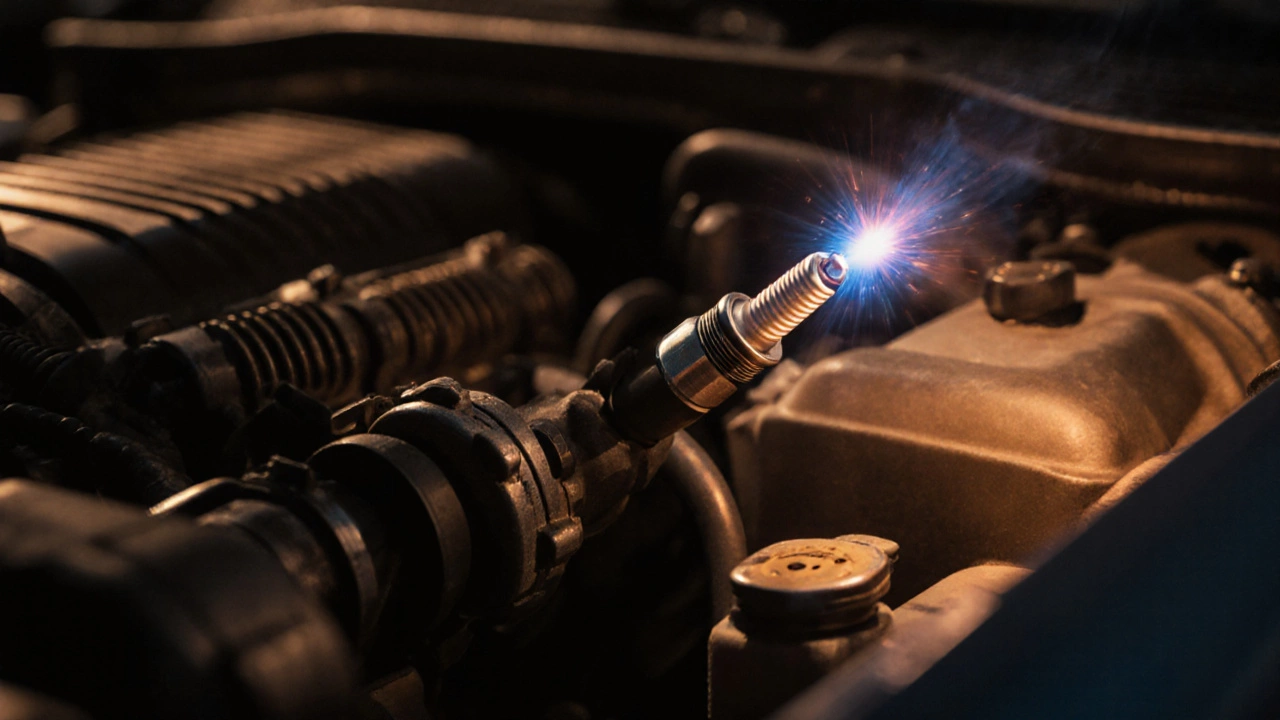
An engine misfire doesn’t happen for no reason. It’s usually tied to three main systems: ignition, fuel, or air. A worn spark plug, the component that creates the spark to ignite fuel in the cylinder is one of the most common culprits, especially if your car has over 60,000 miles. If your spark plugs are old or fouled, the fire just won’t jump right. Then there’s the fuel pump, the part that pushes gasoline from the tank to the engine. A weak or failing fuel pump won’t deliver enough pressure, and that means not enough fuel reaches the cylinders. And don’t overlook the air filter, a simple component that keeps dirt out of the engine’s intake. A clogged air filter restricts airflow, throwing off the fuel-air mix and causing misfires.
These problems don’t show up overnight. You’ll notice symptoms before the engine fully fails. A rough idle, hesitation when accelerating, or a sudden drop in fuel economy are all red flags. Sometimes you’ll hear a popping sound from the exhaust, or the check engine light will flash. If your car’s been running poorly and you’ve skipped oil changes or ignored warning signs, it’s not magic—it’s mechanics. The good news? Many misfires are fixed with simple, cheap fixes: new spark plugs, a clean air filter, or checking for vacuum leaks. You don’t always need a new engine or a big repair bill.
The posts below cover exactly what you need to diagnose and fix this problem. You’ll find real-world guides on checking spark plugs, spotting fuel pump failure, recognizing bad air filter symptoms, and understanding how ignition issues connect to engine performance. No theory. No fluff. Just what works on UK roads.