DIY Car Repairs: Save Money and Learn Your Car Inside Out
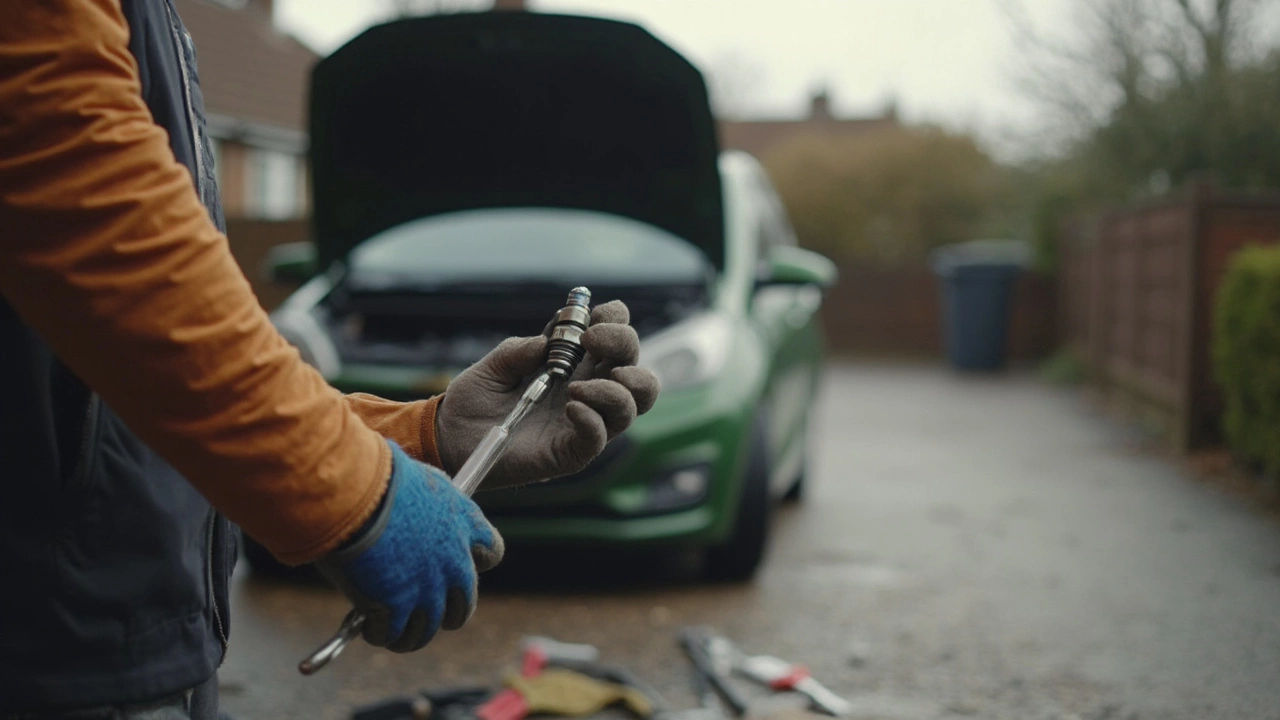
When you start doing DIY car repairs, hands-on maintenance tasks performed by the vehicle owner without professional help. Also known as home car maintenance, it’s not about being a mechanic—it’s about knowing enough to fix what matters before it breaks. Most people think car repairs mean big bills and long waits at the garage. But if you’ve ever changed a tire, topped up oil, or replaced a fuse, you’re already halfway there. The real savings come when you tackle bigger jobs like brake pad replacement, swapping worn brake pads to restore stopping power and prevent rotor damage, or spark plug change, replacing ignition components that directly affect fuel efficiency and engine smoothness. These aren’t just fixes—they’re investments in your car’s health and your wallet.
Every year, UK drivers spend thousands on services that could’ve been done in an afternoon with basic tools. A radiator maintenance, keeping the cooling system clean and leak-free to avoid engine overheating check takes 20 minutes. A suspension repair, fixing worn struts or shocks that cause uneven tire wear and poor handling isn’t as scary as it sounds if you know the signs. You don’t need a garage or a lift. A jack, a torque wrench, and a little patience are all you need. And the best part? You’ll know exactly what’s going on under your hood. No more guessing why your car’s shaking or why the AC isn’t cold. You’ll spot the problem before it becomes a breakdown.
There’s a reason so many posts here focus on DIY car repairs. It’s not because mechanics are unnecessary—it’s because you can handle more than you think. Whether you’re checking brake pad thickness, replacing an AC filter, or diagnosing a failing fuel pump, these are skills that pay for themselves. You’ll avoid overpriced diagnostics, unnecessary replacements, and the stress of being stranded. The tools are cheap. The guides are clear. And the confidence? Priceless.
Below, you’ll find real, step-by-step guides from drivers who’ve been there—no fluff, no jargon, just what works. From spotting bad struts to knowing when your radiator’s about to give out, these posts show you how to fix it yourself. No theory. No hype. Just actionable steps you can use this weekend.