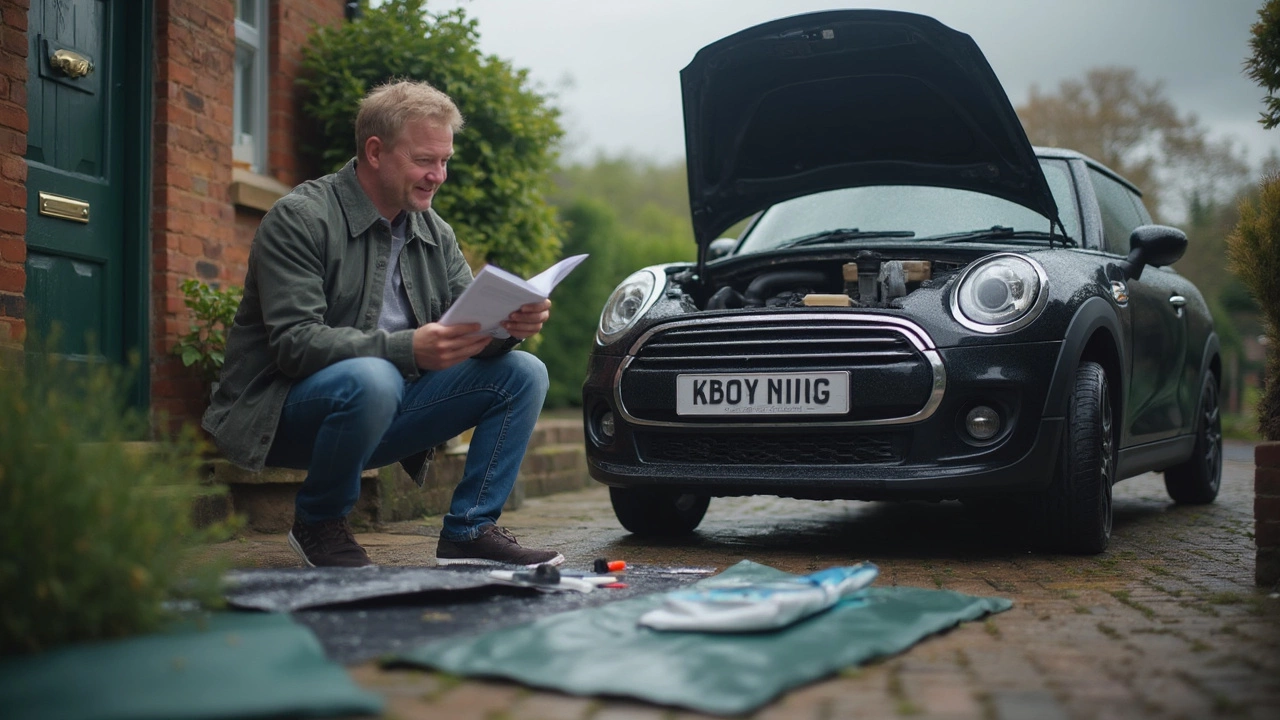
Coolant Spill: What It Means and How to Fix It Fast
When you see a coolant spill, a bright green, orange, or pink fluid leaking under your car. Also known as antifreeze, it’s the lifeblood of your engine’s cooling system. This isn’t just a puddle you can ignore—it’s your car screaming for help. Coolant keeps your engine from turning into a melted mess, and if it’s leaking, you’re one short drive away from a seized engine.
A coolant spill usually comes from one of three places: a cracked hose, a failing radiator, or a worn-out water pump. You might notice it after parking, or see steam rising from under the hood. Sometimes it’s not even a big leak—just a slow drip that turns into a $2,000 repair if you wait too long. The radiator, the main heat exchanger that cools engine fluid is often the culprit, especially in older cars. A damaged radiator cap, the seal that maintains pressure in the cooling system can also cause coolant to escape, even if the rest of the system looks fine.
Ignoring a coolant leak doesn’t make it go away. It just makes your engine hotter, your repair bill bigger, and your chances of getting stranded higher. You don’t need a mechanic to spot the problem—just open your hood, check the hoses for cracks, look for sticky residue near the radiator, and check the coolant level in the reservoir. If it’s low and you haven’t topped it up, you’ve got a leak. Some leaks only show up when the engine is hot, so don’t just check it cold. And never open the radiator cap when the engine is hot—that’s how you get burned.
Fixing a coolant spill doesn’t always mean replacing the whole system. Sometimes it’s just a loose clamp or a cracked hose you can swap yourself for under £20. Other times, it’s the radiator or water pump—both common failures in UK cars after 80,000 miles. Either way, acting fast saves you from engine damage that costs thousands. The posts below cover exactly how to spot these leaks, what tools you need, which parts fail most often, and how to avoid making the same mistake twice. You’ll find real fixes for real problems—not theory, not guesswork.