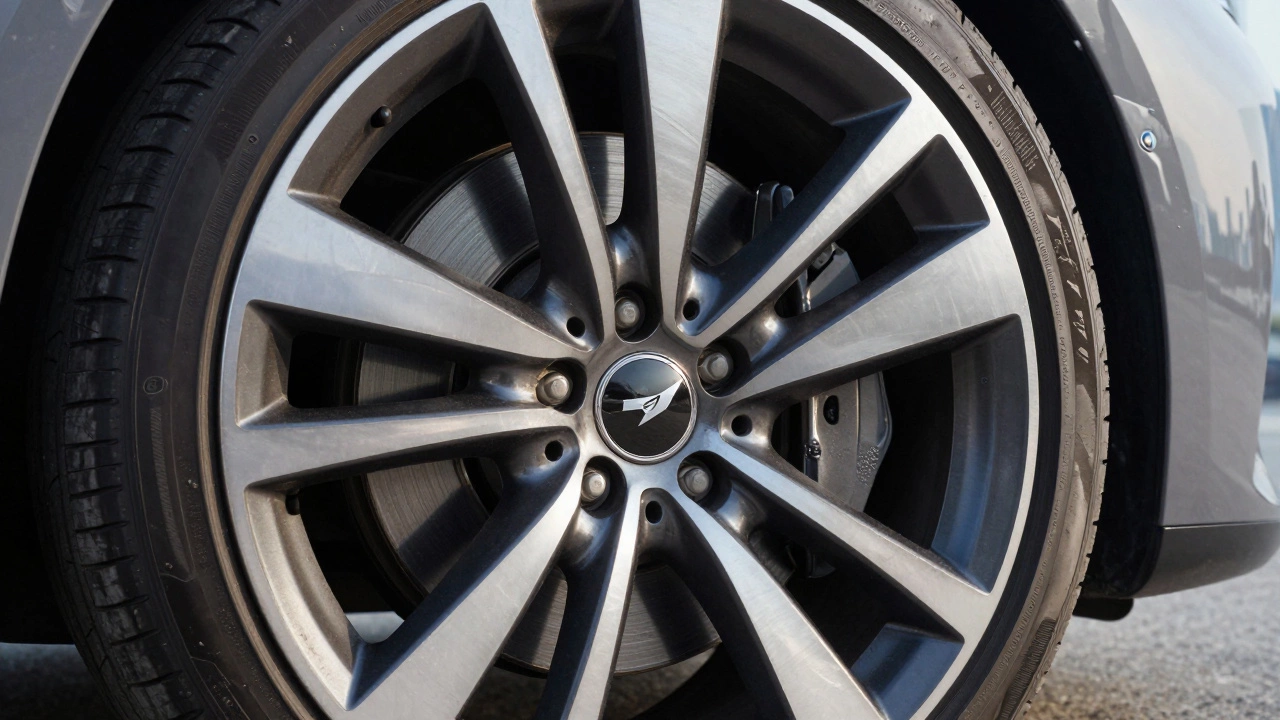
Car Wheels: What You Need to Know About Size, Wear, and Replacement
When you think about your car’s performance, you probably focus on the engine or brakes—but the car wheels, the circular components that connect your vehicle to the road, including rims and tires. Also known as wheels and tires, they’re the only part of your car that actually touches the road. Without proper wheels, even the best engine won’t get you far. They handle everything: stopping, turning, absorbing bumps, and keeping you stable in rain or snow. And they’re not just one part—they’re a system. The rim holds the tire, the tire grips the road, and together they affect fuel use, handling, and safety.
Car wheels come in different sizes, and putting on the wrong ones can mess with your speedometer, suspension, and even your brakes. Most UK cars use 15- to 18-inch wheels, but performance models might go bigger. If you’ve swapped wheels for style or winter tires, you need to check if they match your car’s specs. Mismatched wheels can cause uneven tire wear, which means you’ll need replacements sooner. And speaking of wear—tread depth matters. If it’s below 3mm, your grip drops fast, especially in wet conditions. The legal minimum is 1.6mm, but that’s like driving on ice. Most experts say replace tires before they hit that mark.
Wheel alignment and balance are just as important. If your car pulls to one side or the steering wheel vibrates at highway speeds, it’s not just the road—it’s your wheels. Poor alignment eats through tire edges, and unbalanced wheels cause shaking that can damage suspension parts over time. You don’t need to replace wheels every time you get new tires, but if the rim is bent, cracked, or corroded, it’s time. A bent rim won’t hold air properly and can lead to blowouts. And don’t forget the spare. A flat tire is bad enough; a flat spare that’s dry-rotted or underinflated is worse.
What you’ll find below are real-world guides on how to spot failing wheels, when to replace them, how size affects performance, and what to check during routine maintenance. These aren’t theory pieces—they’re from drivers who’ve been there. Whether you’re dealing with uneven tread, a wobbly steering wheel, or just wondering if those new alloy rims are worth it, the posts here give you straight answers without the fluff.