Car Suspension: Signs of Failure, Common Parts, and How It Affects Your Ride
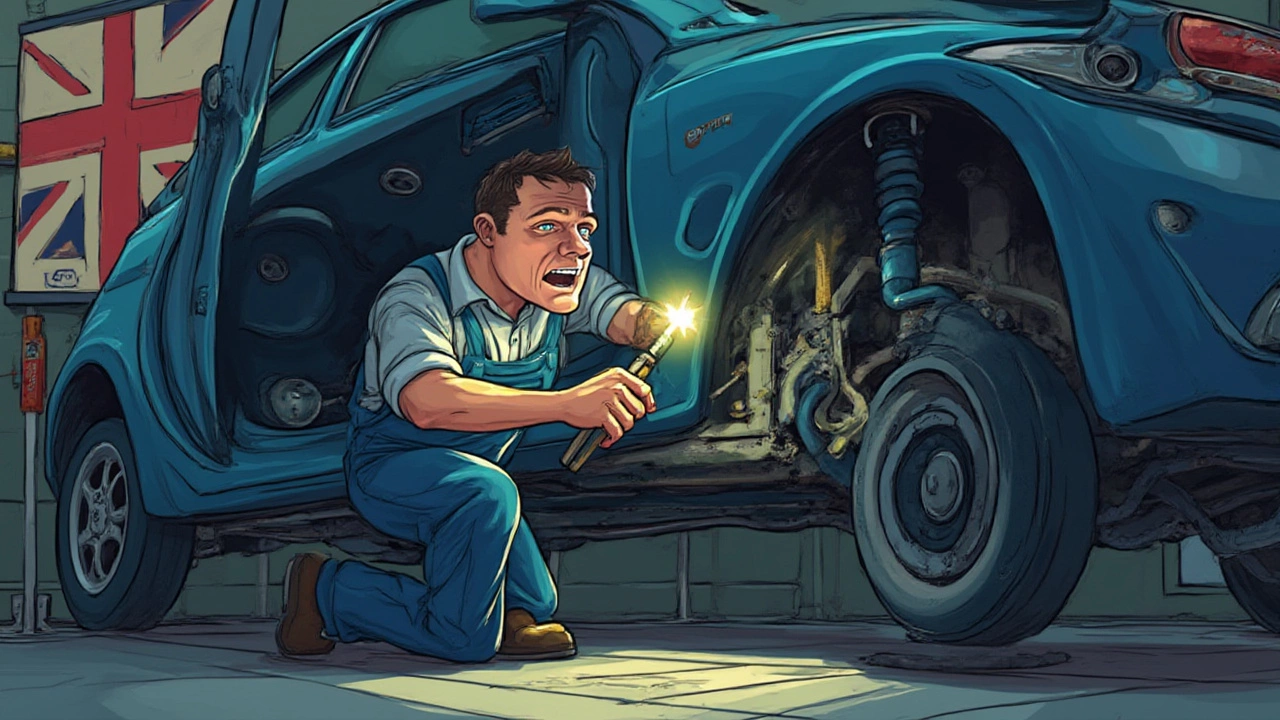
When your car suspension, the system that connects your wheels to the chassis and absorbs road shocks. Also known as vehicle suspension, it’s not just about comfort—it’s safety. If it’s worn out, your brakes take longer, your tires wear unevenly, and you lose control on bumps. A broken suspension doesn’t scream for help—it whispers. A slight bounce when you hit a pothole. A clunk when turning. A steering wheel that feels loose. These aren’t normal. They’re warnings.
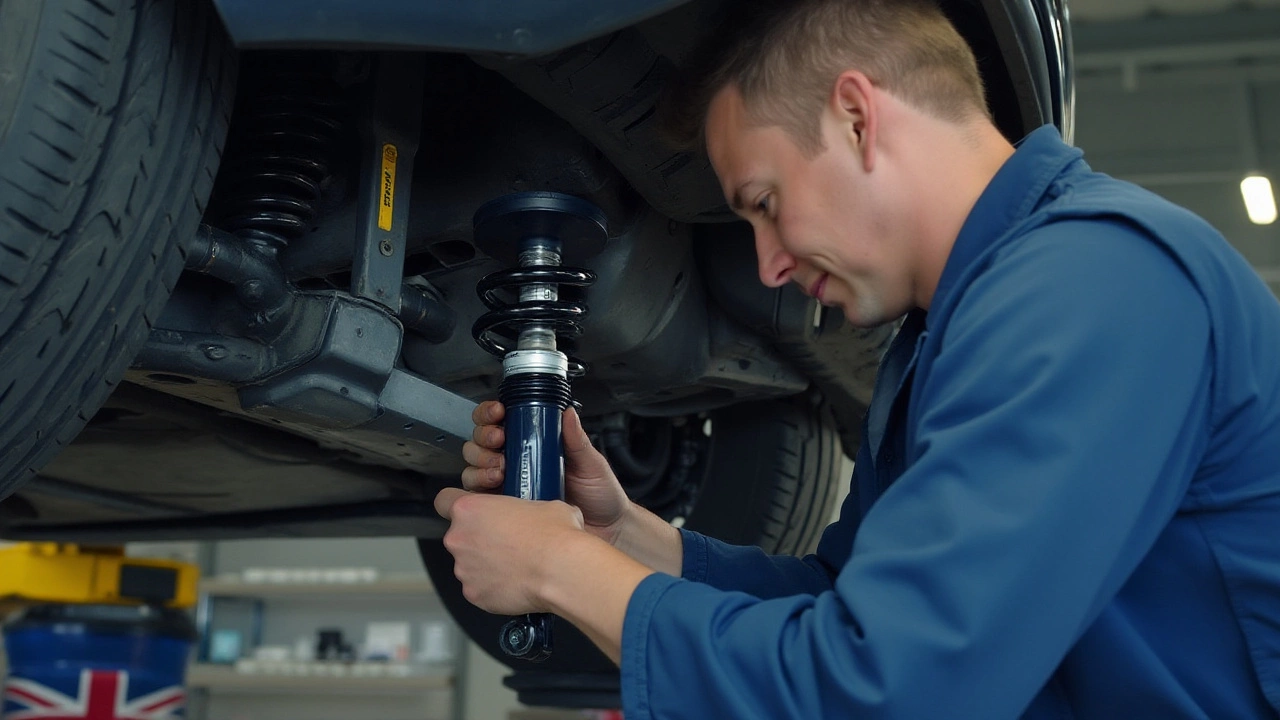
Most people think suspension means shocks or struts, but it’s more than that. It includes control arms, the metal links that hold the wheels in position and allow them to move up and down. If one bends from hitting a curb hard, your alignment goes off, your tires cup, and your steering pulls to one side. Then there’s ball joints, the pivot points that let your wheels turn and move with the road. When they wear out, you hear clicking noises and feel vibrations through the wheel. And let’s not forget struts, the combined shock absorber and structural support that holds up your car’s weight. Bad struts make your car bounce like a trampoline over speed bumps. They’re one of the most common failure points—and one of the most dangerous to ignore.
Here’s the thing: suspension problems don’t just hurt your ride. They hurt your engine. When your wheels aren’t tracking properly, your drivetrain takes extra stress. Your tires scrub sideways, forcing your engine to work harder to keep moving. That’s why a worn suspension can lead to premature clutch wear, transmission strain, and even overheating. It’s all connected.
You don’t need a garage to spot trouble. Try the bounce test: push down hard on one corner of your car and let go. If it bounces more than once, your shocks or struts are done. Look for oil leaks around the shock body—that’s a dead giveaway. Check your tires: if the inner or outer edges are bald while the middle is fine, your suspension is out of alignment. Listen for knocking sounds when you go over bumps. Those aren’t just noises—they’re the sound of parts wearing out.
Most UK drivers replace suspension parts between 50,000 and 80,000 miles, but bad roads, heavy loads, and aggressive driving cut that in half. If you drive on rural roads with potholes or haul gear regularly, check your suspension every 20,000 miles. Don’t wait for it to fail. A bent control arm or worn bushing might not stop you right away, but it’ll cost you more in tire replacements, brake repairs, and worse—accidents.
Below, you’ll find real guides from drivers who’ve been there. Learn how to spot a bent suspension before it wrecks your alignment. See the exact signs of bad struts that mean it’s time to replace them. Understand how suspension issues can sneak into your engine’s health. These aren’t theory posts—they’re fixes people used to avoid being stranded or paying thousands in extra damage.