Car Radiator Replacement: Signs, Costs, and What You Need to Know
When your car radiator, the main component that cools engine coolant by transferring heat to the air. Also known as engine radiator, it's the unsung hero keeping your engine from turning into a melted mess. A failed radiator doesn’t just make your car run hot—it can wreck your engine in minutes. If you’ve noticed steam coming from under the hood, or your temperature gauge is climbing even on a cool drive, your radiator might be done.
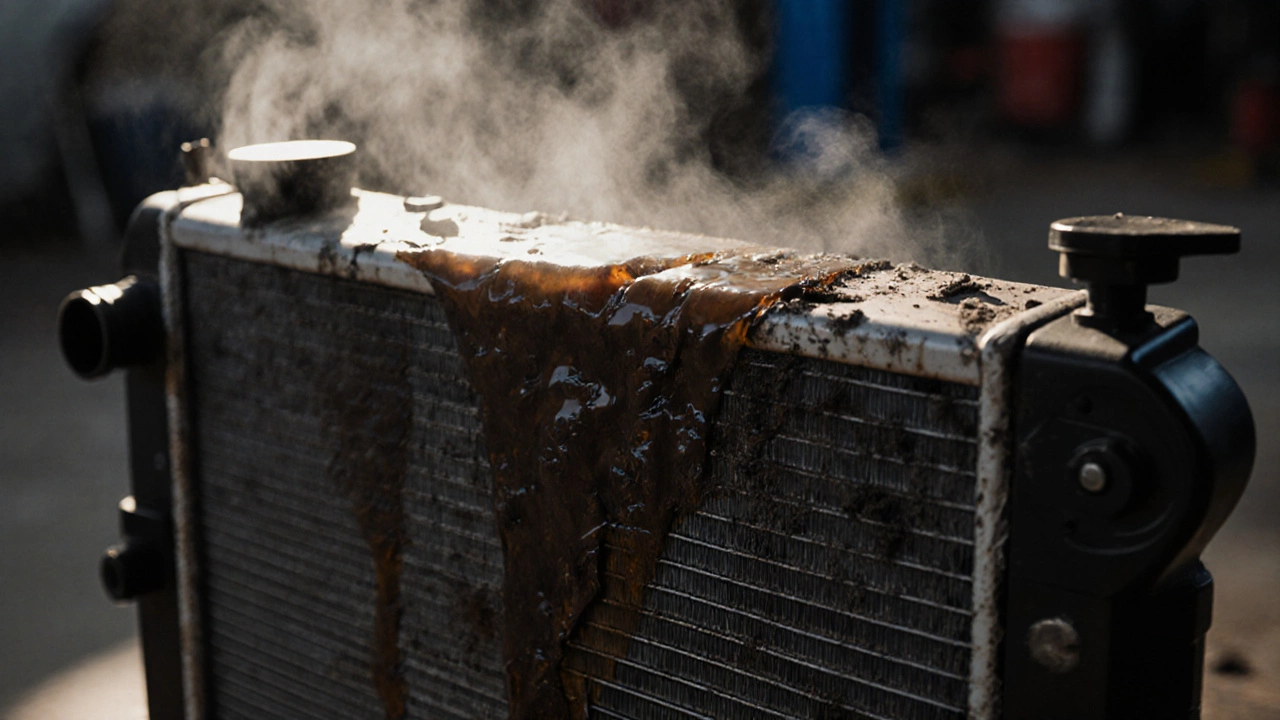
Most people don’t realize how closely the cooling system, the network of hoses, thermostat, water pump, and radiator that circulates coolant to regulate engine temperature works as a team. A leak in a hose, a clogged radiator, or a failing water pump can all mimic radiator failure. But if the radiator itself is cracked, corroded, or clogged with rust, no other fix will last. In the UK, where winter damp and salt on roads speed up corrosion, radiators often need replacing between 80,000 and 120,000 miles—sometimes sooner if you’ve had a minor front-end collision or ignored coolant changes.
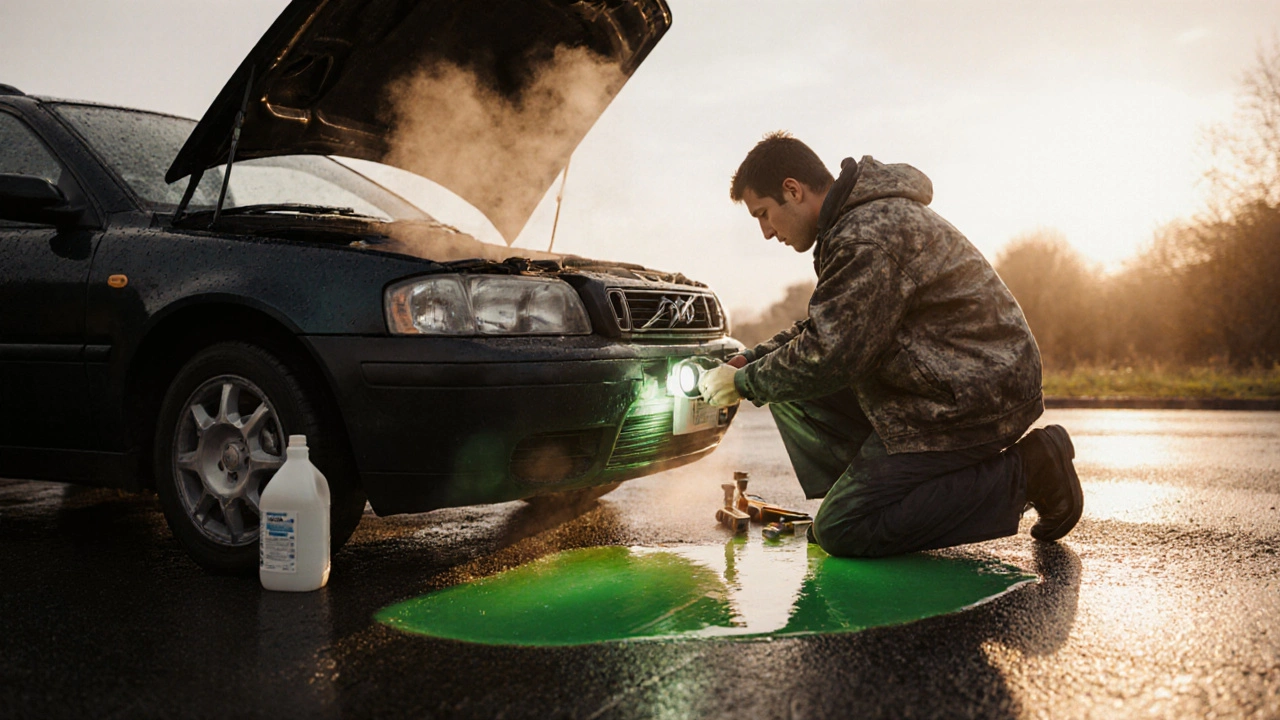
You don’t need to be a mechanic to spot trouble. Look for puddles of green, orange, or pink fluid under your car—that’s coolant, the liquid that flows through the engine and radiator to absorb and release heat. Smell a sweet, syrupy odor while driving? That’s coolant burning off. Your AC might also start blowing warm air, because the radiator helps cool the condenser in some setups. And if your heater stops working, it’s often because coolant isn’t circulating properly—another red flag.
Replacing a radiator isn’t always expensive, but it’s not a cheap fix either. In the UK, you’re looking at £200 to £500 for parts and labor, depending on your car model. But if you wait too long, you could be facing a £2,000 engine rebuild. Many of the posts below show how people caught the problem early by checking coolant levels, listening for gurgling sounds, or noticing how long it took the engine to warm up. One driver replaced his radiator after his car overheated on the M25—turns out, the plastic tanks had cracked from age. Another found a slow leak during a routine service and fixed it before the engine seized.
What you’ll find here are real stories from UK drivers who’ve been there. From DIY tips on draining coolant safely, to knowing when to walk away from a repair shop’s overpriced quote, these posts cut through the noise. You’ll see how a bad radiator affects your AC, why some people mistake it for a thermostat issue, and how to tell if your radiator is worth fixing—or if it’s time to look at a used one from auction. No theory. No fluff. Just what works when your car’s cooling system is on the edge.