Car Radiator AC: Common Issues, Signs of Failure, and What to Do
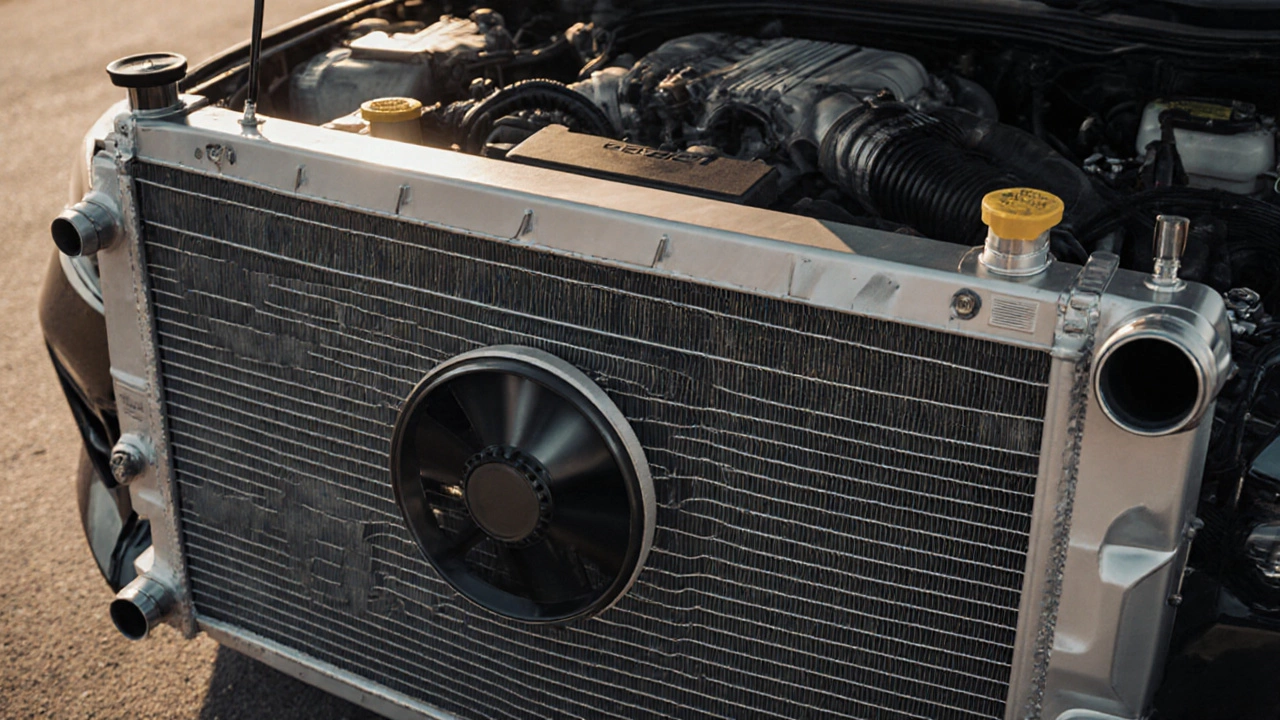
When your car’s car radiator, a key part of the engine cooling system that prevents overheating by circulating coolant. Also known as engine radiator, it works hand-in-hand with the AC system, the air conditioning unit that cools the cabin using refrigerant and a condenser, often sharing airflow and cooling resources with the radiator. If the radiator is clogged, leaking, or failing, the AC won’t cool properly—even if the compressor and refrigerant are fine. That’s because both systems rely on the same front-end airflow and cooling capacity. A hot engine overheats the AC condenser, making it harder to remove heat from the cabin. You might think it’s just the AC, but the real culprit could be the radiator.
Most people don’t realize how closely linked these systems are. The radiator pulls heat away from the engine, while the AC condenser (usually mounted right in front of it) pulls heat out of the cabin. If one is blocked by debris, bent fins, or low coolant, the other suffers. Signs you’ve got a radiator problem affecting your AC? The cabin stays warm even when the AC is on full blast, the engine temperature gauge creeps up during city driving, or you notice a sweet, syrupy smell under the hood. These aren’t separate issues—they’re symptoms of one failing component. A cracked radiator hose, a failing water pump, or even a bad thermostat can cause the same chain reaction: engine overheats → AC condenser gets too hot → cabin stays muggy.
And it’s not just about comfort. If your radiator fails completely, your engine can seize. That’s not a repair—it’s a total loss. Many UK drivers wait too long because they think "the AC is just not cold," not realizing it’s the radiator’s fault. Check your coolant level monthly. Look for green or orange stains under the car. Listen for gurgling sounds after turning off the engine. These are early warnings. You don’t need to be a mechanic to spot them. A quick visual check and a little knowledge can save you thousands.
The posts below cover exactly what you need to know: how long a radiator lasts, what causes it to fail, how to tell if your AC filter is clogged, and why a bad radiator can make your car run rough even if the engine seems fine. You’ll find real-world fixes, common mistakes drivers make, and how to avoid being stranded in summer heat. Whether you’re checking your own car or shopping for parts at auction, understanding how the radiator and AC work together means you won’t waste money on the wrong repair.