Car Maintenance UK: Essential Tips and Common Fixes for UK Drivers
When it comes to keeping your car running in the UK, car maintenance UK, regular checks and timely repairs that prevent breakdowns and extend vehicle life. It’s not about fancy tools or expensive visits—it’s about knowing what to look for, when to act, and how to avoid costly mistakes. Whether you’re driving a 5-year-old hatchback or a 15-year-old estate, skipping basic care can turn a small issue into a £2,000 repair. And with UK weather turning roads into ice traps in winter and heatwaves baking engines in summer, staying on top of maintenance isn’t optional—it’s survival.
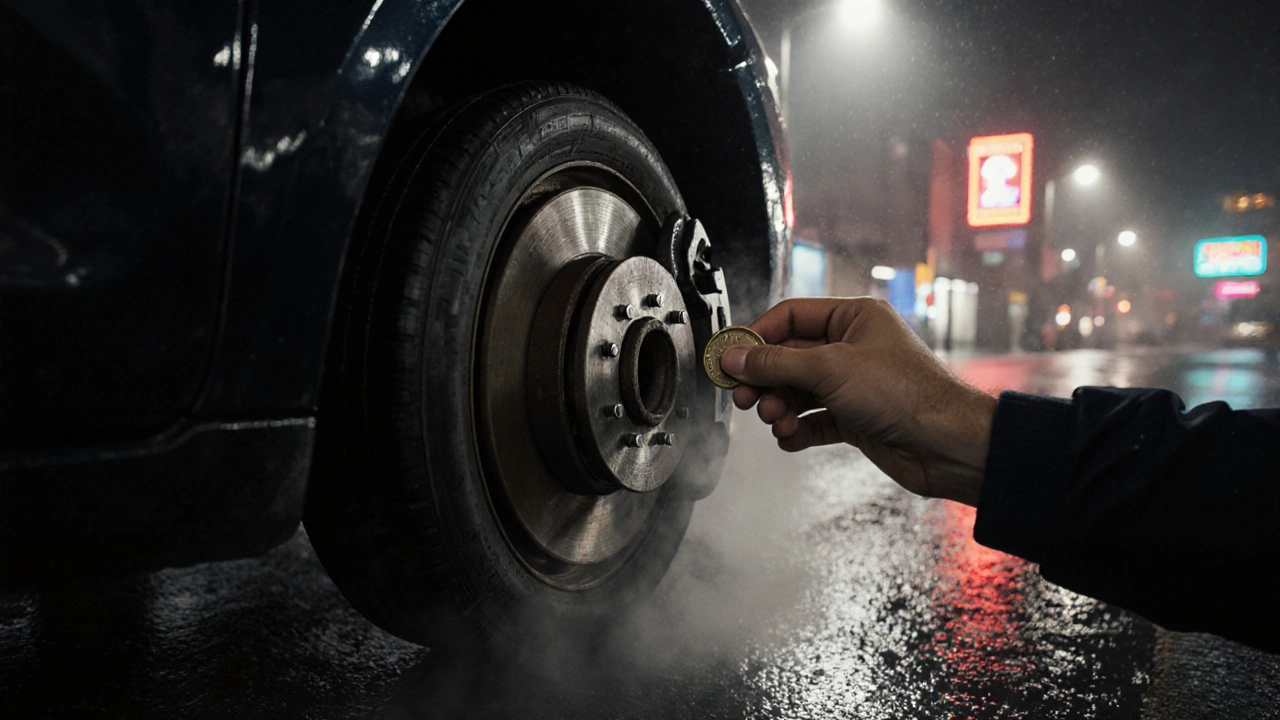
One of the most overlooked areas is the brake pads, critical components that slow your car and wear down over time. brake pad wear doesn’t always come with a warning light. You’ll hear it—a high-pitched squeal—or feel it—vibration when you brake. Ignoring it doesn’t just risk your safety; it can destroy your rotors, doubling your repair bill. Then there’s the radiator, the heart of your engine’s cooling system. Most last 8 to 15 years, but if you’re topping up coolant every few weeks, you’re already in trouble. A leaking or clogged radiator can cook your engine in minutes, especially during long motorway drives. And don’t forget the spark plugs, tiny parts that ignite fuel in your engine. If your car’s sputtering, idling rough, or guzzling fuel, old spark plugs could be the culprit. Replacing them after 60,000 miles isn’t a luxury—it’s a reset button for performance. Suspension issues like worn struts or bent control arms don’t just make your ride bumpy. They affect braking distance, tire wear, and even how your engine runs. If your car feels loose or pulls to one side, it’s not just alignment—it’s a safety issue.
You’ll find real, no-nonsense guides below on exactly how to check your brake pads, spot a failing fuel pump, choose the right AC filter, and tell if your radiator’s about to quit. No theory. No fluff. Just what works for UK drivers dealing with wet roads, cold winters, and aging cars. These aren’t hypothetical tips—they’re the same checks mechanics use when they’re short on time and need to spot the problem fast. Whether you’re doing a quick DIY fix or just trying to understand what your garage is telling you, this collection gives you the facts you need to drive smarter, not harder.