Brake Rotors: What They Are, How They Wear, and What to Do About It
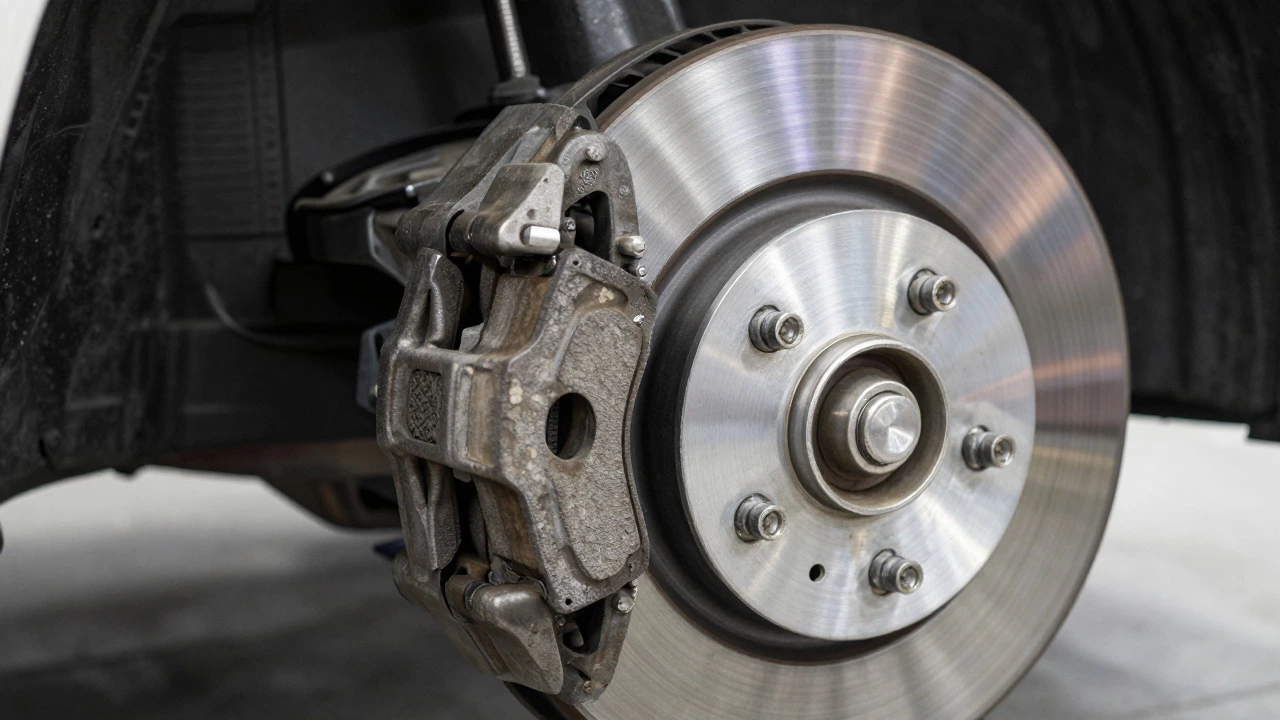
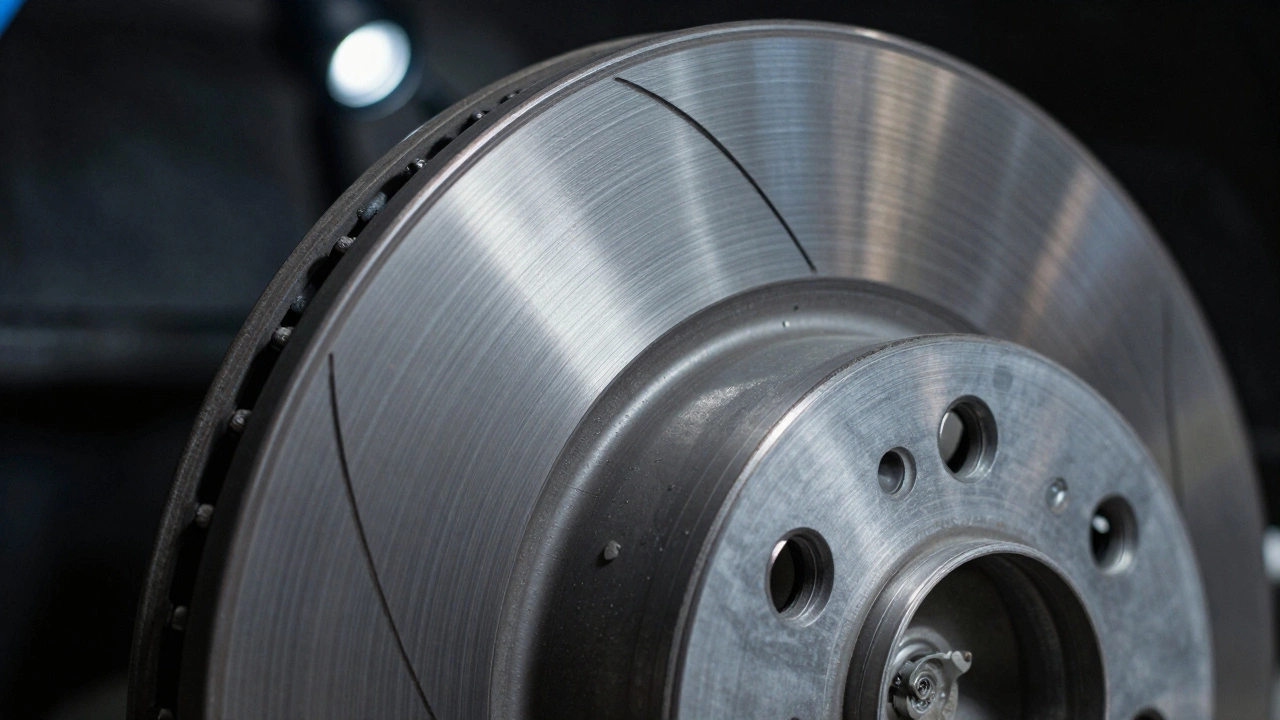
When you press the brake pedal, the brake rotors, flat metal discs attached to your wheels that spin with them. Also known as brake discs, they work with brake pads, rubber-like blocks that clamp down on the rotors to create friction and slow the car to stop your vehicle. Without properly functioning rotors, even the best brake pads won’t do their job. This system is one of the most critical safety features on any car, and it’s not something you can afford to ignore.
Brake rotors don’t last forever. Over time, they wear down from constant friction, get scored by worn brake pads, or warp from overheating—especially during heavy braking in city traffic or hilly areas. A rotor that’s too thin or uneven can cause vibrations, squealing, or longer stopping distances. You might not notice the rotor itself is failing, but you’ll feel it in the pedal or hear it in the noise. Many drivers replace brake pads without checking the rotors, only to find the new pads wear out fast because the rotors are damaged. It’s a common mistake that costs more in the long run.
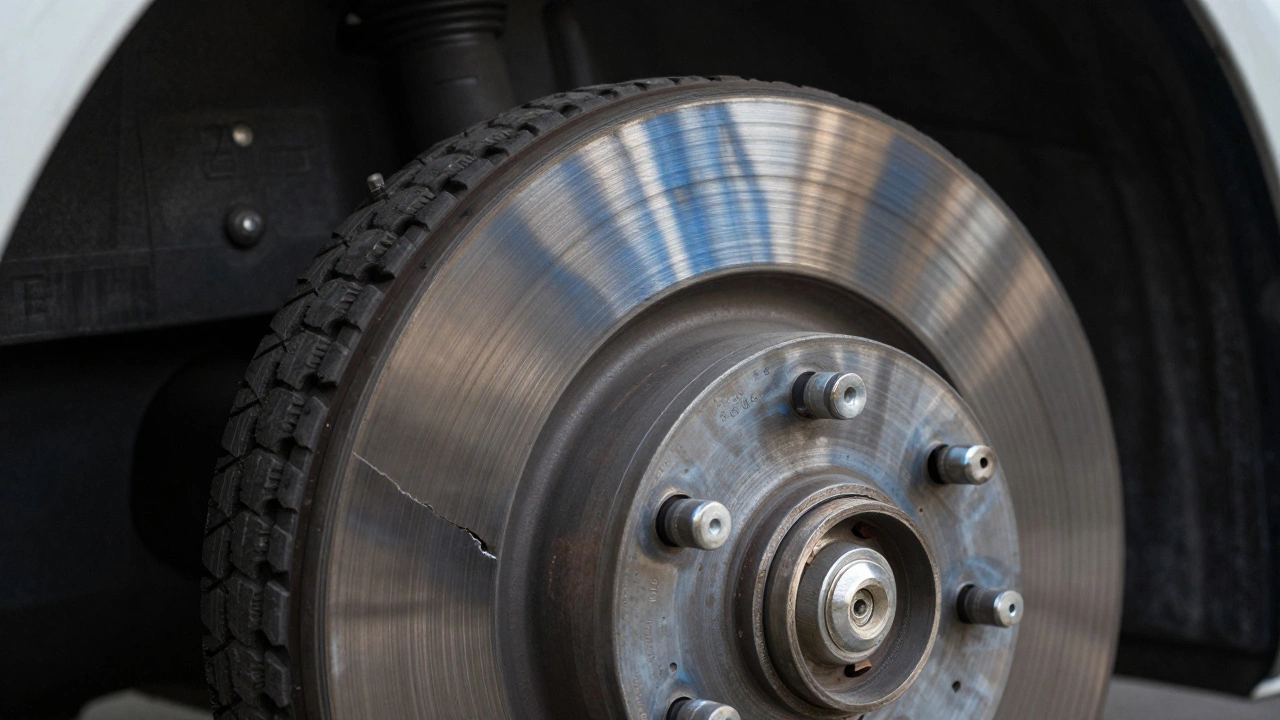
UK drivers face unique challenges: wet roads, frequent stop-and-go traffic, and colder temperatures that affect braking performance. That’s why brake systems need regular checks. A rotor should be at least 1.5mm thick—any less and it’s unsafe. You can spot warping by feeling a pulsing sensation when braking, or see visible grooves and bluing on the surface. Some rotors can be resurfaced, but if they’re too worn or cracked, replacement is the only safe option. And if you’re replacing rotors, always replace the brake pads at the same time. Mixing old pads with new rotors creates uneven contact and reduces stopping power.
You don’t need to be a mechanic to understand your brake system. Knowing the signs of wear, how often to check your rotors, and what tools or parts you might need can save you money and keep you safe. Below, you’ll find real-world guides from UK drivers who’ve dealt with worn brake pads, noisy brakes, DIY replacements, and what happens when you delay repairs. These posts don’t just explain theory—they show you exactly what to look for, when to act, and how to avoid costly mistakes.