Brake Pad Life: How Long They Last and When to Replace Them
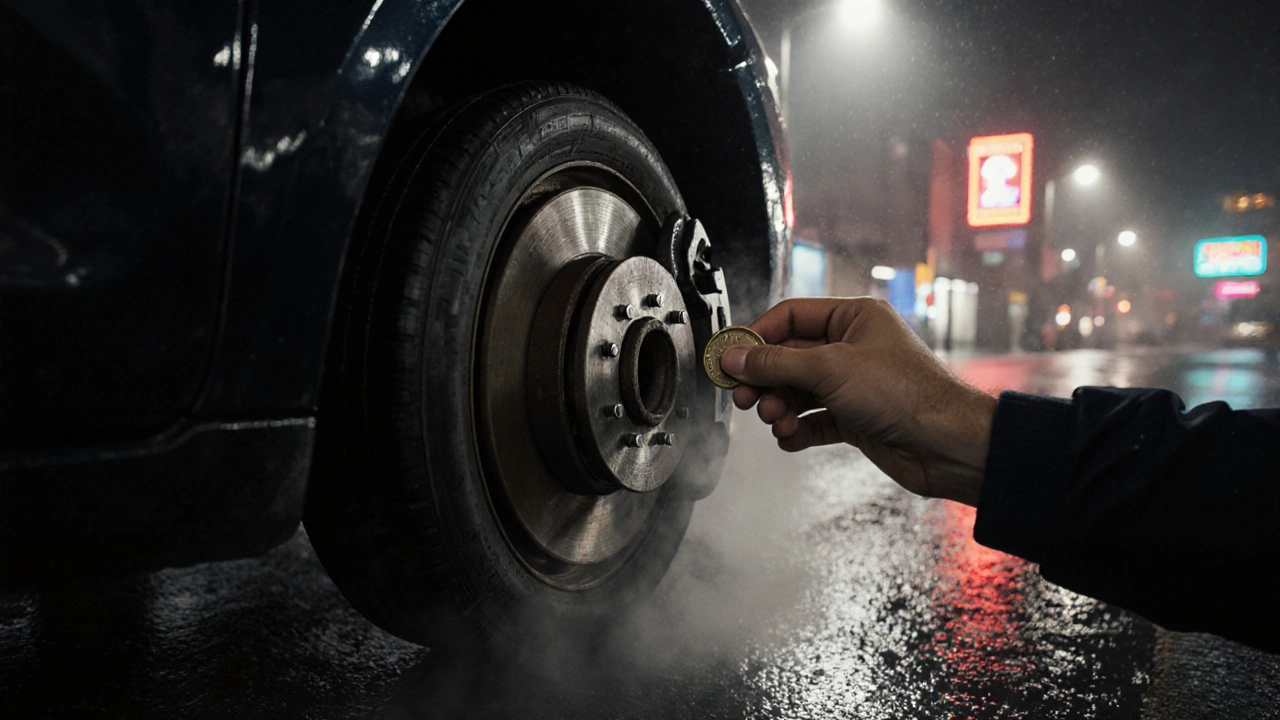
When you press the brake pedal, brake pads, rubbing components that clamp down on the rotor to stop your car. Also known as brake friction material, they’re one of the most critical safety parts in your vehicle—yet most drivers ignore them until they start screeching. Most brake pads last between 25,000 and 70,000 miles, but that number isn’t fixed. Aggressive driving, heavy braking in city traffic, and low-quality pads can slash that lifespan in half. On the flip side, gentle driving on highways and regular inspections can stretch them past 80,000 miles.
Brake pad life doesn’t happen in a vacuum. It’s tied to other parts you might not think about. rotors, the metal discs the pads clamp onto wear down too, and if they’re warped or scored, they’ll eat through new pads fast. Then there’s brake fluid, the hydraulic fluid that transfers force from your pedal to the pads. Old, contaminated fluid doesn’t transfer pressure well, making the pads work harder and overheat. And let’s not forget calipers, the clamps that hold the pads. If one sticks, it keeps pressure on the pad even when you’re not braking—wearing it out unevenly and dangerously.
You don’t need a mechanic to spot trouble. Listen for high-pitched squeals—that’s the wear indicator rubbing. Feel for vibrations in the pedal or steering wheel. Notice if your car pulls to one side when braking. These aren’t just annoyances—they’re warnings that your pads are worn thin or something else is failing. Replacing them early saves money. Waiting until you hear grinding means you’ve already damaged the rotors, and those cost three times as much to replace.
The posts below give you real, no-fluff ways to check your brake pads yourself, spot early signs of wear, and decide whether to DIY or call a pro. You’ll find out why some pads last longer than others, what causes that annoying noise, and how to avoid the costly mistake of ignoring small signs until it’s too late. Whether you’re trying to stretch your budget or just want to drive safer, this collection gives you the facts without the jargon.