Brake Maintenance: How to Spot Wear, Extend Life, and Save Money
When it comes to your car’s safety, brake maintenance, the regular inspection and servicing of braking components to ensure safe stopping power. Also known as brake system care, it’s not something you can afford to ignore. A worn brake pad or failing caliper doesn’t just mean a longer stop—it means you could lose control when you need it most. Unlike oil changes or tire rotations, brake issues often don’t show up until it’s too late. That’s why knowing the signs early makes all the difference.
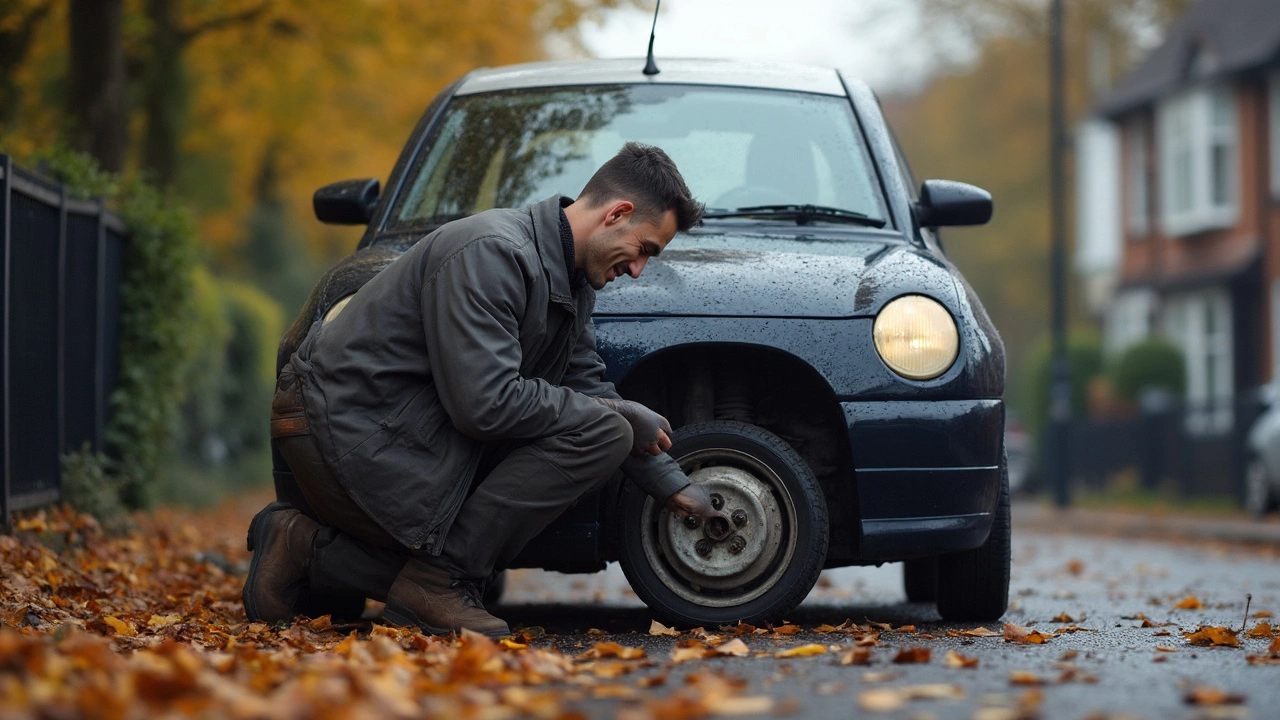
Brake pads, the friction material that presses against the rotor to slow your car. Also known as brake linings, they’re the most common part that wears out. Most UK drivers replace them between 25,000 and 60,000 miles, but aggressive driving, stop-and-go traffic, and wet conditions can cut that in half. You don’t need a mechanic to check them—just look for thinning material (under 3mm is critical), listen for high-pitched squealing, or feel for vibrations when you brake. And don’t confuse pad wear with rotor damage. A warped rotor will make your steering wheel shake, but it’s usually a result of neglected pads.
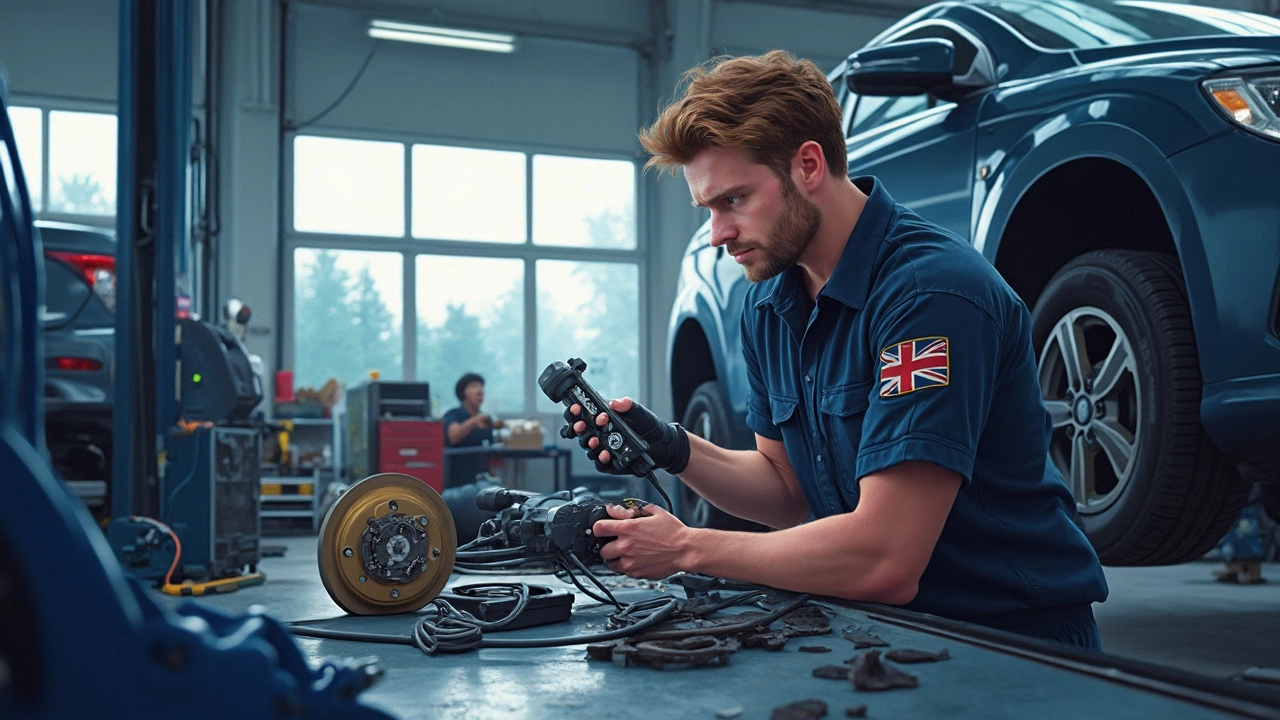
Brake fluid, the hydraulic fluid that transfers force from your pedal to the calipers. Also known as DOT fluid, it absorbs moisture over time, which lowers its boiling point and reduces stopping power. Most people forget to check it, but old fluid can turn your brakes spongy or even cause complete failure. It’s not a DIY job for everyone, but checking the level and color (clear to light amber is good; dark brown means replace soon) takes two minutes. And if you’re replacing pads yourself, remember: you can’t just slap on new ones and drive. Air in the lines? You’ll need to bleed the system.
Brake maintenance isn’t about fixing broken parts—it’s about catching problems before they break. It’s about knowing when your pads are down to 20% life, not 5%. It’s about understanding that a squeak today could mean a £600 rotor replacement tomorrow. The posts below give you exactly what you need: how to visually check pads, what noise means what, how often to replace them in UK conditions, and whether doing it yourself actually saves money. No fluff. No theory. Just clear, real-world steps you can use right now to keep your car stopping safely and your wallet full.