Tires: What You Need to Know About Lifespan, Safety, and Cost
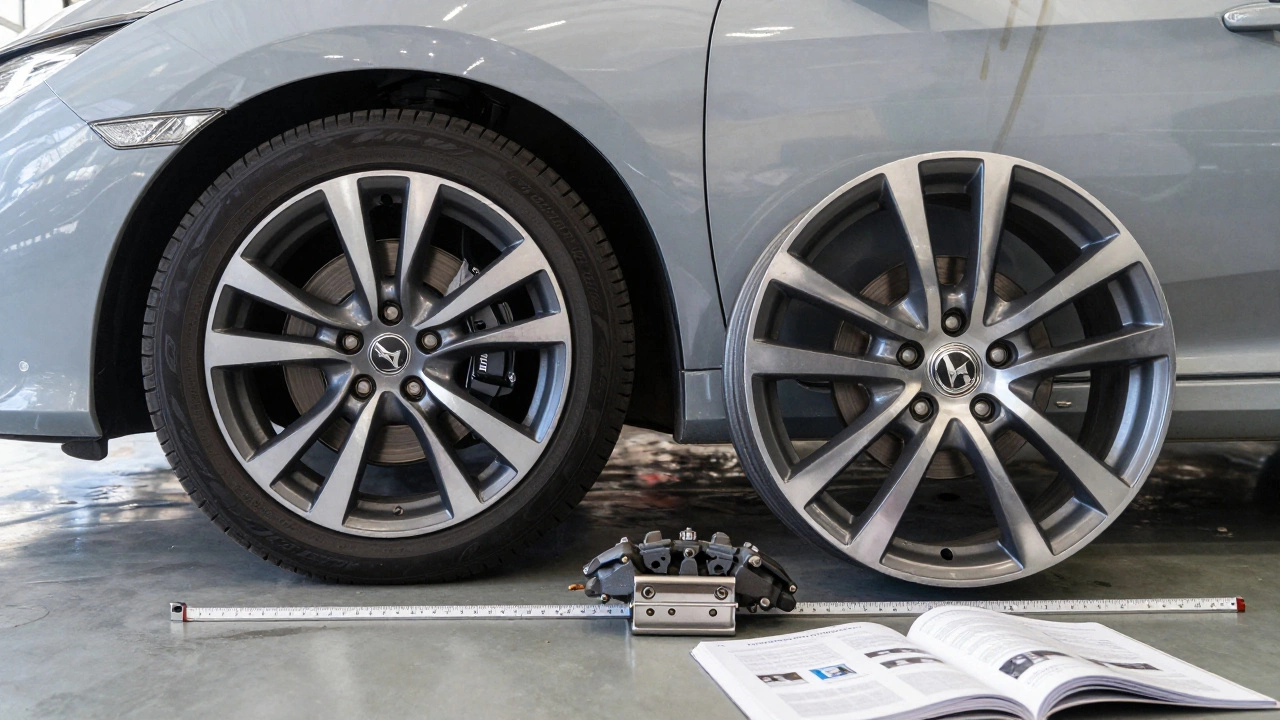
When you drive, your tires, the rubber components that connect your car to the road. Also known as tyres, they’re the only part of your vehicle touching the ground—and they make all the difference in how safely and efficiently you move. A worn or mismatched tire doesn’t just hurt your fuel bill—it can turn a simple turn into a skid, or a rainy night into a nightmare. That’s why understanding tire health isn’t optional. It’s the difference between getting where you need to go and ending up on the side of the road.
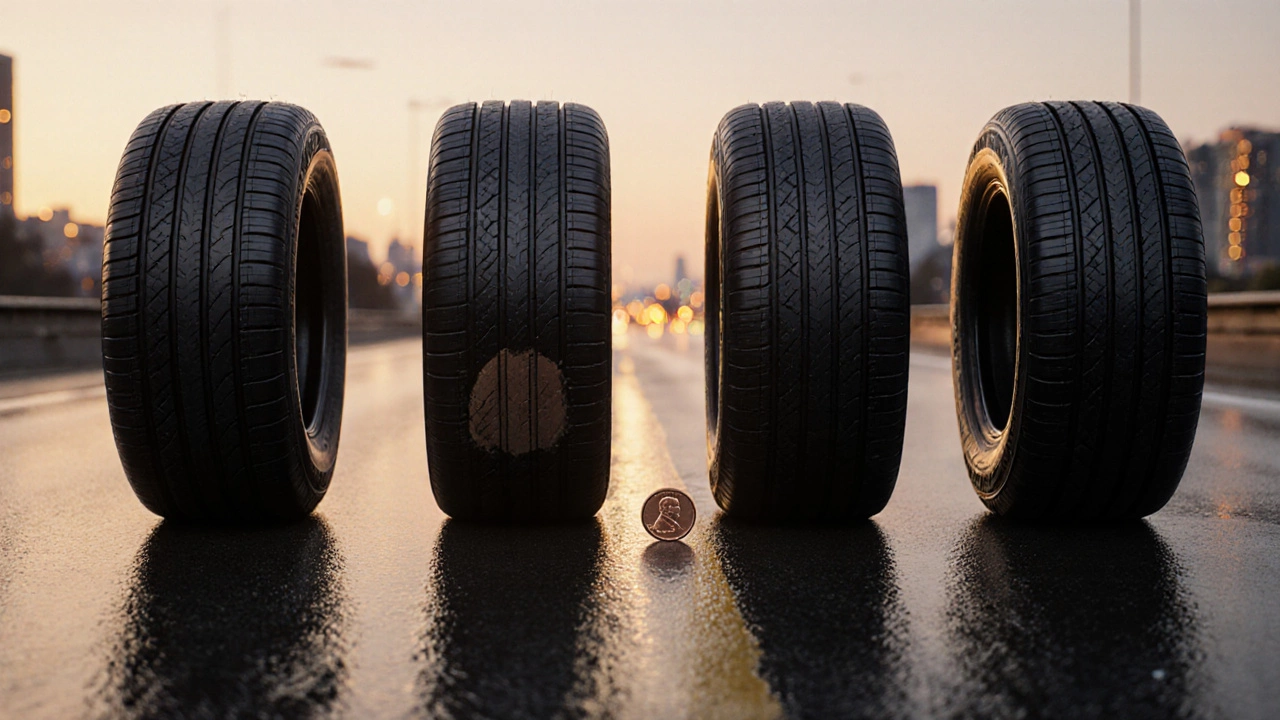
Tire lifespan, how long your tires last before they need replacing usually falls between 40,000 and 60,000 miles, but that’s just a starting point. Driving habits, road conditions, and even how often you check your air pressure can cut that number in half. Then there’s tire safety, the condition that keeps you in control during sudden stops or sharp turns. Cracks, bulges, uneven wear, or tread that’s worn down to the wear bars aren’t just signs—they’re warnings. And when one tire goes bad, you’re left wondering: tire replacement, whether to swap just one or all four? Some shops push full sets, but the real answer depends on your car’s setup, how old the other tires are, and what kind of driving you do.
And then there’s the cost. Tire cost, how much you pay for a full set of four, isn’t just about the price tag. A cheap tire might save you $200 upfront but cost you more in fuel, wear on your suspension, and even accident risk. Premium brands might cost more, but they often last longer, grip better in the rain, and handle more predictably. It’s not about buying the most expensive option—it’s about matching the tire to your car, your driving, and your budget.
Below, you’ll find real-world guides that cut through the noise. No sales pitches. No jargon. Just straight answers on when your tires are done, how to spot trouble before it’s too late, whether you really need to replace all four, which brands actually deliver, and how much you should expect to pay. Whether you’re a weekend driver or someone who puts miles on your car every day, these posts give you the facts you need to stay safe and save money.