Fuel Pumps: Signs, Tests, and Fixes for a Failing Fuel Pump

When your car sputters on the highway or refuses to start after a stop, the problem might not be the battery—it could be your fuel pump, a critical component that delivers gasoline from the tank to the engine under pressure. Also known as a fuel delivery pump, it’s one of the least visible but most essential parts in your vehicle’s fuel system. Without it, your engine won’t get the fuel it needs to run, no matter how good the spark or how clean the injectors are.

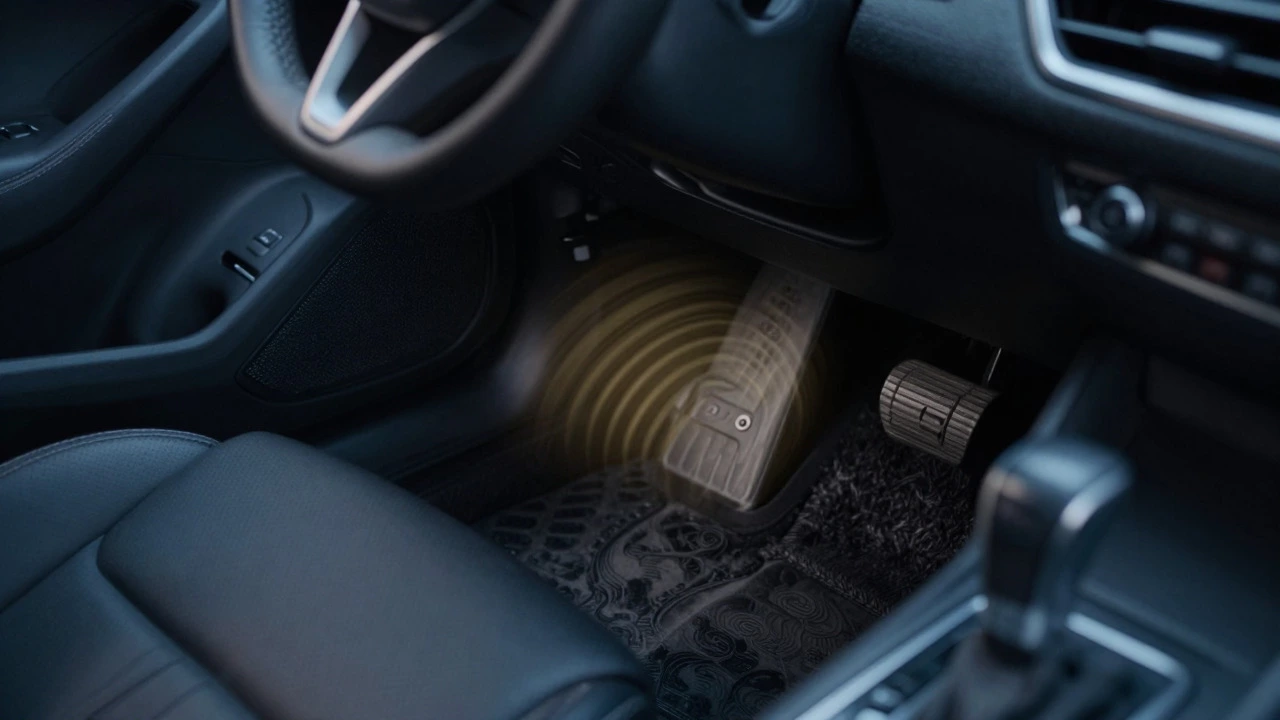
Most people don’t think about the fuel pump until it fails. But the signs start long before the engine dies. You might hear a high-pitched whine from the back of the car when you turn the key—that’s not the radio. Or your car hesitates when accelerating, especially uphill. These aren’t random glitches; they’re the fuel pump struggling to keep up. What causes this? Dirty fuel, running on empty too often, or worn-out electrical connections. A fuel pump doesn’t just wear out—it’s often killed by neglect.

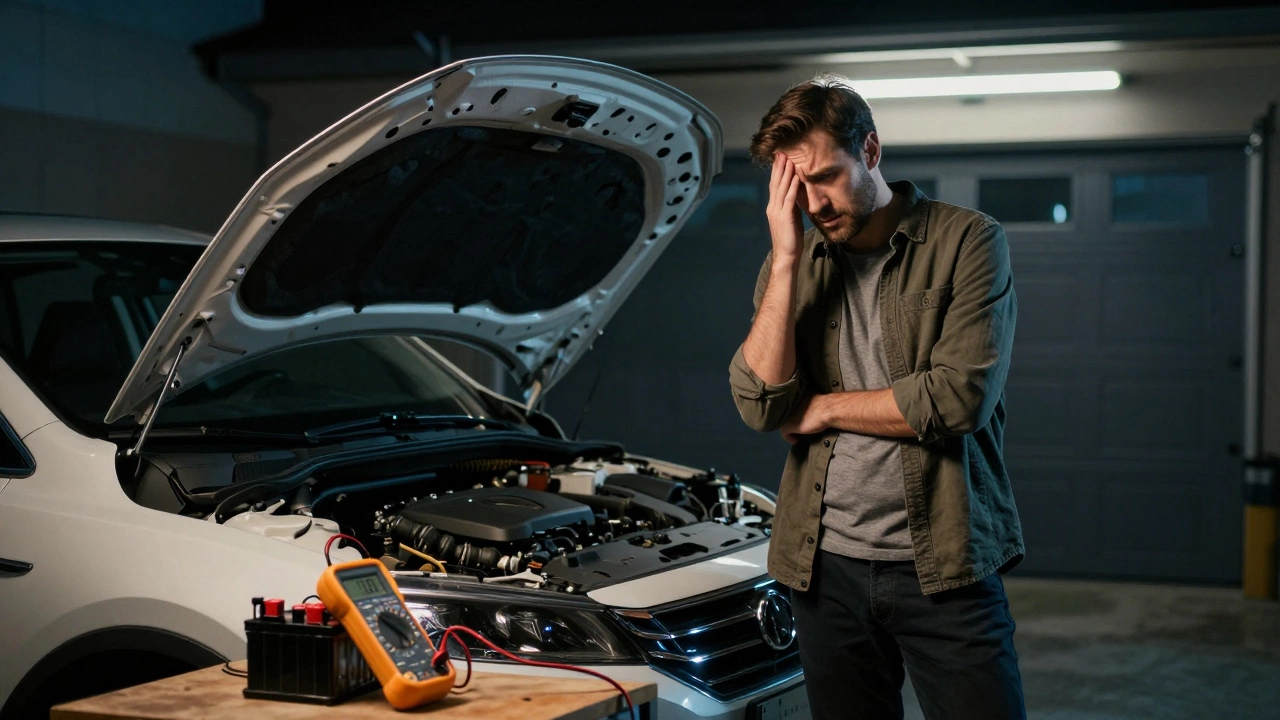
Testing a fuel pump doesn’t require a garage. You can listen for it, check fuel pressure with a simple gauge, or even use a multimeter if you’re comfortable with basic tools. And before you rush to replace it, some issues can be fixed without buying a new part. Cleaning the fuel filter, checking the relay, or clearing debris from the intake screen can bring life back to an old pump. But if you’re hearing loud clicking or the engine won’t fire at all, replacement is likely your only option.

And yes—you can drive with a bad fuel pump, but you shouldn’t. It’s like driving with a leaky fuel line: you might make it to the next gas station, but you’re risking engine damage, sudden stalls on busy roads, or even fire hazards. Knowing the difference between a noisy pump and a dying one saves money and keeps you safe.

Below, you’ll find real, practical advice from people who’ve been there: how to test your pump without tools, what sounds mean trouble, why disconnecting the battery matters during replacement, and whether you can fix it yourself—or if it’s time to call a pro. No theory. No fluff. Just what works.
30
Oct
How Do I Know I Need a New Fuel Pump? 7 Clear Signs Your Car’s Fuel System Is Failing
Fuel Pumps

How Do I Know I Need a New Fuel Pump? 7 Clear Signs Your Car’s Fuel System Is Failing

Learn the 7 clear signs your fuel pump is failing-from engine sputtering to strange noises-and how to avoid being stranded. Know when to replace it before it's too late.

8
Oct
How to Tell If Your Fuel Pump Needs Replacing
Fuel Pumps

How to Tell If Your Fuel Pump Needs Replacing

Learn the tell‑tale signs of a failing fuel pump, how to test it, when to replace, DIY steps, costs, and maintenance tips.

2
Aug
Can You Drive with a Bad Fuel Pump? Signs, Risks & Expert Advice
Fuel Pumps

Can You Drive with a Bad Fuel Pump? Signs, Risks & Expert Advice

Curious if you can drive with a bad fuel pump? Learn the risks, symptoms, expert tips, and what really happens if you try to push your luck with a failing pump.

17
May
Fuel Pump Fixes: How to Repair Without Replacing
Fuel Pumps

Fuel Pump Fixes: How to Repair Without Replacing

Dealing with a failing fuel pump doesn't always mean swapping it out for a new one. This article covers hands-on tricks and practical repairs you can make to your old pump, helping you save cash and get your vehicle running again. With clear steps and no-nonsense advice, you’ll learn how to spot issues, clean components, and patch up common failures. We'll skip the fluff and give you what really works. Expect realistic tips that can actually keep you on the road.

9
May
Fuel Pump Testing: How to Check If Yours Is Working Right
Fuel Pumps

Fuel Pump Testing: How to Check If Yours Is Working Right

Testing a fuel pump can save you the trouble of a breakdown or an expensive tow. This article shows practical ways to check if your fuel pump is in good shape or giving you problems. You'll learn the symptoms of a failing pump, simple tests you can do at home, and when it's time to seek professional help. The advice covers both basic and more precise methods—using just your senses, a fuel pressure gauge, or a multimeter. You'll leave knowing how to spot trouble before it leaves you stranded.

11
Apr
What Causes a Fuel Pump to Go Bad?
Fuel Pumps

What Causes a Fuel Pump to Go Bad?

Fuel pumps are crucial for your vehicle's operation, but like any car part, they can fail. Understanding what causes a fuel pump to go bad can help you prevent issues before they start. From dirty fuel to electrical problems, various factors might lead to its failure. Regular maintenance and awareness of potential problems can extend its lifespan. This article digs into common causes of fuel pump failure and how to avoid them.

8
Mar
Diagnosing a Faulty Fuel Pump: A Mechanic's Guide
Fuel Pumps

Diagnosing a Faulty Fuel Pump: A Mechanic's Guide

Uncover the process mechanics use to diagnose a bad fuel pump, including common symptoms and troubleshooting tips. Learn the principles behind a mechanic's approach as well as practical advice for car owners. Explore interesting tidbits, like why a whiny sound might not be your teenage son but a failing component under the hood. This article serves as a practical guide for anyone curious or concerned about their vehicle's fuel system.

8
Mar
Should You Disconnect the Battery When Changing a Fuel Pump?
Fuel Pumps

Should You Disconnect the Battery When Changing a Fuel Pump?

Changing a fuel pump can be daunting, particularly for those who are not car-savvy. One critical question often arises: Is it necessary to disconnect the battery during this procedure? This article examines the reasons behind battery disconnection, highlights safety considerations, and offers practical tips for a smooth DIY experience. Knowing when to disconnect the battery not only ensures personal safety but also prevents possible damage to your vehicle's electrical system.

15
Feb
What Does a Failing Fuel Pump Sound Like?
Fuel Pumps

What Does a Failing Fuel Pump Sound Like?

A failing fuel pump can cause a variety of unusual sounds that serve as warning signs of impending trouble. Recognizing these sounds can prevent the hassle of unexpected breakdowns and costly repairs. This article dives into the specific noises associated with fuel pump issues, offering car owners practical tips for early detection and maintenance. Understanding these auditory cues can make a significant difference in your car's performance and longevity.