Brake Pads: When to Replace Them and What You Need to Know
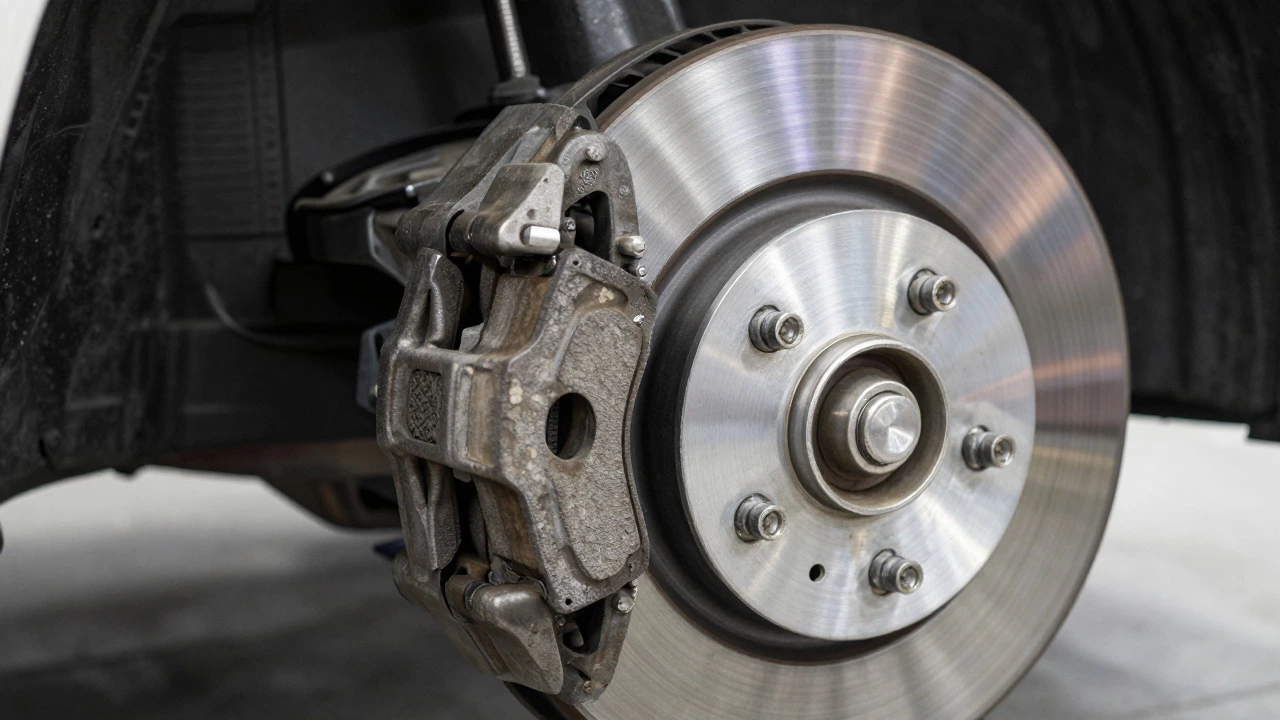
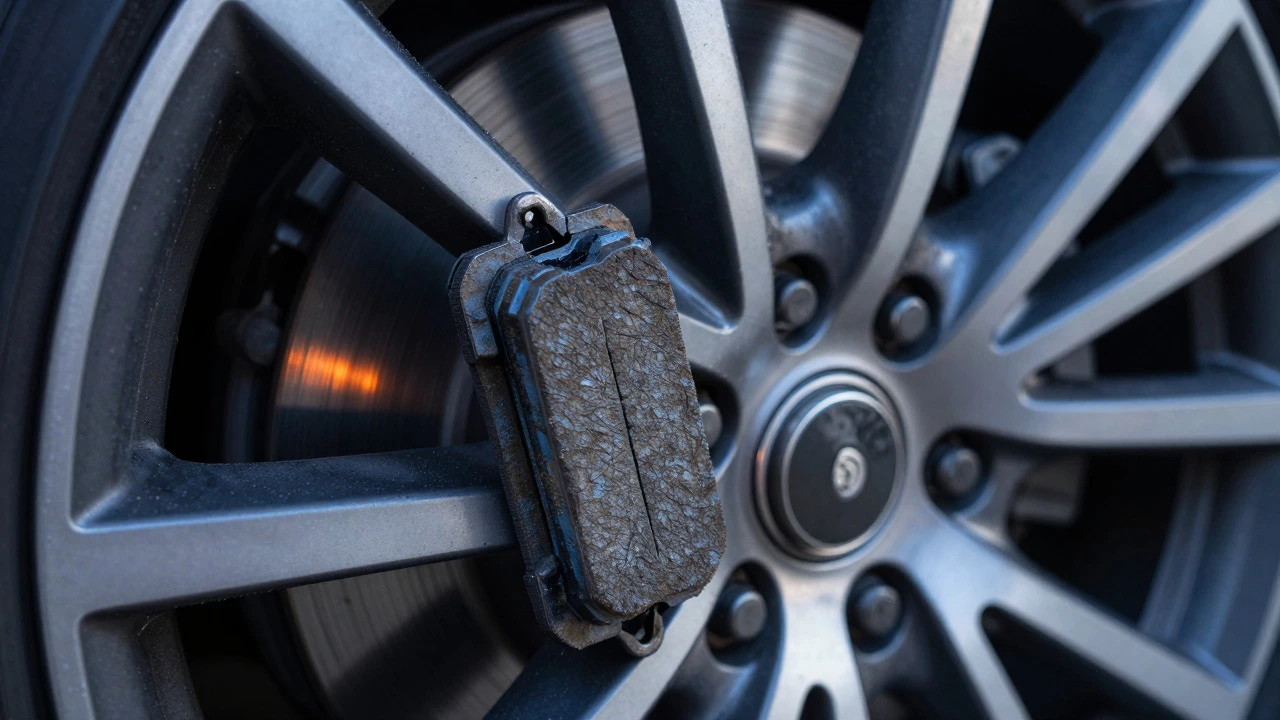
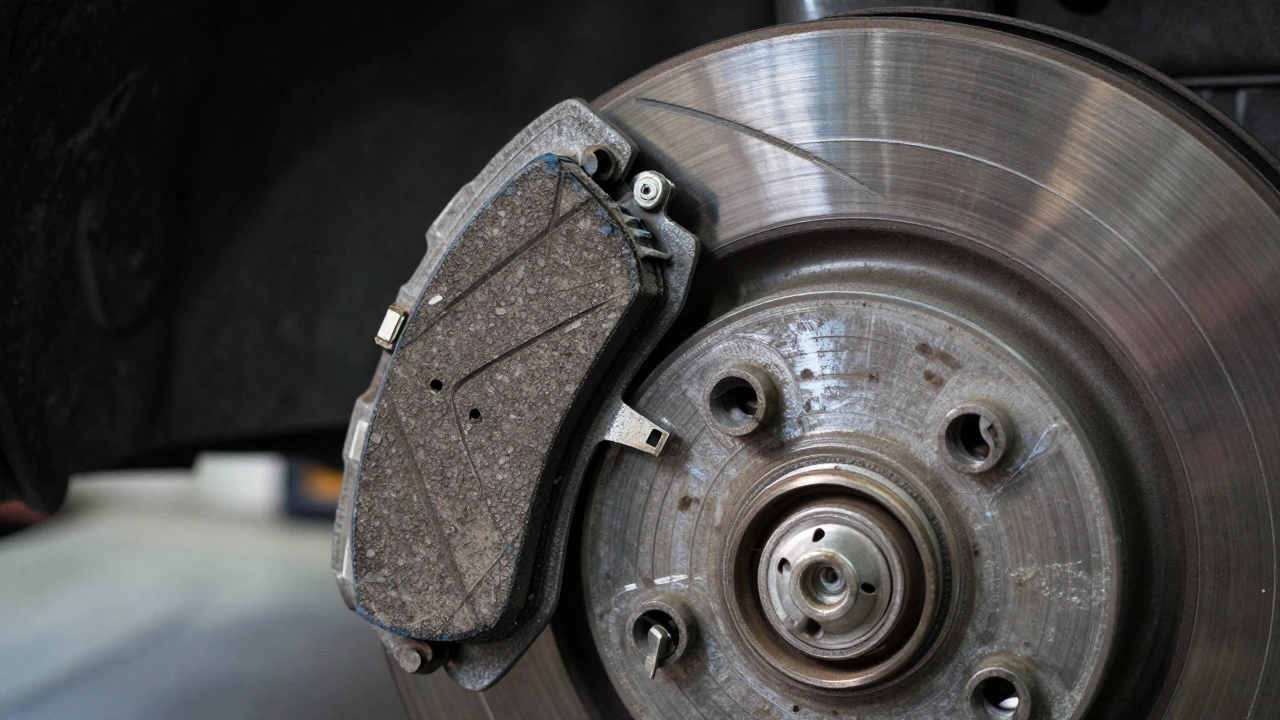
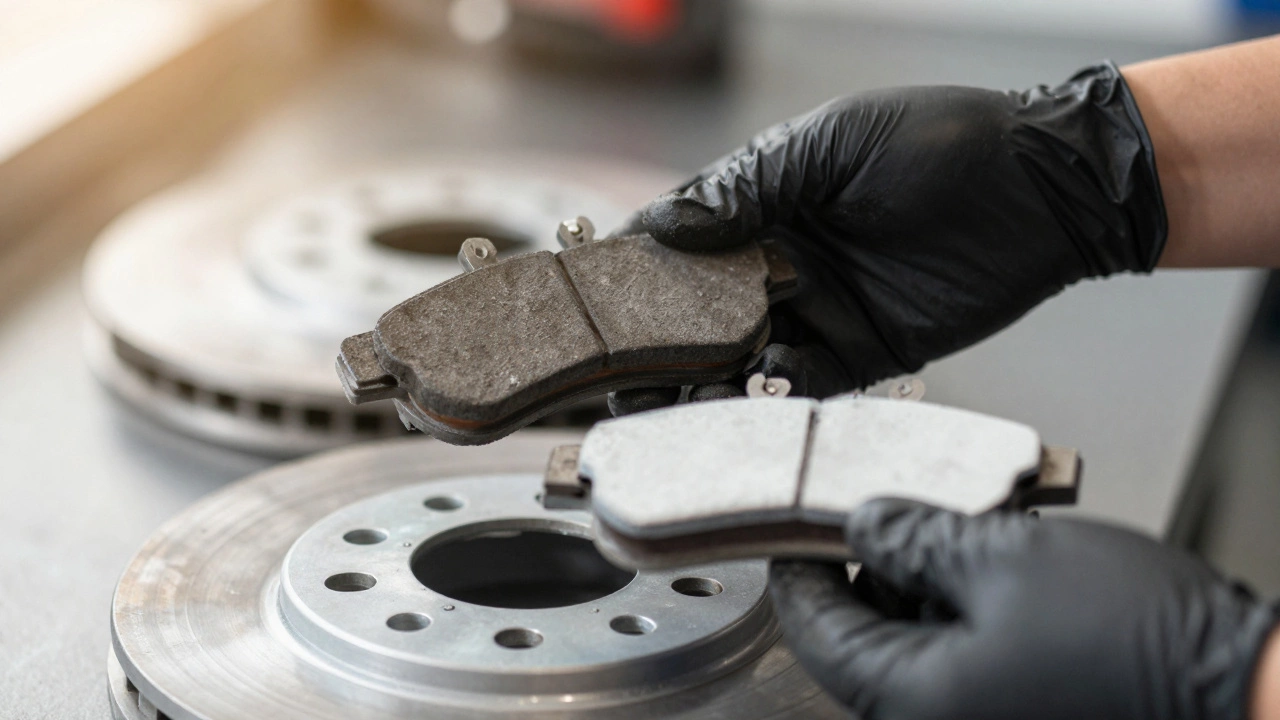
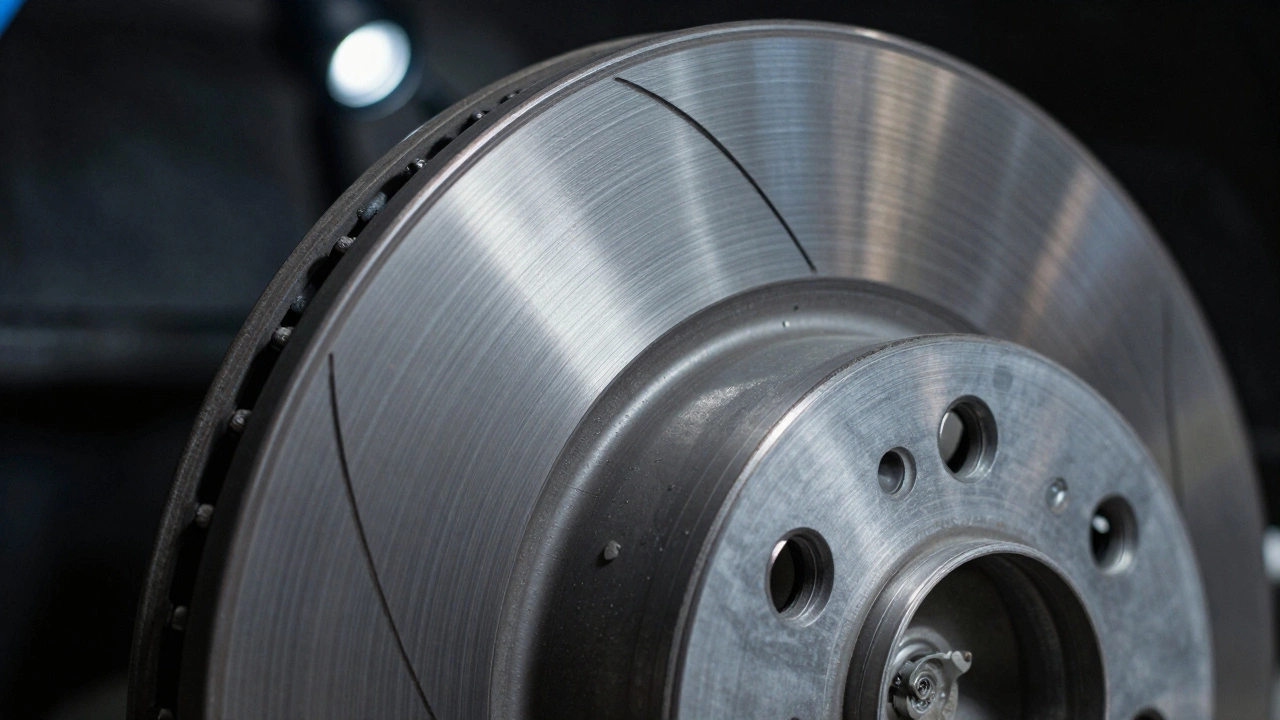
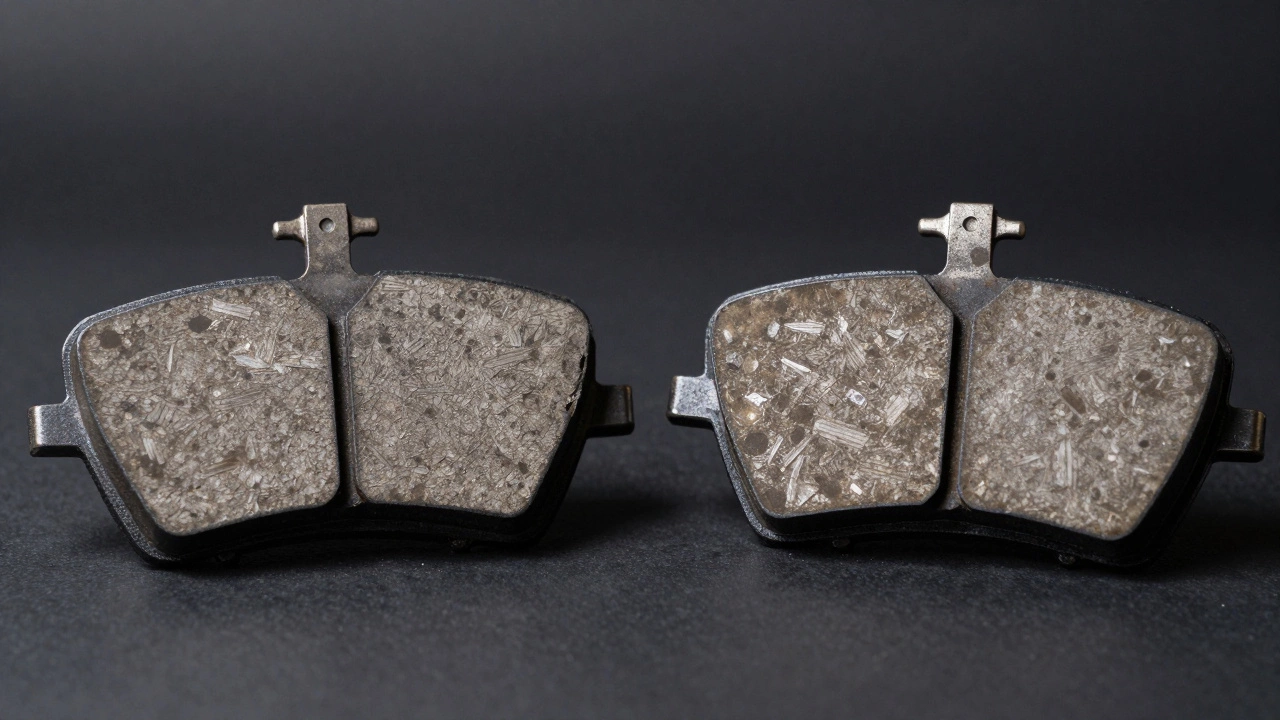
When you step on the brake pedal, brake pads, thin friction materials that clamp down on the brake discs to slow your car. Also known as brake shoes, they’re one of the most critical safety parts in your vehicle. Without them, your brakes won’t stop the car properly—and that’s not something you can afford to ignore.
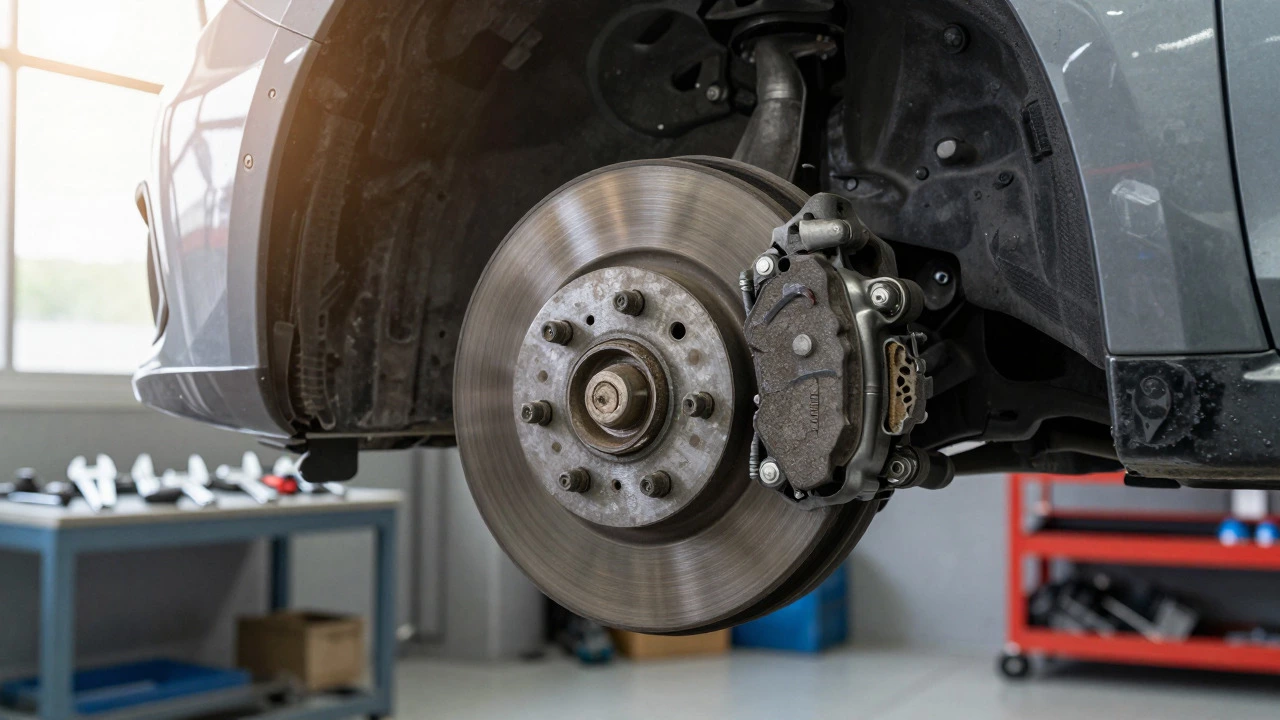
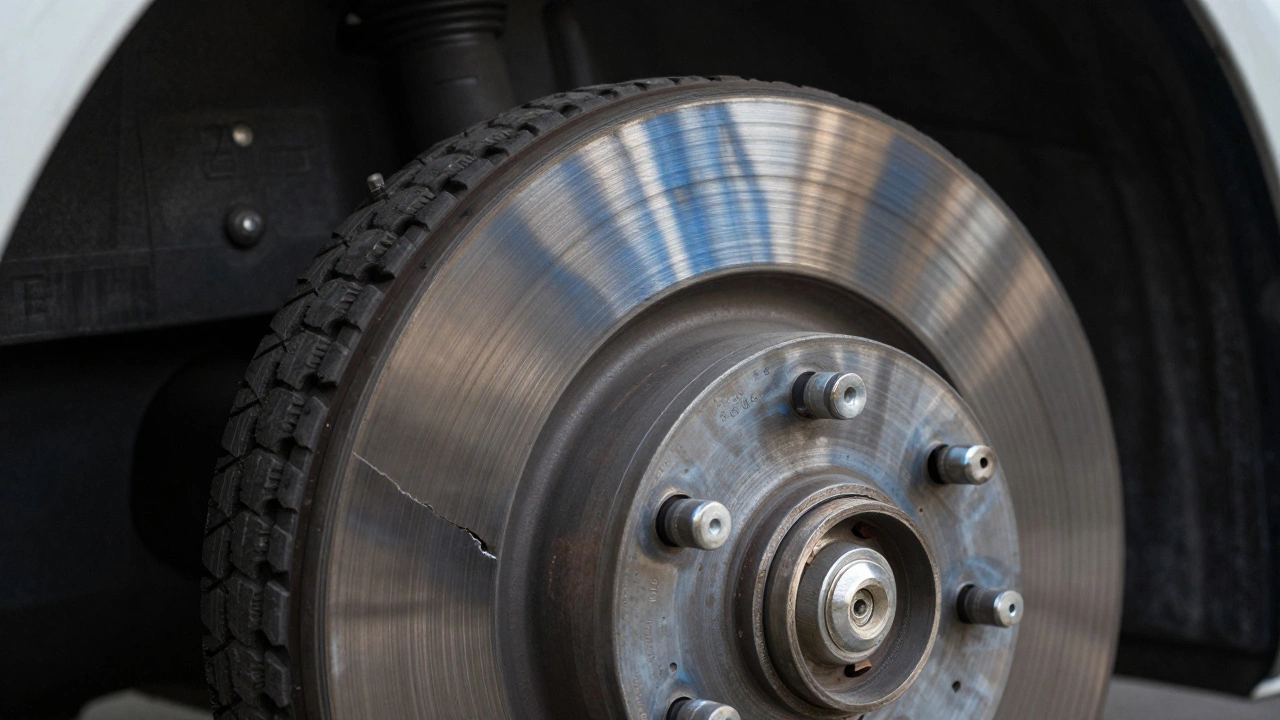
Brake pads don’t last forever. In the UK, most drivers need to replace them between 25,000 and 60,000 miles, but heavy city driving, frequent stops, and wet weather can cut that down to under 30,000 miles. The brake discs, the metal rotors that the pads press against often last longer, but if they’re warped, scored, or too thin, replacing just the pads won’t fix the problem. And yes, your car has either four or eight brake pads total—two per wheel, front and back. Front pads usually wear out faster because they handle most of the stopping force.
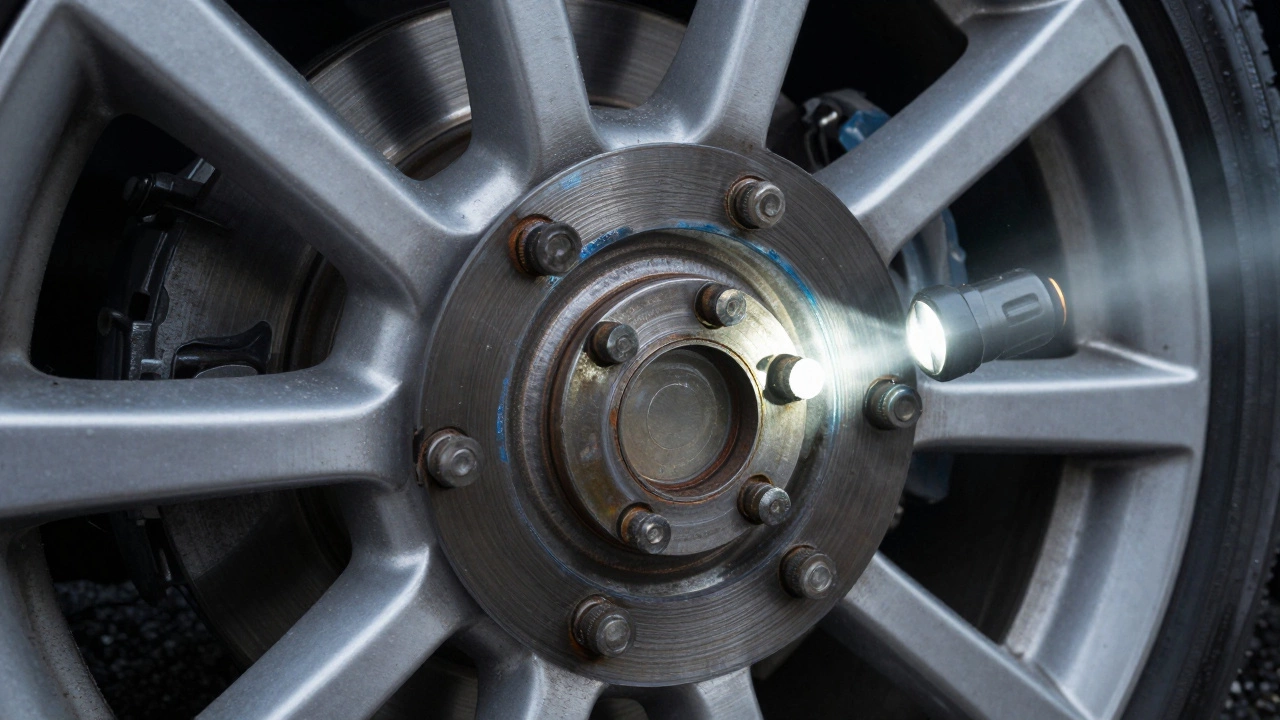
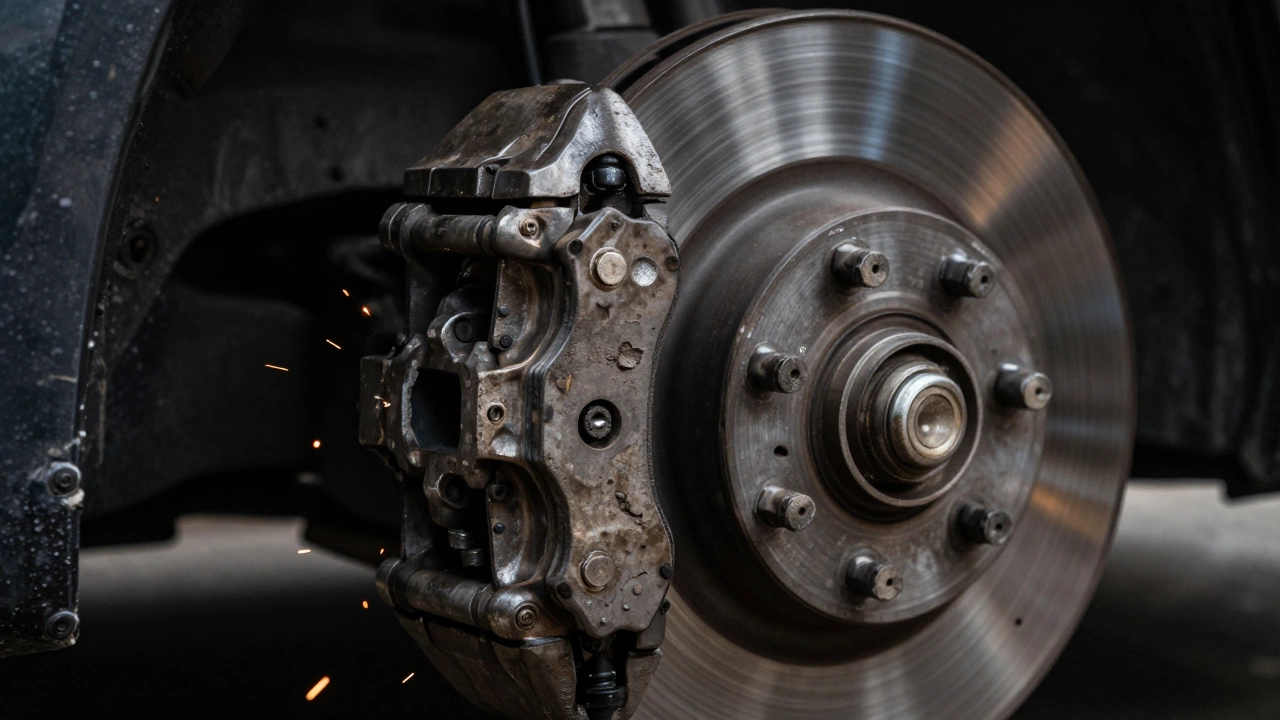
Ignoring worn brake pads isn’t just risky—it’s expensive. If you wait too long, the metal backing plate grinds into the disc, and suddenly you’re looking at a £300+ repair instead of a £100 pad swap. You’ll know they’re worn if you hear a high-pitched squeal, feel vibration in the pedal, or notice your car pulling to one side when braking. Some cars even have warning lights, but most don’t. That’s why checking them yourself—by looking through the wheel spokes or listening for changes in noise—is one of the smartest things you can do as a driver.
And before you think about doing it yourself, ask: is replacing brake pads really cheaper than a mechanic? The tools aren’t expensive, and the steps are simple if you’ve got a jack and some patience. But if you’re not sure about the process, or if your discs need checking too, it’s better to get help. Many UK drivers save money by buying parts online and paying just for labor—but only if they know what they’re getting.
There’s a lot of confusion out there. Can you replace just the pads? Should you replace all four at once? Do premium pads last longer? These aren’t theoretical questions—they affect your safety and your wallet. That’s why the posts below cover everything from how to spot early wear, to whether you can drive with bad pads, to the real cost of DIY replacement. You’ll find clear answers, real-life examples, and no marketing fluff. Whether you’re a weekend driver or someone who fixes their own car, this collection gives you the facts you need to make smart, safe choices.