Spark Plug Diagnostic Tool
Step 1: Identify Your Engine
Select the primary power source of your vehicle.
Ready to Diagnose
Enter your details to see how your ignition system works and check for potential issues.
Imagine pulling out of your driveway in Manchester on a rainy Tuesday morning. You turn the key, the dashboard lights flicker, but the engine just coughs and dies. Or maybe it never started at all. Panic sets in. Is your car dead? Do you need a tow truck immediately? One of the first things a mechanic might check is the spark plug, which is a small but critical component that ignites the fuel-air mixture in an internal combustion engine. But here is the million-pound question: Can a car actually run without one?
The short answer depends entirely on what kind of car you are driving. If you have a standard petrol car, the answer is a hard no. If you drive a diesel or an electric vehicle, the answer is yes, because those cars don't use them. It sounds simple, but there is a lot of nuance when it comes to how modern engines work, what happens if one fails, and why some people think they can remove them to save money (spoiler: you shouldn't).
How Spark Plugs Actually Work
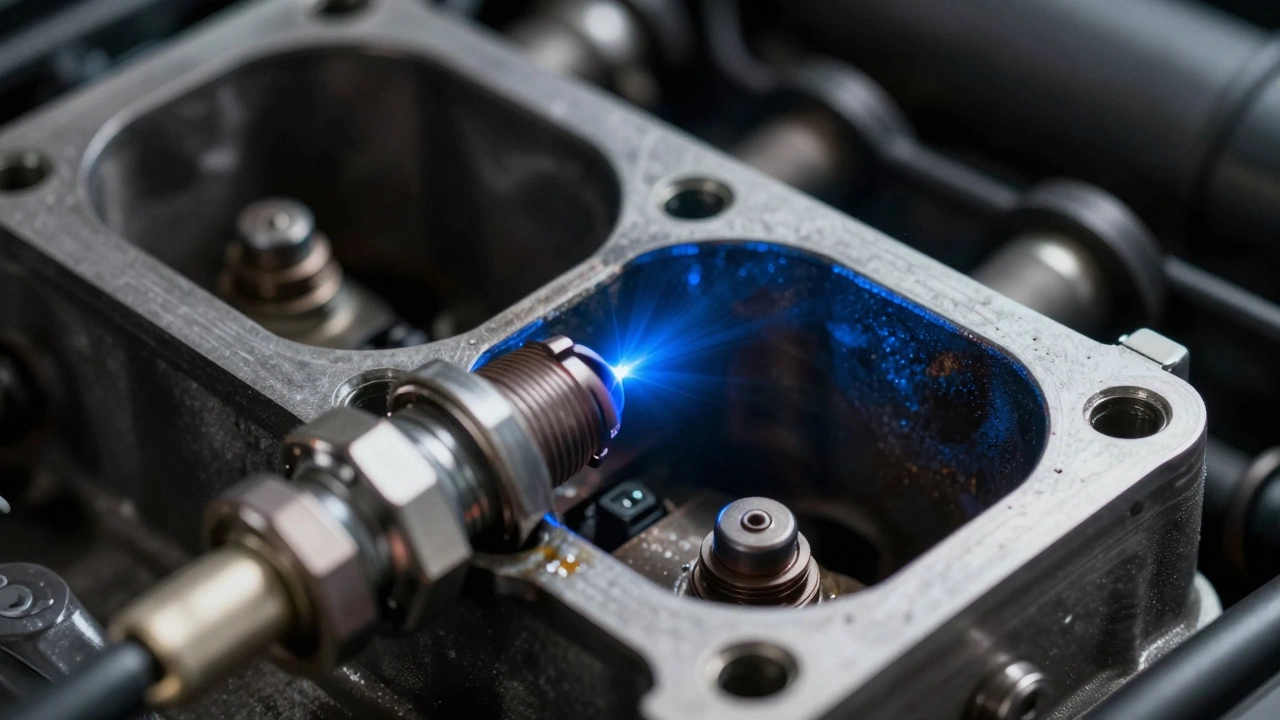
To understand why a car might stop running, we need to look under the hood. A spark plug isn't just a random part; it is the trigger for the explosion that powers your car. In a petrol engine, air and fuel mix together in the cylinders. This mixture sits there harmlessly until the spark plug sends a high-voltage electrical arc across its gap. That tiny flash of lightning ignites the mixture, creating a controlled explosion. This explosion pushes the piston down, turning the crankshaft, and eventually moving your wheels.
Without that spark, nothing happens. The fuel just sits there. Think of it like trying to light a gas stove. You can turn the knob to let the gas flow, but if you don't strike the match or press the ignition button, the gas won't burn. Your engine will crank, making that familiar "chug-chug" sound as the starter motor turns the engine over, but it won't fire up. The energy from the battery goes nowhere because there is no combustion.
| Engine Type | Uses Spark Plugs? | Ignition Method | Will it start without them? |
|---|---|---|---|
| Petrol (Gasoline) | Yes | Electrical Spark | No |
| Diesel | No | Compression Heat | Yes (N/A) |
| Electric (EV) | No | Electric Motor | Yes (N/A) |
| Hybrid (Petrol/Electric) | Yes (for ICE) | Both | No (if using petrol engine) |
What Happens If One Spark Plug Fails?
Here is where things get tricky. Most cars have four, six, eight, or even twelve spark plugs. What if only one goes bad? Can the car still run?
Technically, yes. Your car will likely start and drive. However, it will be miserable. When one cylinder doesn't fire, the engine becomes unbalanced. This condition is called a "misfire." You will feel it immediately. The car will shake or vibrate, especially when idling at traffic lights. The acceleration will feel sluggish, and you might hear a rough, uneven rumble from the exhaust.
Driving with a bad spark plug is dangerous for two main reasons. First, the unburned fuel from that misfiring cylinder dumps straight into the exhaust system. This raw fuel can soak the catalytic converter, causing it to overheat and melt. Replacing a catalytic converter costs hundreds, sometimes thousands of pounds. Second, the imbalance puts extra stress on the engine mounts and other components, potentially leading to more expensive repairs down the line.
If you suspect a single spark plug is faulty, do not ignore it. The car might move, but it is hurting itself every mile you drive.
Diesel Engines: No Sparks Needed
If you drive a diesel car, you probably haven't thought about spark plugs in years. That's because diesel engines work differently. They rely on compression ignition instead of spark ignition.
In a diesel engine, the pistons compress air to such a high degree that the air temperature rises dramatically-hot enough to ignite fuel instantly upon contact. When the fuel injector sprays diesel into this superheated air, it bursts into flame without any help from a spark. So, a diesel car doesn't just "run without a spark plug"; it was never designed to have one in the first place. Trying to install spark plugs in a diesel engine would be pointless and could cause serious damage.
Electric Vehicles: The Future is Spark-Free
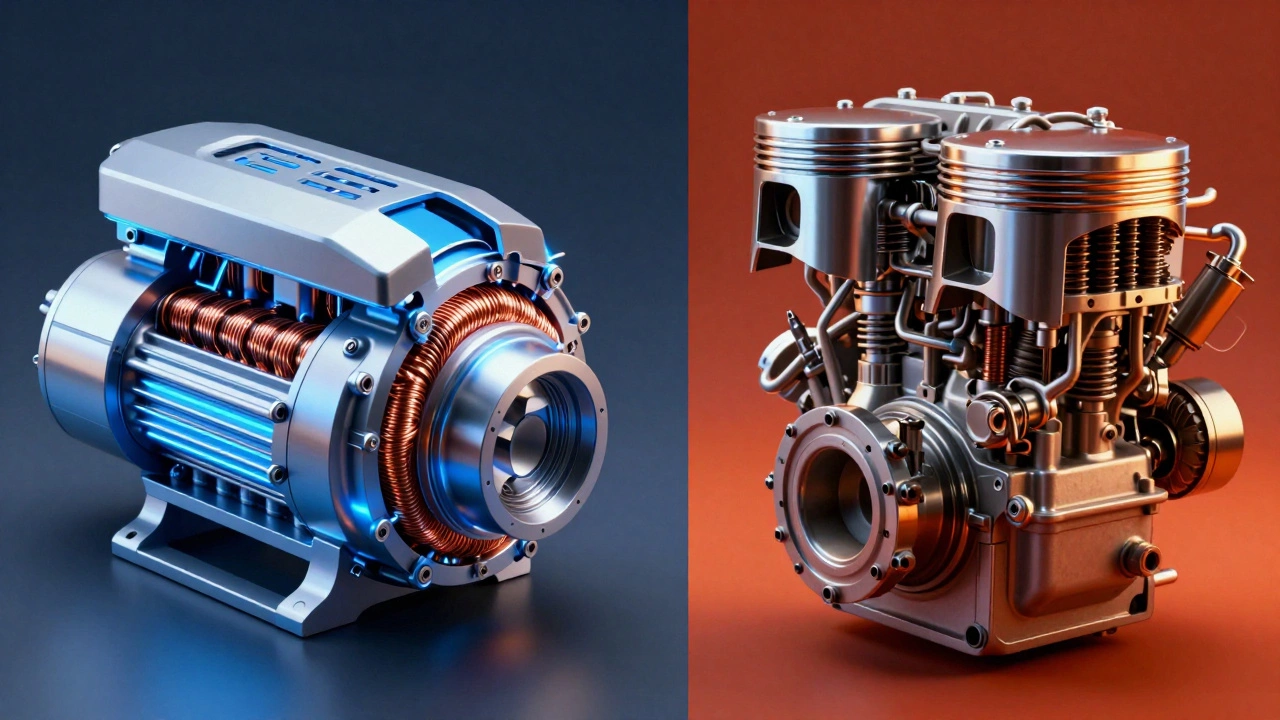
With the rise of electric vehicles (EVs) like the Tesla Model 3 or the Nissan Leaf, the concept of spark plugs is becoming obsolete for many new drivers. EVs use electric motors powered by large lithium-ion batteries. There is no fuel, no air intake, and no combustion chamber. Therefore, there is no need for sparks.
This is one of the biggest advantages of EVs regarding maintenance. Fewer moving parts mean fewer things to break. You don't need to replace spark plugs, oil filters, or timing belts. For someone living in the UK where winter weather can be harsh, knowing your car won't struggle to start due to a worn-out ignition component is a huge relief.
Common Myths and Dangerous Hacks
You might see videos online claiming you can modify a petrol engine to run without spark plugs by altering the fuel injection or using high-compression techniques. These are myths or extremely niche experimental setups that are unsafe for road use. Removing spark plugs from a standard petrol car to "save money" or "improve performance" is a recipe for disaster. It will lead to immediate engine failure, severe pollution violations, and voided insurance.
Another myth is that glow plugs in diesel engines are the same as spark plugs. They are not. Glow plugs heat up the combustion chamber to help the engine start in cold weather, but once the engine is running, they turn off. Spark plugs, however, fire continuously while the engine runs. Confusing these two can lead to incorrect diagnoses and wasted cash.

Signs Your Spark Plugs Need Attention
Since you can't easily see inside your engine, how do you know if your spark plugs are failing? Pay attention to these signs:
- Rough Idling: The car shakes when stopped at lights.
- Poor Acceleration: The car feels sluggish when you press the gas pedal.
- Increased Fuel Consumption: Misfires waste fuel, so your tank empties faster.
- Difficulty Starting: The engine cranks longer than usual before firing up.
- Check Engine Light: Modern cars have sensors that detect misfires and will trigger the warning light.
If you notice any of these, get them checked. Replacing spark plugs is relatively cheap and straightforward compared to the cost of repairing a damaged catalytic converter or engine.
Maintenance Tips for Longer Life
While you can't make a petrol car run without spark plugs, you can make them last longer. Here are some practical tips:
- Follow the Manufacturer's Schedule: Check your owner's manual. Some cars need replacement every 20,000 miles, while others with iridium plugs can go 60,000+ miles.
- Use Quality Parts: Cheap spark plugs may fail sooner and cause inconsistent firing. Stick to reputable brands.
- Keep Air Filters Clean: A dirty air filter affects the air-fuel mixture, which can foul spark plugs over time.
- Avoid Short Trips: Frequent short drives prevent the engine from reaching optimal operating temperature, leading to carbon buildup on plugs.
Conclusion
So, can a car run without a spark plug? If it's a petrol car, absolutely not. The engine needs that spark to breathe life into the fuel. If it's a diesel or electric car, then yes, because they don't use them. Understanding this distinction saves you from panic during a breakdown and helps you maintain your vehicle properly. Don't gamble with your ignition system. Keep those plugs fresh, and your car will thank you with smooth rides and better fuel economy.
Can I drive my car if one spark plug is bad?
You technically can, but you shouldn't. Driving with a bad spark plug causes engine misfires, which can damage the catalytic converter and reduce fuel efficiency. It also creates an uneven ride and potential safety hazards. Get it replaced as soon as possible.
Do diesel cars have spark plugs?
No, diesel cars do not have spark plugs. They use compression ignition, where the heat generated by compressing air ignites the fuel. Diesel engines may have glow plugs to assist with starting in cold weather, but these are different from spark plugs.
How often should I replace spark plugs?
It depends on the type of spark plug and your vehicle manufacturer's recommendations. Standard copper plugs may need replacement every 20,000-30,000 miles, while platinum or iridium plugs can last 60,000-100,000 miles. Always check your owner's manual.
What happens if I remove all spark plugs from a petrol car?
The engine will not start. Without spark plugs, there is no ignition source for the fuel-air mixture. The starter motor will crank the engine, but it will never fire up. Attempting to run the engine this way can cause hydraulic lock or other severe mechanical damage.
Can electric cars run without spark plugs?
Yes, because electric cars do not have spark plugs. They use electric motors powered by batteries, eliminating the need for combustion and ignition systems entirely.