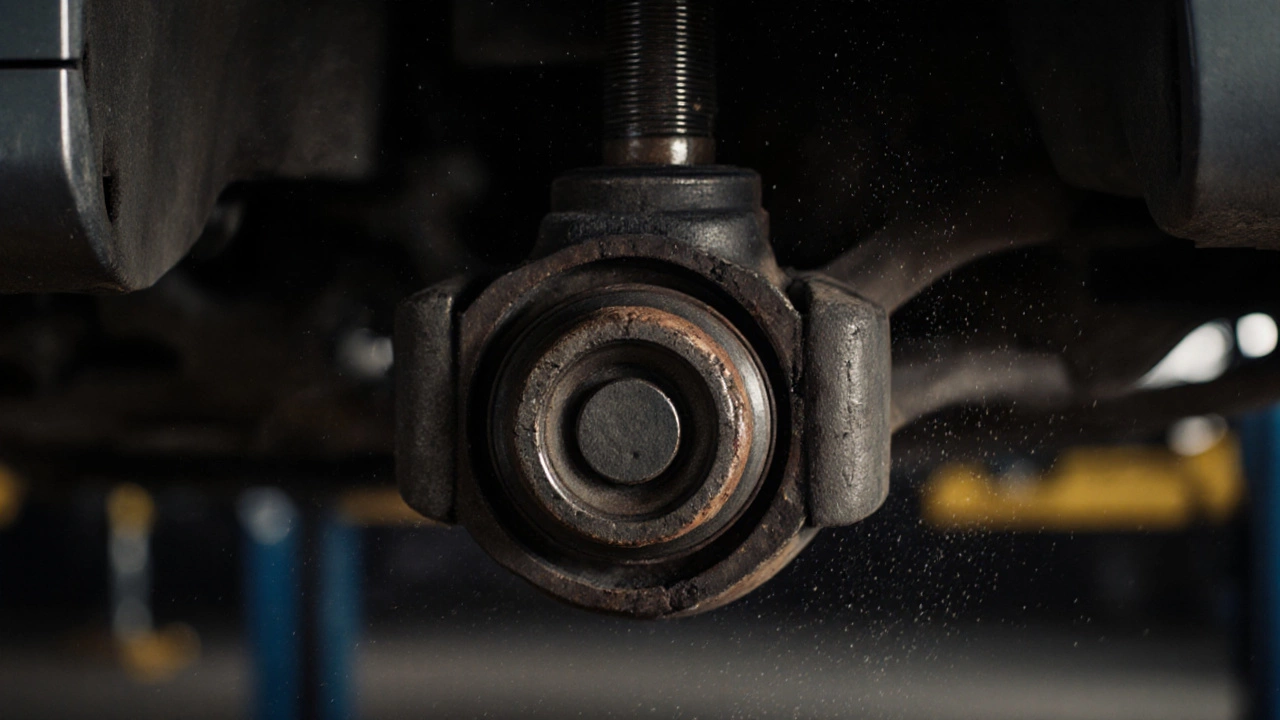
Worn Suspension Parts: Signs, Risks, and What to Do Next
When your worn suspension parts, the components that keep your car stable, smooth, and in control while driving. Also known as damaged suspension components, they include struts, shocks, control arms, and bushings that wear out over time from road bumps, heavy loads, or poor maintenance. Ignoring them isn’t just about a bumpy ride—it’s a safety risk. A car with worn suspension doesn’t stop straight, handles poorly in wet conditions, and can cause uneven tire wear that costs you hundreds in replacements.
Look for bad struts symptoms, the clear signals your car’s shock absorbers are failing: excessive bouncing after hitting a bump, the front end dipping when you brake, or a clunking noise over speed bumps. These aren’t just annoyances—they mean your tires aren’t staying flat on the road, which increases stopping distance by up to 20% in emergencies. And if you notice your car pulling to one side or the steering feels loose, that’s often a sign of bent suspension, a structural issue caused by hitting a pothole or curb hard enough to warp control arms or tie rods. This isn’t something you can fix with a quick tighten-up. It needs professional inspection and often replacement parts.
Worn suspension doesn’t just affect handling—it can also strain your engine. When the wheels aren’t aligned properly due to damaged parts, your engine works harder to keep the car moving straight, leading to unnecessary wear on drivetrain components. You might not notice it right away, but over time, this adds up to higher fuel bills and more frequent repairs. The good news? Most of these issues show up long before they cause total failure. You don’t need fancy tools to spot them. Look for uneven tire tread, check for fluid leaks around shocks, and do the bounce test: push down hard on each corner of the car. If it bounces more than once, your suspension is tired.
Many people wait until their car feels completely unstable before acting. But by then, you’ve already damaged tires, brakes, and possibly steering parts. The smart move is to check your suspension every 50,000 miles—or sooner if you drive on rough roads often. It’s one of the cheapest safety checks you can do. The posts below show you exactly how to spot these problems yourself, what parts are most likely to fail in UK conditions, and how to decide whether to replace or repair. You’ll find real-world tips from drivers who’ve been there, with clear steps to avoid costly mistakes and keep your car safe on every journey.