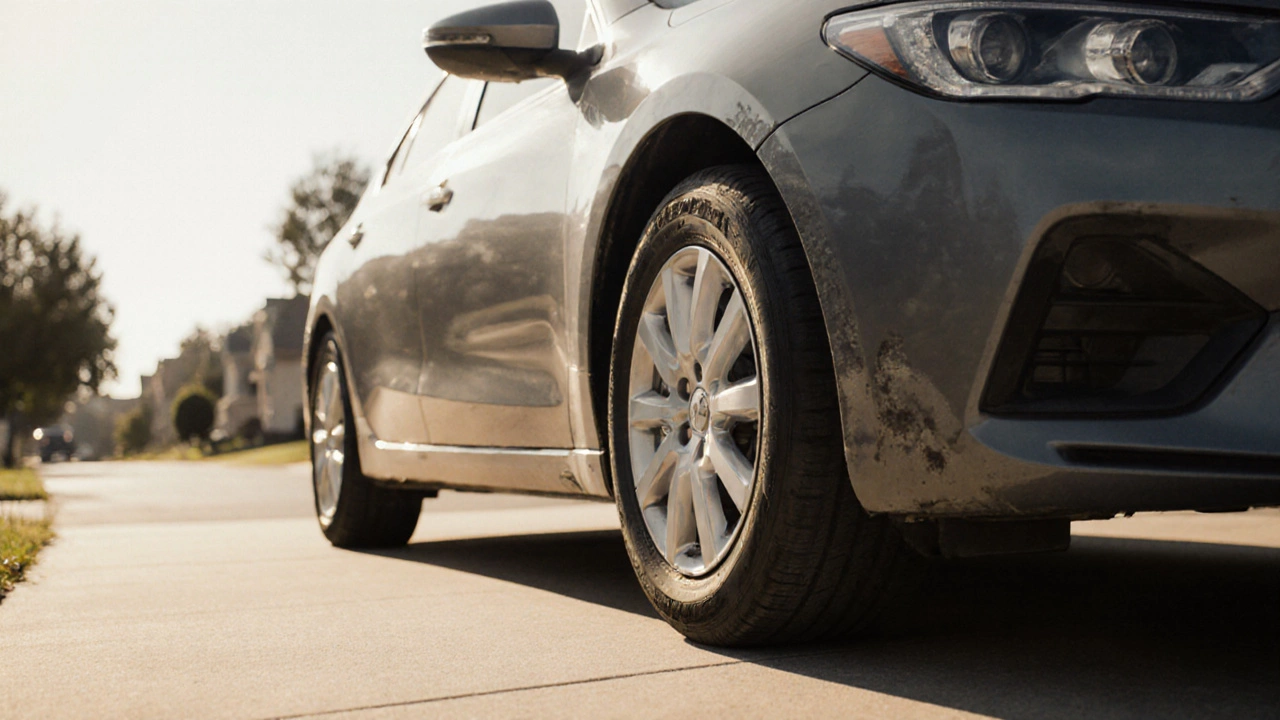
Wheel Alignment: What It Is, Why It Matters, and What to Watch For
When your wheel alignment, the adjustment of a vehicle’s suspension angles to ensure tires contact the road correctly. Also known as tracking, it’s not just a tune-up—it’s a safety and cost-saving routine that keeps your tires lasting longer and your car pulling straight. If your car tugs to one side, your steering wheel is crooked when driving straight, or your tires are wearing unevenly, your wheel alignment is off. This isn’t a minor issue. Misaligned wheels don’t just wear out tires faster—they put extra stress on your suspension system, the network of parts that connect your wheels to the chassis and absorb road shocks, leading to worn shocks, struts, and control arms. And because alignment affects how your tires grip the road, it directly impacts your braking distance and cornering stability, especially in wet or icy conditions.
Most people think alignment is only needed after hitting a pothole or curb. But it’s also something that slowly drifts over time due to normal wear. Even small changes—like a slightly bent control arm or a worn bushing—can throw off the angles. You don’t need to wait for a warning light. Check your tires. If the inside or outside edges are more worn than the center, that’s a classic sign of misalignment. If you notice your car drifting left or right on a flat road without steering input, that’s another red flag. And if your steering wheel is off-center when driving straight, you’re not imagining it. The shop isn’t just trying to upsell you. A proper alignment uses laser-guided equipment to adjust three key angles: camber, caster, and toe. Camber is the inward or outward tilt of the tire. Caster affects steering feel and return. Toe is whether your tires point slightly inward or outward. All three need to be in sync for optimal performance.
Ignoring alignment doesn’t just mean replacing tires sooner—it means you’re spending more on fuel. Misaligned wheels create drag, forcing your engine to work harder. Over time, that adds up. It also makes your car feel unstable, especially at highway speeds. You might not notice it day to day, but when you finally get it fixed, the difference is obvious: smoother ride, better handling, less steering effort. And if you’ve been dealing with uneven tire wear, you’ll see how much longer your next set lasts. The posts below cover the real-world signs of alignment problems, how they connect to other issues like worn struts or bad suspension, and what to do when your car starts pulling or vibrating. You’ll find practical advice on spotting trouble early, understanding what mechanics check during an alignment, and how to avoid being overcharged. This isn’t theory. It’s what drivers actually experience—and how to fix it before it costs you hundreds.