Vehicle Handling: What It Is and How Suspension, Brakes, and Clutches Affect It
When you hear vehicle handling, how a car responds to steering, braking, and road conditions. Also known as car dynamics, it's not about power—it's about control. A fast car that won't stop or turn safely is just a liability. Real vehicle handling comes from the balance between your suspension, the system that connects wheels to the chassis and absorbs road shocks, your brakes, the mechanism that converts motion into heat to slow or stop the car, and your clutch, the component that connects and disconnects engine power to the transmission. If one of these fails, the whole system suffers.
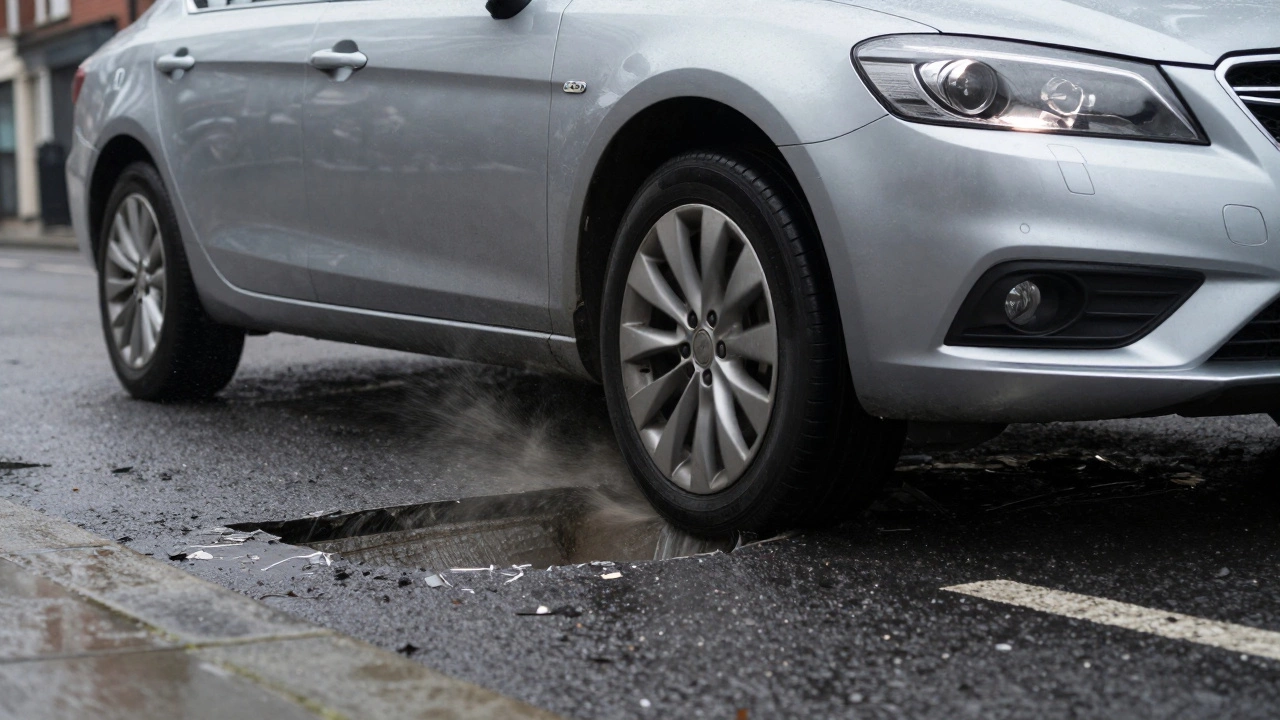
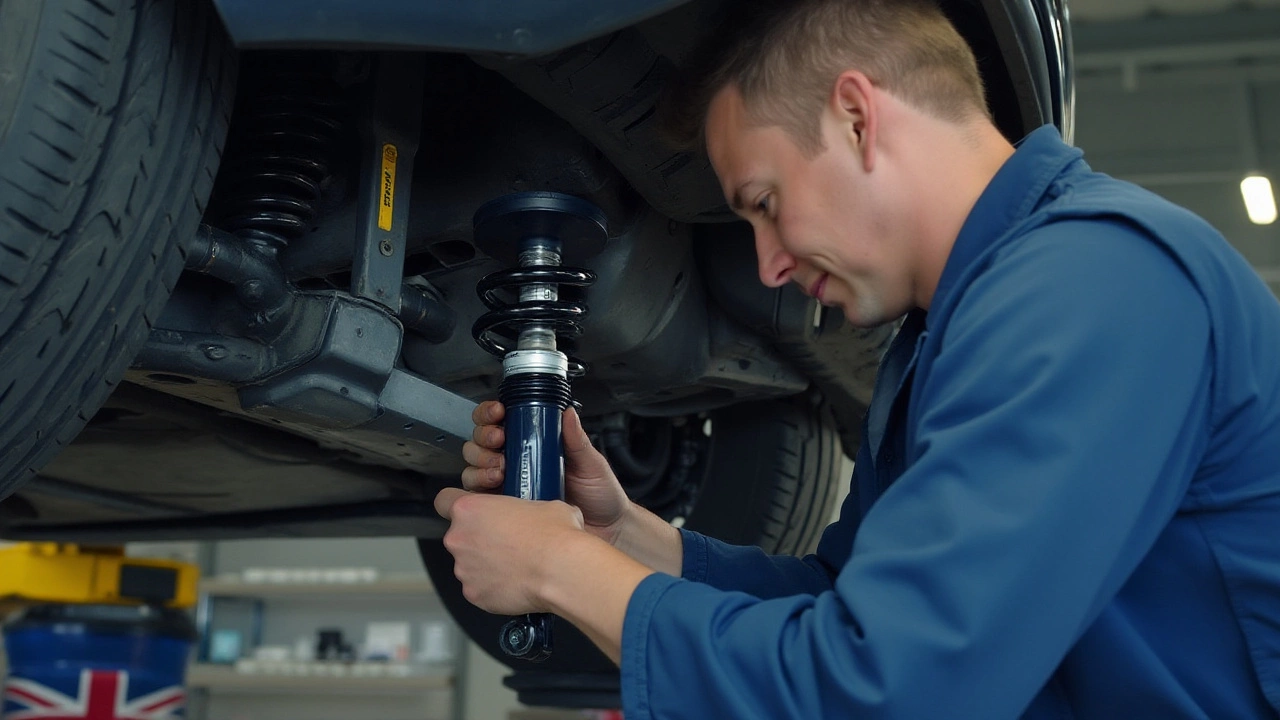
Bad vehicle handling doesn’t always scream for attention. Sometimes it just whispers—through a slight wobble when you brake, a delayed response when you turn, or a clunk when you shift gears. Worn struts make your car bounce instead of grip. Thin brake pads mean longer stopping distances. A slipping clutch turns acceleration into hesitation. These aren’t just repair items—they’re safety issues. UK roads are wet, twisty, and often congested. Poor handling turns a simple commute into a risk. And if you’re buying at auction, you can’t assume the seller told you the truth. You need to know what to look for.
Many people think handling is about big wheels or stiff springs. But the real difference comes from maintenance. A car with 60,000 miles and fresh brake pads, aligned suspension, and a healthy clutch will out-handle a newer car with worn parts. That’s why auction buyers who check suspension, brake thickness, and clutch feel consistently win. The posts below give you the exact signs to spot bad struts, worn brake pads, failing clutches, and how they all connect to how your car moves. No theory. No fluff. Just what to check before you bid.