Tire Replacement: When, Why, and How to Do It Right
When you hear a thump on the road or notice your car pulling to one side, it’s often not just a bump—it’s your tire replacement, the process of swapping out worn, damaged, or unsafe tires to maintain vehicle control and safety. Also known as tyre replacement, it’s one of the most basic but critical maintenance tasks every UK driver needs to understand. Tires are the only part of your car touching the road, and even small issues can lead to big problems: longer stopping distances, poor handling in rain, or worse, a blowout at highway speed.
Most tires last between 20,000 and 40,000 miles, but that’s not a rule—it’s a guess. Real tire life depends on how you drive, the roads you use, and whether you check tire pressure, the amount of air inside the tire that affects grip, fuel use, and wear patterns monthly. Underinflated tires wear faster on the edges, overinflated ones wear down the middle, and both hurt your fuel economy. Then there’s wheel alignment, the adjustment of your car’s suspension to ensure tires contact the road evenly. A misaligned car doesn’t just eat tires—it makes steering feel off and can damage your suspension over time. You might not notice it until you see uneven wear, like one side of the tread is bald while the other still has life left.
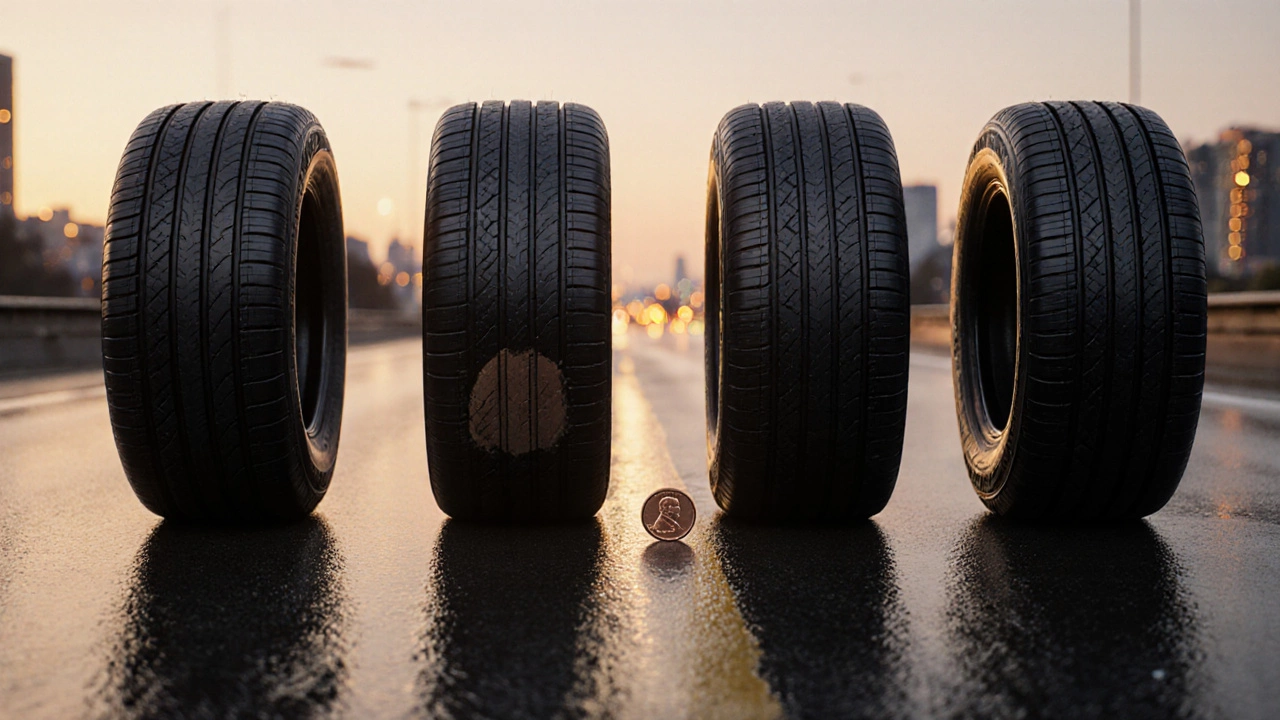
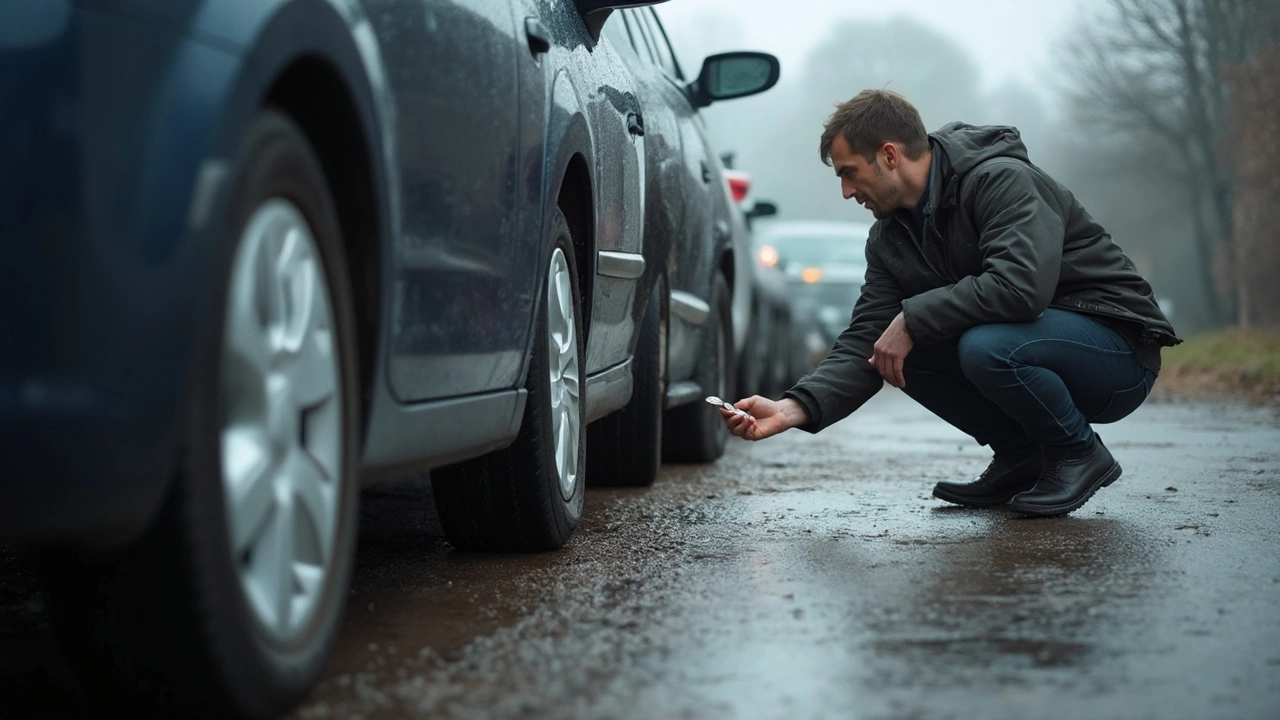
Don’t wait for a flat to tell you it’s time. Look for the wear bars—tiny raised ridges between the tread grooves. If the tread is flush with them, it’s time. Or use the penny test: stick a penny into the tread with Lincoln’s head upside down. If you can see the top of his head, your tires are worn out. Cracks on the sidewall, bulges, or vibrations at speed? Those aren’t normal. They mean the tire’s structure is failing. And if you’ve hit a pothole hard or run over debris, even a small cut can let air out slowly until it’s too late.
Replacing tires isn’t just about buying new ones. It’s about matching them right—same brand, same model, same tread pattern on the same axle. Mixing tires can upset your car’s balance, especially if you have ABS or traction control. And if you’re replacing just two, put the new ones on the back, not the front. Rear tires provide stability; if they’re worn, your car can spin out in wet conditions, even if the fronts are new.
Many drivers skip tire checks because they think it’s not their job. But if you’re spending money on fuel, insurance, or repairs, this is the cheapest way to avoid a much bigger bill. A set of decent tires costs less than a single repair from a blowout. And if you’re buying from an auction, you’ll often find used tires listed—know how to spot the good ones from the dangerous ones.
Below, you’ll find real guides from drivers who’ve dealt with worn tread, strange vibrations, and unexpected tire failures. Whether you’re checking pressure before a long trip or wondering if that wobble means a new tire or a bigger problem, these posts give you the facts—not the fluff.