Tire Mileage: How Long Do Tires Last and When to Replace Them
When you think about tire mileage, the total distance a set of tires can safely cover before they become unsafe or inefficient. Also known as tire lifespan, it’s not just about how many miles are on the odometer—it’s about how those miles have worn down the rubber, affected traction, and changed how your car handles the road. Most tires last between 25,000 and 50,000 miles, but that’s just a starting point. Where you drive, how you drive, and what kind of tires you have all change that number. A set of tires on a commuter car in London might wear out faster than the same tires on a quiet country road because of potholes, wet surfaces, and stop-and-go traffic.
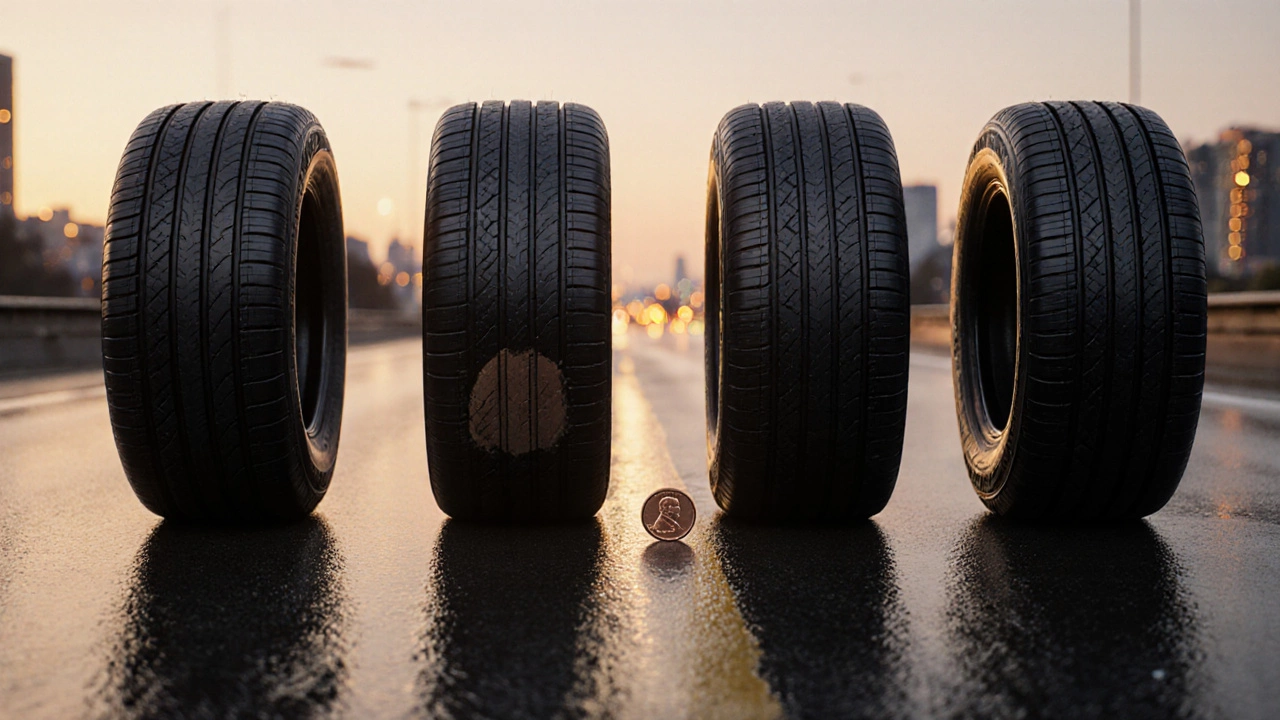
Tire wear, the gradual loss of tread depth from regular use, heat, and improper inflation is the real clock ticking under your car. You can’t just wait until the tread looks thin—you need to check it. A simple coin test (put a penny head-down in the tread—if you can see the top of Lincoln’s head, it’s time to replace them) gives you a quick answer. But wear isn’t always even. If one side of the tire is smoother than the other, that’s a sign of alignment issues. If the center is worn down more than the edges, your tires are overinflated. Uneven wear doesn’t just mean you need new tires—it means something else in your suspension or steering is failing.
Tire replacement, the process of swapping worn or damaged tires for new ones to restore safety and performance isn’t just about buying the cheapest option. The right tire for your car depends on your driving style, the weather you face, and even the kind of roads you’re on. A tire that’s great for dry summer miles might be dangerous in winter rain. And replacing just one tire? That can throw off your car’s balance and make your ABS or traction control act up. Most mechanics recommend replacing tires in pairs or all four at once.
What most drivers don’t realize is that tire mileage isn’t just about distance—it’s about time. Even if you drive very little, tires age. Rubber cracks, seals dry out, and the structure weakens. Many experts say to replace tires after six years, no matter how much tread is left. That’s because old tires can fail without warning, even if they look fine.
And here’s the thing: bad tires don’t just cost you money—they cost you safety. Longer stopping distances. Less grip in the rain. Higher risk of blowouts. A worn tire isn’t just a maintenance item—it’s a potential accident waiting to happen. That’s why checking your tires every month isn’t optional. Look for cracks, bulges, or objects stuck in the tread. Feel for vibrations when you drive. Listen for unusual noises. These are early signs your tires are on their last legs.
The posts below give you real, no-fluff advice on spotting tire wear before it’s too late, understanding how driving habits shorten tire life, and knowing when to replace them without overpaying. You’ll find practical checks, cost-saving tips, and what to look for when shopping for new tires. Whether you’re driving a daily commuter or a weekend project car, this isn’t about guessing—it’s about knowing exactly what’s under your wheels and why it matters.