Suspension Repair: Signs, Causes, and What to Do Next
When your car feels bouncy, leans too much in turns, or makes knocking noises over bumps, you’re not just dealing with discomfort—you’re facing a suspension repair, the process of fixing or replacing components that connect your wheels to the vehicle’s frame, ensuring stability, control, and ride comfort. Also known as chassis repair, it’s one of the most overlooked but critical maintenance tasks for any driver. Ignoring suspension issues doesn’t just make your ride rough—it puts your brakes, tires, and even your engine at risk.
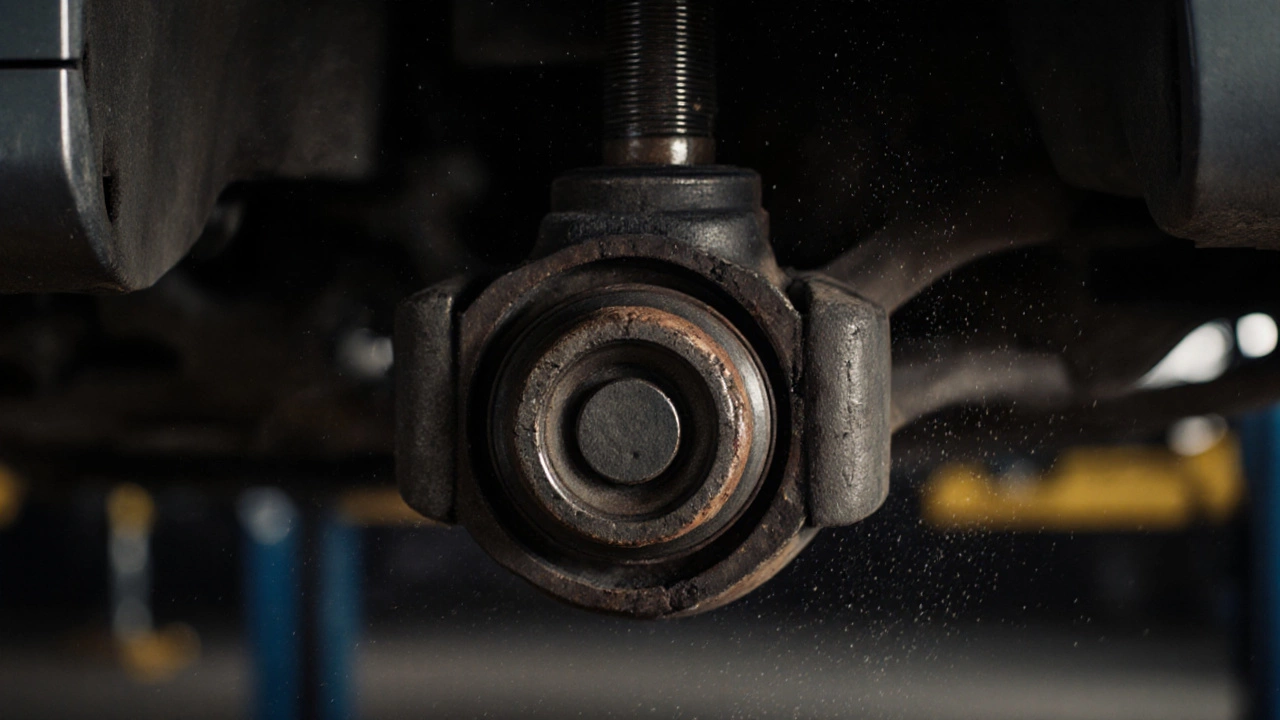
Your suspension system includes parts like struts, combined shock absorbers and coil springs that support the vehicle’s weight and absorb road impacts, shock absorbers, devices that dampen spring movement to prevent bouncing, control arms, bushings, and ball joints. When these wear out, you get uneven tire wear, longer stopping distances, and a car that feels loose or unresponsive. A bent suspension, often caused by hitting potholes, curbs, or accidents, can throw off your wheel alignment and cause the car to pull to one side. And if you’ve ever felt your car shaking at highway speeds, that’s not normal—it’s your suspension screaming for attention.
Many drivers wait until they hear loud clunks or feel the car bottoming out, but the real warning signs show up earlier: excessive bouncing after hitting a bump, the front end dipping when you brake, tires wearing on the inside or outside edges, or steering that feels vague or wobbly. These aren’t just "annoyances"—they’re safety red flags. A worn suspension can reduce your ability to steer or stop quickly, especially in wet or icy conditions. And here’s something most people don’t realize: bad suspension can actually make your engine work harder. When the wheels aren’t tracking properly, the drivetrain gets extra stress, leading to premature wear on other parts.
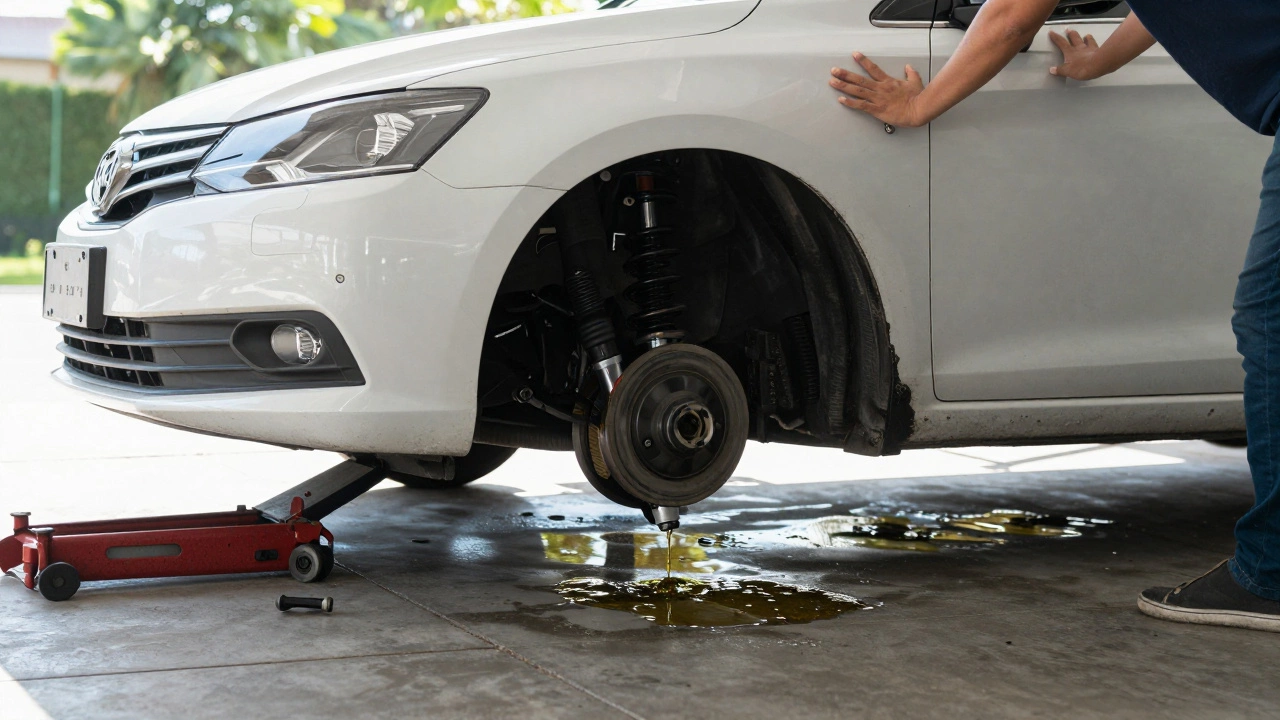
You don’t need to be a mechanic to spot trouble. A simple bounce test—press down hard on each corner of the car and let go—can tell you a lot. If it keeps bouncing more than once or twice, your shocks or struts are likely worn out. Look under the car for oil leaks around the struts, or check for visible damage to the components. And if you’ve recently hit a big pothole or curb, don’t wait for symptoms to show up—get it checked. Suspension damage doesn’t always show right away, but it worsens fast.
Below, you’ll find real-world guides from UK drivers who’ve dealt with these exact issues. From spotting bent suspension with basic tools to understanding how worn struts affect braking distance, these posts give you the facts you need to act before it costs you more. Whether you’re thinking of DIY repairs or just want to know what to ask a mechanic, the information here cuts through the noise and gets straight to what matters.