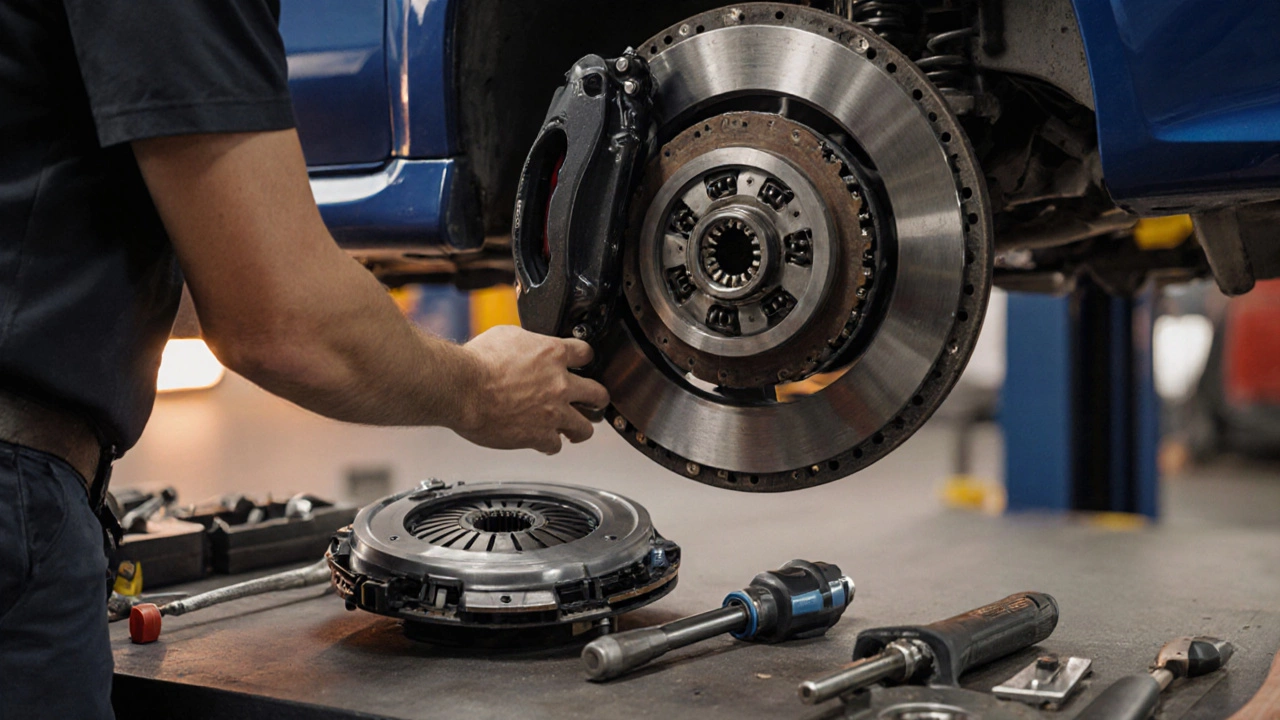
Stock Clutch: What It Is, How It Works, and When to Replace It
When you hear stock clutch, the original clutch system installed by the car manufacturer, designed to handle factory-rated power and driving conditions. Also known as original equipment clutch, it’s built to last—but not forever. In the UK, where stop-start city driving and heavy loads are common, even a well-made stock clutch can wear out faster than you expect. This isn’t just about slipping gears or strange smells. It’s about knowing when your clutch is failing before you get stranded or face a much bigger repair bill.
A clutch kit, a set of components that work together to connect and disconnect the engine from the transmission. Also known as clutch assembly, it typically includes the clutch disc, pressure plate, and release bearing. These parts don’t work in isolation. A worn release bearing can damage the pressure plate. A warped clutch disc can cause vibrations that stress the flywheel. That’s why mechanics often recommend replacing the whole kit at once—even if only one part looks bad. Most UK drivers start seeing issues between 60,000 and 100,000 miles, but aggressive driving or towing can cut that in half.
The pressure plate, the component that squeezes the clutch disc against the flywheel using spring force. Also known as clutch cover, it’s the muscle behind the clutch’s job. If it loses tension, the clutch slips under load—especially when accelerating hard or climbing hills. You might notice the engine revs rising without matching speed. That’s not just bad fuel economy—it’s a sign the pressure plate is failing. And if you hear a grinding noise when shifting, that’s usually the release bearing, the part that pushes against the pressure plate when you press the pedal. Also known as throw-out bearing, it wears out from constant friction and can seize if ignored. A bad release bearing doesn’t just make noise—it can lock up and destroy the clutch fork or even the transmission input shaft.
Most people don’t check their clutch until something goes wrong. But you don’t need a mechanic to spot early warning signs. Does the pedal feel spongy or higher than usual? Does the car shudder when you pull away from a stop? Is there a burning smell after heavy use? These aren’t normal. They’re clues. And if you’re shopping for parts, knowing what’s inside a stock clutch kit helps you avoid overpaying or buying the wrong thing. You might find a used clutch at auction that’s still in good shape—especially from low-mileage cars or those used for light driving. But if you’re replacing it, go for a full kit. Replacing just the disc is like changing your tires but leaving the worn rims.
Whether you’re fixing your own car or looking for parts at auction, understanding how the stock clutch works gives you real power. It helps you ask the right questions, spot dodgy listings, and avoid being upsold on unnecessary repairs. Below, you’ll find real-world guides on clutch symptoms, replacement costs, and how to tell if a used clutch is worth buying. No fluff. Just what you need to know before you bid or break out the tools.