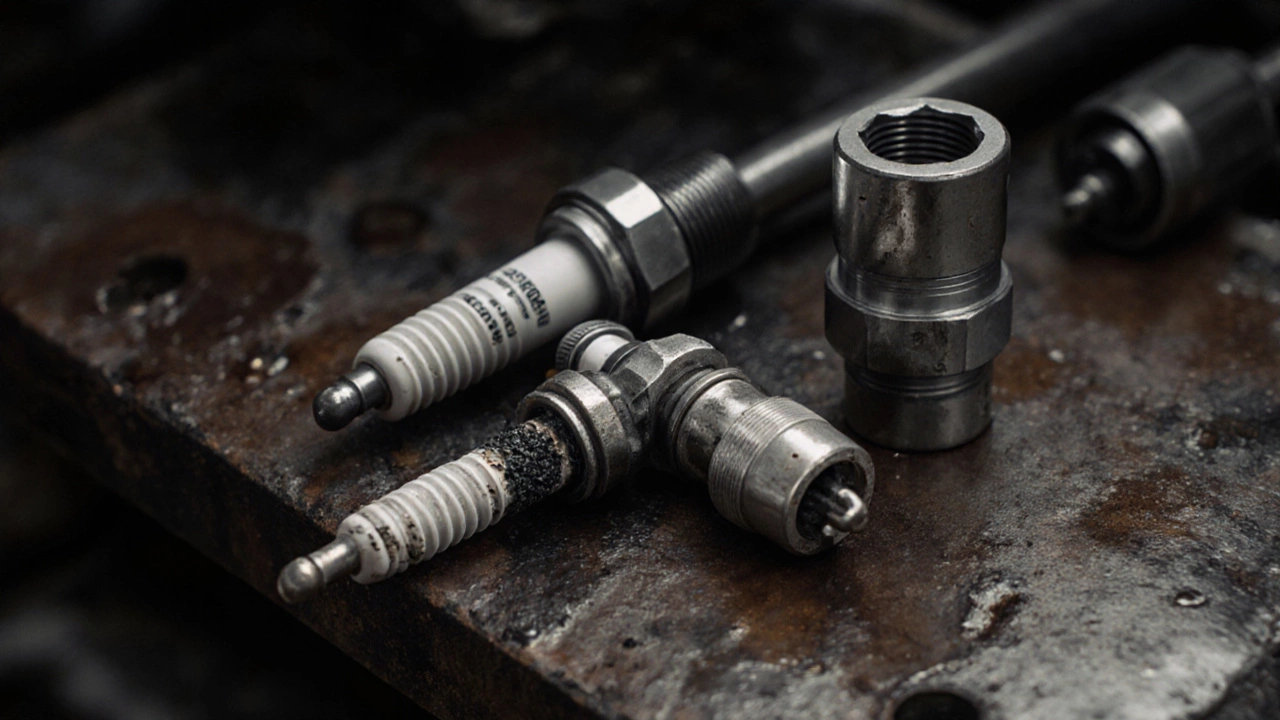
Spark Plug Change: Signs, Lifespan, and How to Do It Right
When your car sputters, stalls at idle, or loses power on the highway, the culprit is often a spark plug, a small but critical component that ignites the fuel-air mixture in your engine’s cylinders. Also known as an ignition plug, it’s one of the few parts in your car that fires thousands of times per minute — and when it fails, your engine knows it. Most drivers don’t think about spark plugs until something goes wrong, but they’re not meant to last forever. Even if your car runs fine, worn spark plugs silently drain fuel efficiency, increase emissions, and strain your ignition system.
There are three main types of spark plugs you’ll find in UK cars: copper, platinum, and iridium. Copper plugs are the cheapest and usually need replacing every 20,000 to 30,000 miles. Platinum ones last longer — around 60,000 miles — while iridium, the most durable, can go up to 100,000 miles. But mileage isn’t the only factor. Stop-and-go traffic, short trips that don’t let the engine fully warm up, and poor fuel quality all speed up wear. If you’ve noticed a spark plug change is due but your car still starts, don’t wait. A failing plug doesn’t just hurt performance — it can damage your catalytic converter, which costs ten times more to replace.
Common signs you’re dealing with bad spark plugs include a rough idle, engine misfires, trouble starting, and a noticeable drop in fuel economy. You might also hear a knocking or pinging noise under acceleration. These aren’t just annoyances — they’re early warnings. A misfire means unburned fuel is entering your exhaust system, which overheats and kills the catalytic converter. And if you’ve ever pulled out a spark plug and seen it covered in oil or carbon, you’re not just dealing with a worn part — you might have a deeper issue like a leaking valve seal or rich fuel mixture.
Replacing spark plugs isn’t rocket science, but it’s not something you should guess at. Using the wrong type, over-tightening, or not cleaning the threads first can cause serious damage. Always check your owner’s manual for the correct gap and torque specs. Many UK drivers choose to do it themselves — it saves money and gives you a better feel for your car’s health. But if you’re unsure, a mechanic can check the condition of your plugs during a service and advise whether a change is needed now or can wait.
The posts below cover everything from spotting the early signs of failing spark plugs to understanding how long they really last based on your driving habits. You’ll find real-world advice from UK drivers who’ve been there — including what symptoms to watch for, how to choose the right plug for your car, and whether a DIY change is worth the effort. No fluff. No jargon. Just what you need to know before your next spark plug change.