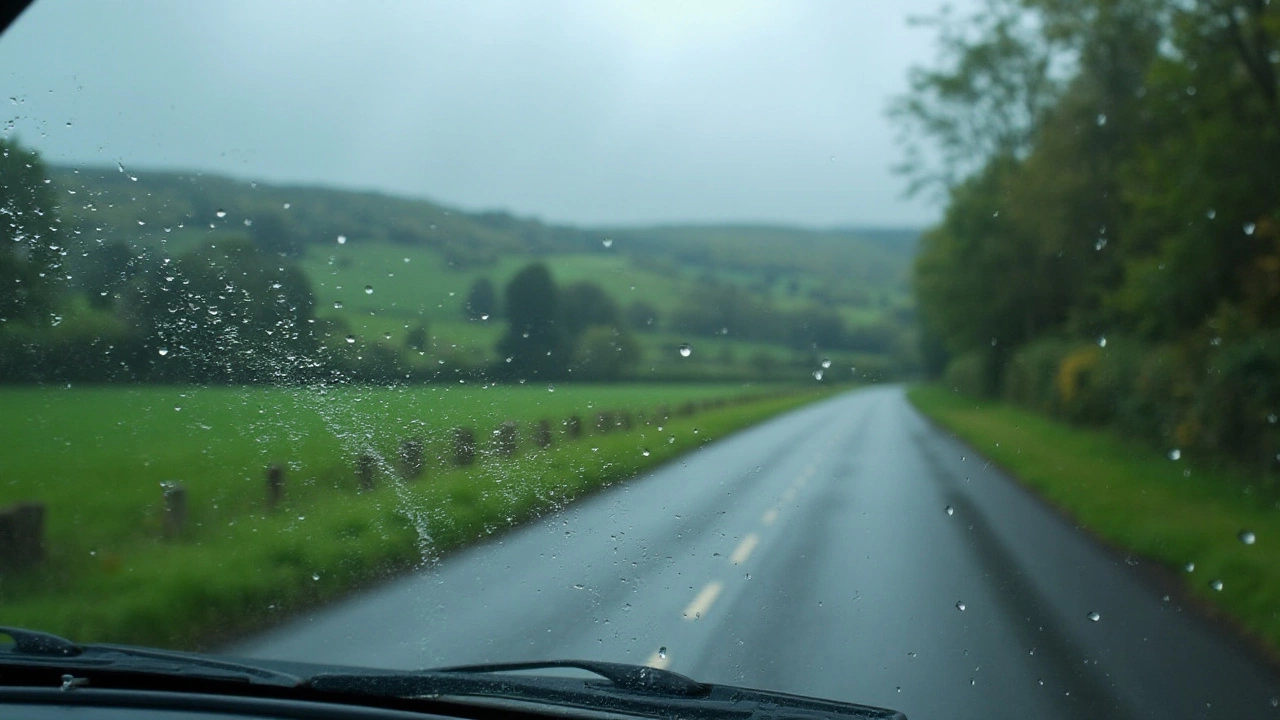
Rubber Wipers: How to Keep Your Windshield Clear and Safe
When your rubber wipers, the flexible strips that sweep water off your windshield. Also known as wiper blades, they're one of the most overlooked parts of your car—until you can't see the road. If they’re cracked, streaking, or skipping, you’re driving blind in bad weather. It’s not just about comfort—it’s safety. A good set of rubber wipers clears rain, snow, and dirt fast, so you can react to traffic, signs, and pedestrians. And yet, most people wait until their wipers are completely useless before replacing them.
What kills rubber wipers? Sun, heat, cold, and grime. UV rays make the rubber brittle. Road salt and dust scratch the surface. Even sitting idle for months can cause the rubber to harden and lose its curve. You don’t need fancy tools to check them—just spray water and flip the wipers up. Look for cracks, chunks missing, or a hard edge. If they leave smears or chatter, it’s time. Most last 6 to 12 months, but if you live in a sunny or snowy area, swap them every 6 months. windshield wipers, the entire assembly including the arm and rubber blade. Also known as wiper blades, they come in different shapes: beam, conventional, and hybrid. Beam blades are more aerodynamic and hold better contact on curved windshields. Hybrid blades combine the best of both. Don’t just buy the cheapest ones—cheap rubber tears faster and smears worse.
Keeping them clean helps. Wipe the rubber edge with a damp cloth and isopropyl alcohol every few months. Avoid using them on dry glass—it grinds dirt into the rubber. And never leave them up in freezing weather; ice can warp the metal arms. If you notice streaks after cleaning, it’s not the glass—it’s the rubber. Replacing them is quick and cheap. Most kits cost under £20 and take less than 10 minutes. You’ll notice the difference the next time it rains.
Below, you’ll find real-world guides on how to spot failing wipers, how to pick the right type for your car, and how to make them last longer. No fluff. Just what works.