Replace Air Filter: Signs, Benefits, and When to Do It
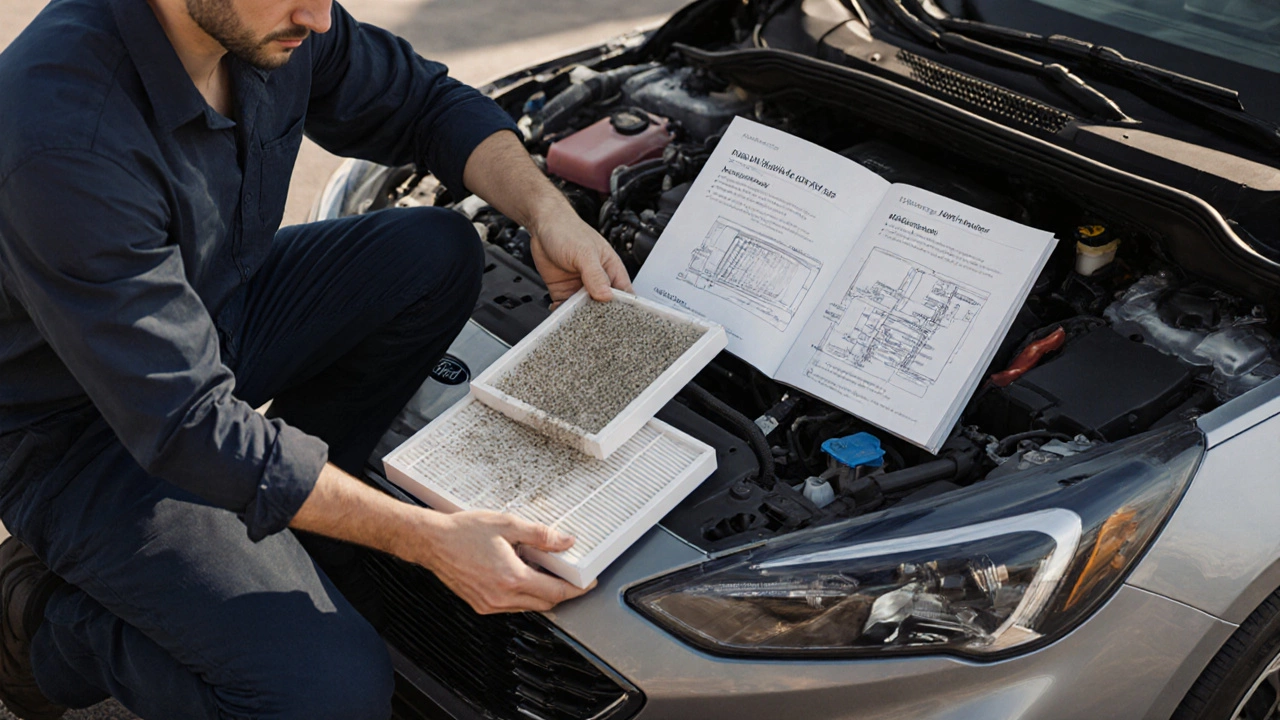
When you replace air filter, a simple maintenance task that keeps clean air flowing into your engine. Also known as air intake filter, it’s one of the few car parts you can check yourself in under five minutes—and one of the most overlooked. A dirty air filter doesn’t just reduce power; it makes your engine work harder, burns more fuel, and can even trigger check engine lights over time.
Think of your air filter like your lungs. If it’s clogged with dust, pollen, and road grime, your engine can’t breathe right. That’s why bad air filter symptoms, like sluggish acceleration, rough idling, or reduced fuel economy often show up before you even notice the filter is dirty. Many drivers wait until their car feels off, but by then, the damage is already happening. A clean filter improves engine performance, how efficiently your engine converts fuel into power and helps your car meet emissions standards. In the UK, where dusty roads and wet weather mix into thick mud, filters clog faster than you might expect.
Most manufacturers say to replace the air filter every 15,000 to 30,000 miles, but that’s just a guideline. If you drive mostly in city traffic, on gravel roads, or during pollen season, you might need to swap it out every 10,000 miles. You don’t need tools—just open the hood, pull out the old filter, and slip in the new one. It’s cheaper than a coffee at a motorway service station. And if you’re unsure, look for the signs: if your car hesitates when you press the gas, smells like fuel when idling, or suddenly drops miles per gallon, your air filter is probably the culprit.
What you’ll find below are real-world checks, common mistakes, and fixes from drivers who’ve been there. From how to spot a clogged filter without removing it, to why a high-flow filter might not be worth it for daily driving, these posts cut through the noise. No fluff. Just what works.