Performance Clutch: What It Is, How It Works, and When You Need One
When you hear performance clutch, a heavy-duty clutch system designed to handle higher engine torque and frequent hard shifts. Also known as upgraded clutch, it’s not just a stronger version of your stock clutch—it’s built for drivers who push their cars beyond normal limits, whether on track days, towing, or modified engines. Most factory clutches are made to last 80,000 miles under gentle driving, but if you’ve added a turbo, swapped the engine, or just like snapping through gears, that stock setup will slip, fade, or fail fast.
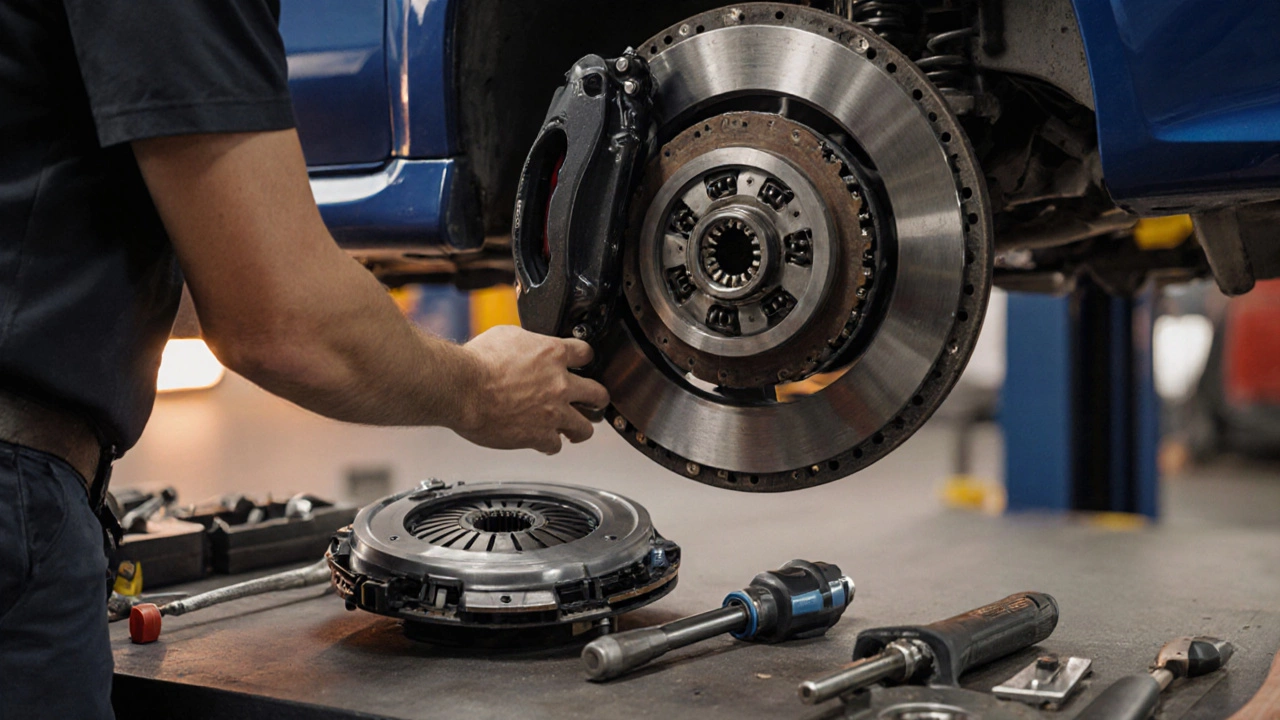
A clutch kit, a complete set of components that work together to connect and disconnect the engine from the transmission. Also known as clutch assembly, it typically includes three core parts: the clutch disc, the friction surface that grips the flywheel, the pressure plate, the spring-loaded component that clamps the disc down, and the release bearing, the part that disengages the clutch when you press the pedal. Performance versions use tougher materials like ceramic, carbon, or Kevlar instead of organic pads. They handle heat better, grip harder, and don’t wear out as quickly—even when you’re launching from a stoplight or dragging the clutch on a twisty road. But here’s the catch: stronger doesn’t always mean smoother. A high-performance clutch often feels stiffer, has less pedal travel, and can chatter or be noisy at low speeds. That’s why it’s not ideal for daily commuting unless you’re willing to trade comfort for control.
Many people upgrade their clutch without realizing they need to check the flywheel, too. A worn or warped flywheel will ruin a new clutch in weeks. If your car’s over 60,000 miles and you’re replacing the clutch, it’s smart to resurface or replace the flywheel at the same time. You’ll save money in the long run and avoid having to pull the transmission twice. And if you’re buying parts from auction listings, make sure you know what’s included—some sellers offer just the disc, others bundle the full kit. Look for listings that mention OEM specs or aftermarket brands like Exedy, LUK, or AP Racing.
What you’ll find in the posts below are real-world guides from UK drivers who’ve been there: how to tell if your clutch is failing, what a 2-piece clutch kit actually contains, why a bad clutch can make your engine feel sluggish, and how to spot a failing release bearing before it leaves you stranded. No fluff. Just what works—and what doesn’t—when you need your car to hold up under pressure.