Mixing Oils: What Happens When You Combine Different Engine Oils
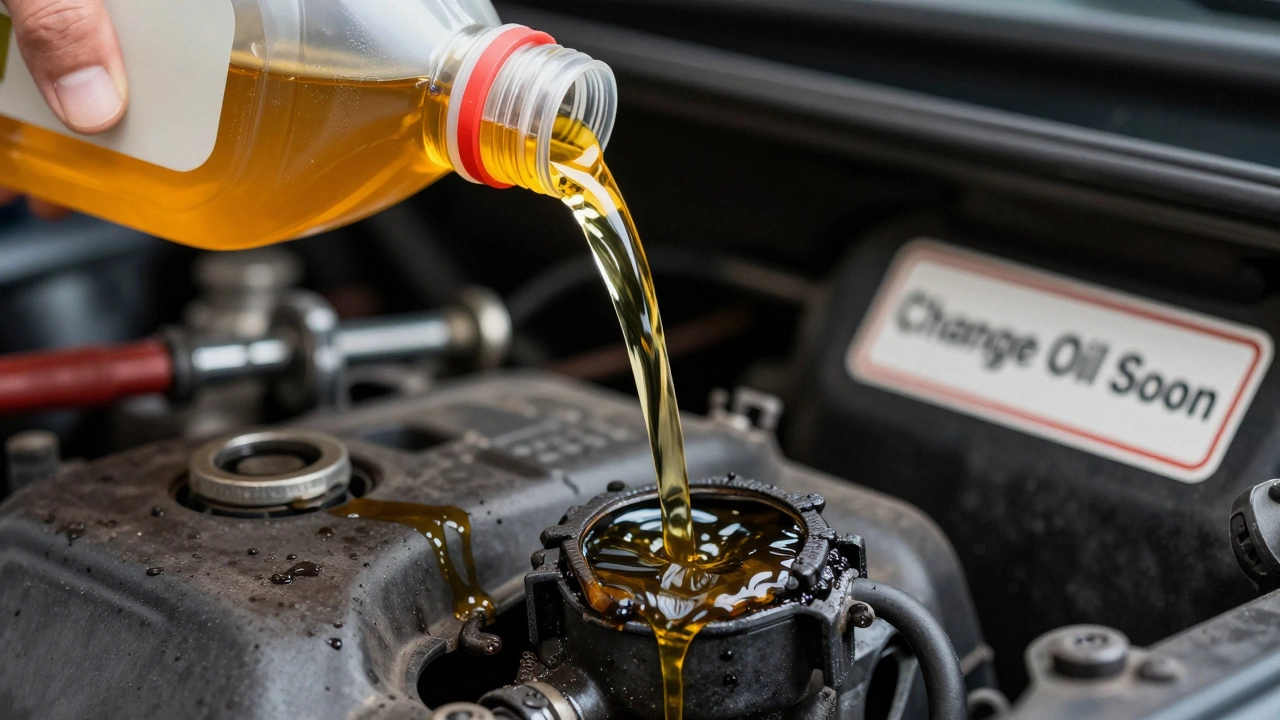
When you mixing oils, combining different types of engine lubricants in your car’s motor. Also known as blending motor oils, it’s something many drivers do without realizing the risks—or benefits. It sounds simple: you’re low on oil, you grab whatever’s nearby, and top up. But not all oils play nice together. The real issue isn’t just brand—it’s viscosity, base stock, and additives. Mixing synthetic and conventional oil might not blow up your engine right away, but it can weaken protection over time, especially under heat or heavy loads.
Oil viscosity, the thickness of the oil at different temperatures is critical. If you mix 5W-30 with 10W-40, you’re not creating a perfect middle ground—you’re creating unpredictable flow. Your engine needs oil to coat parts quickly on startup and stay thick enough under high heat. Wrong mix? That’s when you get more friction, faster wear, and maybe even sludge buildup. Then there’s synthetic oil, engine lubricant made from chemically engineered molecules for better performance and longevity. It’s designed to handle extreme temps and last longer. Mixing it with cheap conventional oil? You’re diluting its advantages. And conventional oil, standard mineral-based lubricant refined from crude oil, breaks down faster and doesn’t protect as well under stress. Even if your manual says "any API-certified oil," that doesn’t mean mixing is smart.
Some drivers swear they’ve mixed oils for years with no issues. And maybe they have. But that’s like saying you’ve driven with bald tires and never had a blowout—it’s luck, not science. Modern engines run tighter tolerances, higher pressures, and hotter temperatures. They need consistent, clean lubrication. Mixing oils introduces unknown variables. What if the additives in one oil neutralize the detergents in another? What if the friction modifiers clash? You won’t know until it’s too late—maybe when you hear a knock or see warning lights.
There’s one exception: emergency top-ups. If you’re stranded with no matching oil, adding a different type to get you to a garage is better than running dry. But don’t make it a habit. Change the oil as soon as possible. And always check your owner’s manual—not the guy at the gas station. The posts below cover what happens when you use the wrong oil, how to spot oil-related engine damage, and how to pick the right type for your car. No guesswork. Just clear, real-world advice from drivers who’ve been there.