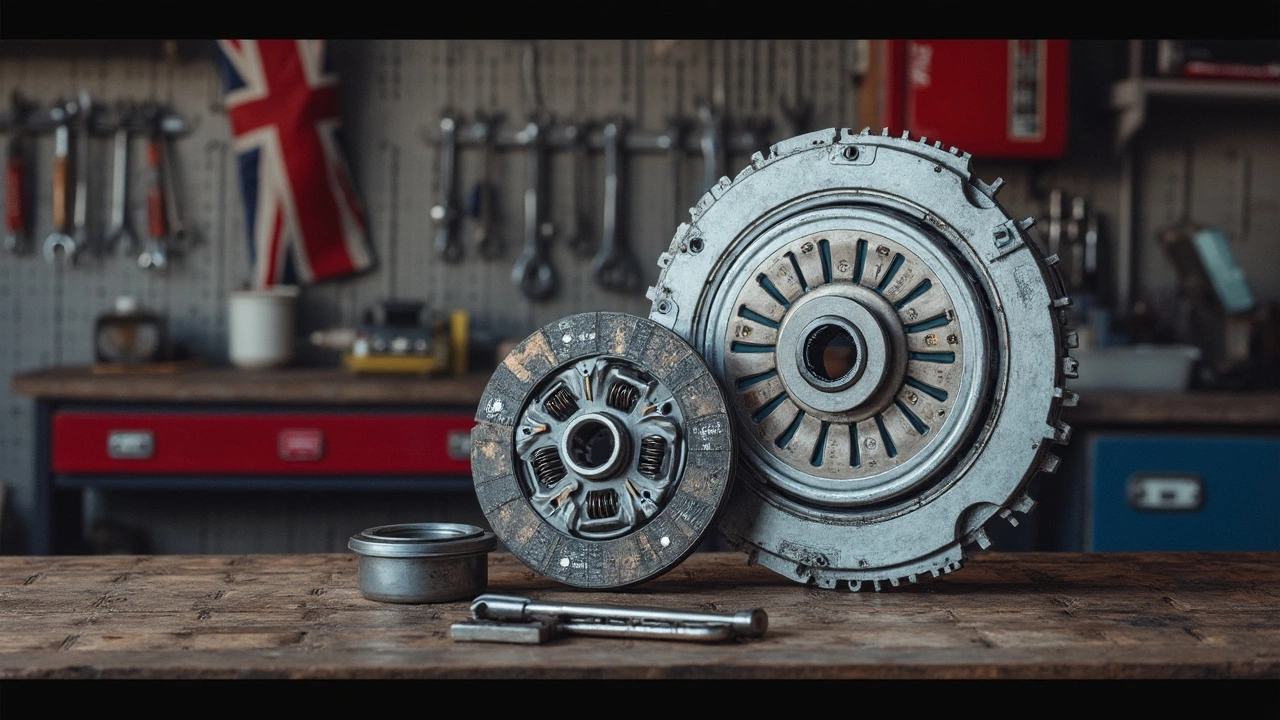
Mechanics: Essential Car Repair Tips for UK Drivers
When you think of mechanics, the skilled professionals who diagnose and fix vehicle problems. Also known as auto technicians, they keep your car running safely and efficiently. But you don’t need to wait for a mechanic to spot a problem. Many common issues—like worn brake pads, failing spark plugs, or a leaking radiator—show clear signs long before they break down completely. Knowing what to look for saves time, money, and stress.
Brake pads, the friction material that slows your car when you press the pedal wear out over time. In the UK, most need replacing by 30,000 miles due to stop-start traffic and wet roads. You don’t need tools to check them—just listen for squealing, feel for vibration, or look through the wheel spokes. Same with spark plugs, tiny components that ignite fuel in your engine. If your car sputters, idles rough, or loses fuel economy after 60,000 miles, new plugs are often the fix. Then there’s the radiator, the system that keeps your engine from overheating. Most last 8–15 years, but a leak or clog can turn a small repair into a total engine rebuild. And let’s not forget suspension, the parts that smooth out bumps and keep tires on the road. Worn struts don’t just make your ride noisy—they increase stopping distance and wear out tires faster.
These aren’t abstract concepts. They’re real, everyday parts that show up in over half the posts here. You’ll find step-by-step guides on checking brake pad thickness, spotting bad spark plug symptoms, and telling if your radiator’s about to fail. Some posts even break down whether replacing parts yourself actually saves money—or if it’s better to leave it to a pro. Whether you’re a weekend driver or someone who fixes their own car, this collection gives you the facts without the fluff. No jargon. No guesswork. Just what works.