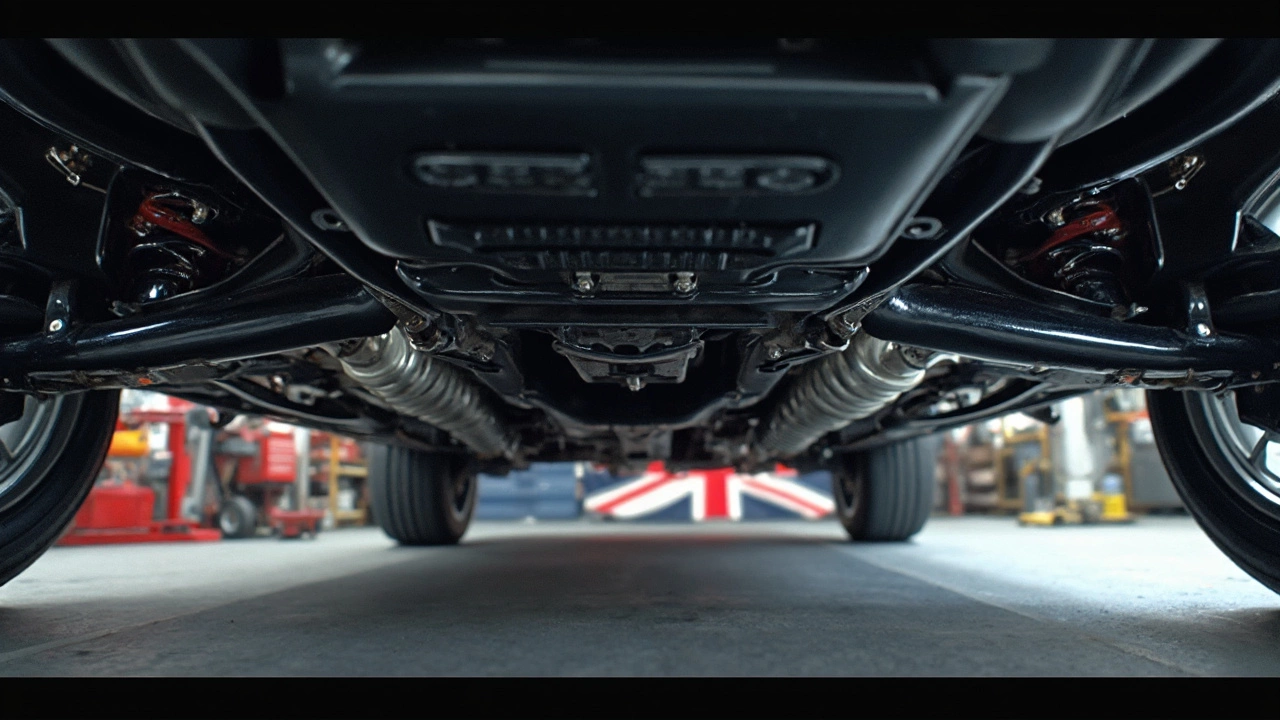
Improve Suspension: Signs, Fixes, and What You Need to Know
When your car feels bouncy, pulls to one side, or makes weird noises over bumps, it’s not just uncomfortable—it’s unsafe. The suspension, the system that connects your wheels to the car and absorbs road shocks. Also known as vehicle suspension system, it keeps your tires on the road, helps you stop faster, and makes driving smooth. If you’re noticing any of these issues, you’re not imagining it. Your suspension is telling you something needs fixing.
Most people think suspension problems only show up as a rough ride, but that’s just the start. Bad struts, the shock-absorbing components that control bounce and stability. Also known as shock absorbers, they wear out over time, especially in the UK’s patchy roads. When they go, your car bounces too much after hitting a bump, your tires wear unevenly, and your braking distance gets longer. Then there’s bent suspension, damage from potholes, curbs, or accidents that throws off alignment and handling. You might not see it, but your car will feel off—steering pulls, tires scrub, and you’ll notice vibrations you didn’t have before. These aren’t minor issues. Ignoring them risks tire damage, brake wear, and even loss of control.
Improving your suspension doesn’t always mean buying expensive parts. Sometimes it’s just replacing worn struts, getting an alignment, or fixing a bent control arm. Many drivers skip these checks until something breaks completely. But catching problems early saves money and keeps you safe. The posts below show you how to spot the warning signs, what tools you need for basic checks, and when it’s time to call a pro. Whether you’re dealing with noisy rides, uneven tire wear, or a car that feels like it’s floating, you’ll find clear, no-fluff advice here—no jargon, just what works.