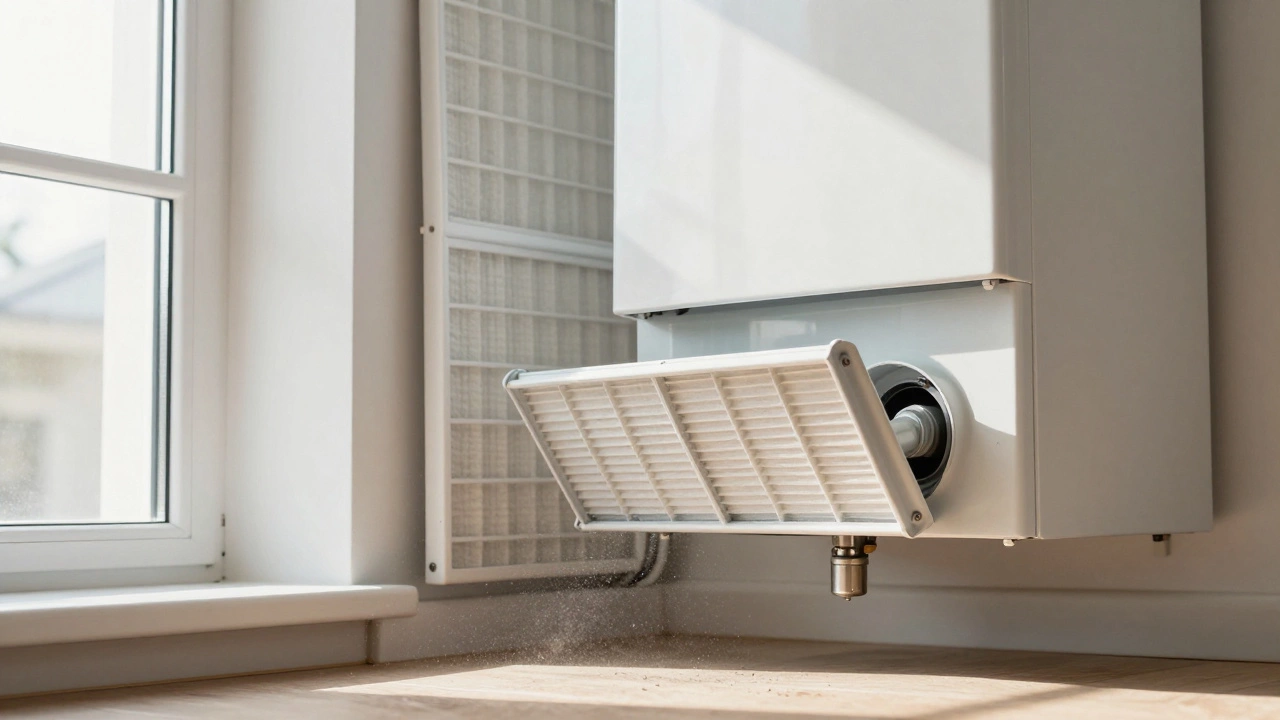
HVAC Filters: What They Are, How They Work, and When to Replace Them
When you turn on your car’s air conditioning or heater, you’re relying on the HVAC filter, a component that traps dust, pollen, and pollutants before they enter your cabin. Also known as a cabin air filter, it’s one of the most overlooked parts in your car—yet it directly affects how clean the air feels when you breathe inside. Most drivers don’t think about it until their windows fog up, the AC smells musty, or the airflow drops to a whisper. That’s when you realize this small filter is doing a big job.
HVAC filters aren’t just about comfort—they protect your lungs and your car’s system. A clogged filter forces the blower motor to work harder, which can lead to overheating or premature failure. It also lets more dust into the vents, which settles on your dashboard and can trigger allergies. If you’ve noticed your car’s air doesn’t feel as crisp as it used to, or if you’re sneezing more than usual on your commute, the filter is likely the culprit. The cabin air filter, a specific type of HVAC filter designed for passenger compartments is different from the engine air filter. Don’t confuse them. One cleans air for you; the other cleans air for the engine. Mixing them up is a common mistake that leads to poor performance.
Most manufacturers recommend replacing your HVAC filter every 12,000 to 15,000 miles, but if you drive in dusty areas, near construction, or on rural roads, you might need to swap it out every 6 months. Signs of a bad filter include reduced airflow, strange odors, foggy windows even with the defroster on, and increased dust buildup inside the car. Some filters have a pleated design to catch finer particles, while others include activated carbon to trap gases and exhaust fumes. Knowing which type your car uses matters—especially if you’re buying a replacement. You can find the right one using your VIN, your owner’s manual, or by checking the old filter itself.
Replacing it is usually simple. No tools needed in most cars. Just pop open the glovebox or remove a panel under the dashboard, slide out the old one, and slide in the new. It takes less than ten minutes. Skip this step, and you’re not just risking air quality—you’re risking your AC system’s longevity. The bad air filter symptoms, like weak airflow and musty smells, are early warnings that your system is struggling. Fix it now, and you’ll avoid bigger repairs later.
The posts below cover everything you need to know about HVAC filters—from how to pick the right one for your car, to spotting the signs they’re failing, to comparing different filter types. You’ll also find related guides on cabin air quality, how AC systems interact with engine cooling, and why ignoring small filters can lead to big problems. Whether you’re a daily commuter or just want cleaner air on your drives, these real-world tips will help you keep your car’s breathing system in good shape.