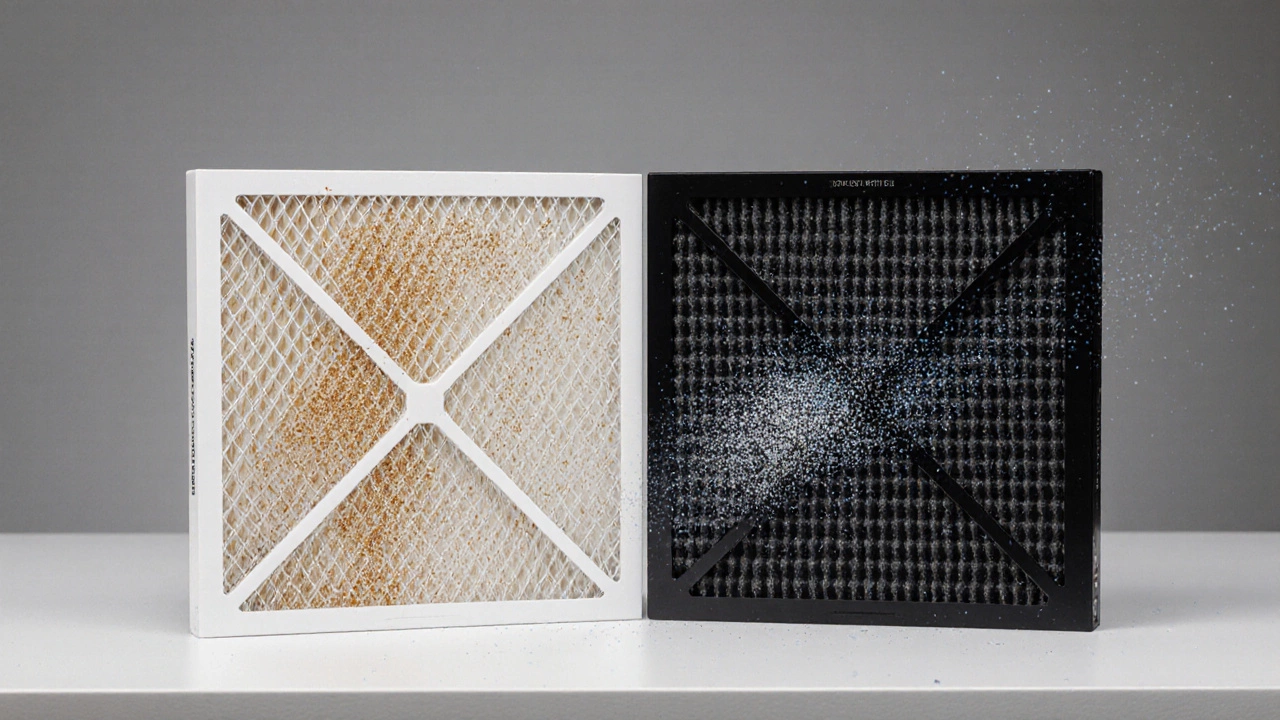
Home Air Filtration: What You Need to Know About Car Cabin Air Filters
When people talk about home air filtration, the system that cleans air inside your vehicle’s cabin. Also known as cabin air filter, it’s the unsung hero keeping dust, pollen, and exhaust fumes out of your breathing space while driving. This isn’t just about comfort—it’s about health. If you’ve ever sneezed on a highway drive or noticed a musty smell when you turn on the AC, your cabin air filter is probably clogged.
The cabin air filter, a small but critical component in your car’s HVAC system works like a sieve, trapping pollutants before they reach your lungs. It’s not the same as the engine air filter, which feeds clean air to the engine. Confusing the two is common, but mixing them up can cost you in performance and repair bills. A dirty cabin filter won’t hurt your engine, but it will make your AC weaker, your defroster slower, and your nose miserable. Over time, mold and bacteria can grow in the damp housing, turning your car into an airborne allergen factory.
Most manufacturers say replace it every 15,000 to 30,000 miles, but if you drive in cities, near construction, or on dusty roads, you might need to swap it every 10,000 miles. Signs you’re overdue? Reduced airflow from vents, foggy windows even on dry days, or that stale odor that won’t go away—even after cleaning the interior. These aren’t just annoyances; they’re warnings. A blocked filter forces your blower motor to work harder, which can lead to premature failure. And if you’ve got allergies, asthma, or kids in the back seat, a clean filter isn’t optional—it’s essential.
Replacing it is usually simple. Most cars have the filter behind the glove box or under the dashboard. No tools needed in many models. You can buy the right one by checking your owner’s manual, using your VIN, or just matching the old one at a parts store. Skip the cheap no-name brands—they fall apart fast and leak dust back into the cabin. Stick with reputable names like Mann-Filter, K&N, or the OEM part your car came with.
What you’ll find below is a collection of real-world guides from drivers who’ve been there. From spotting bad air filter symptoms to choosing the right replacement, understanding how cabin filters affect your AC system, and even why a clogged filter can make your engine run worse (yes, it happens). These aren’t theory pieces. They’re fixes people actually used. Whether you’re trying to cut down on sneezing during your commute or just want your car to smell like a car again—not a gym sock—you’ll find practical steps here. No fluff. Just what works.