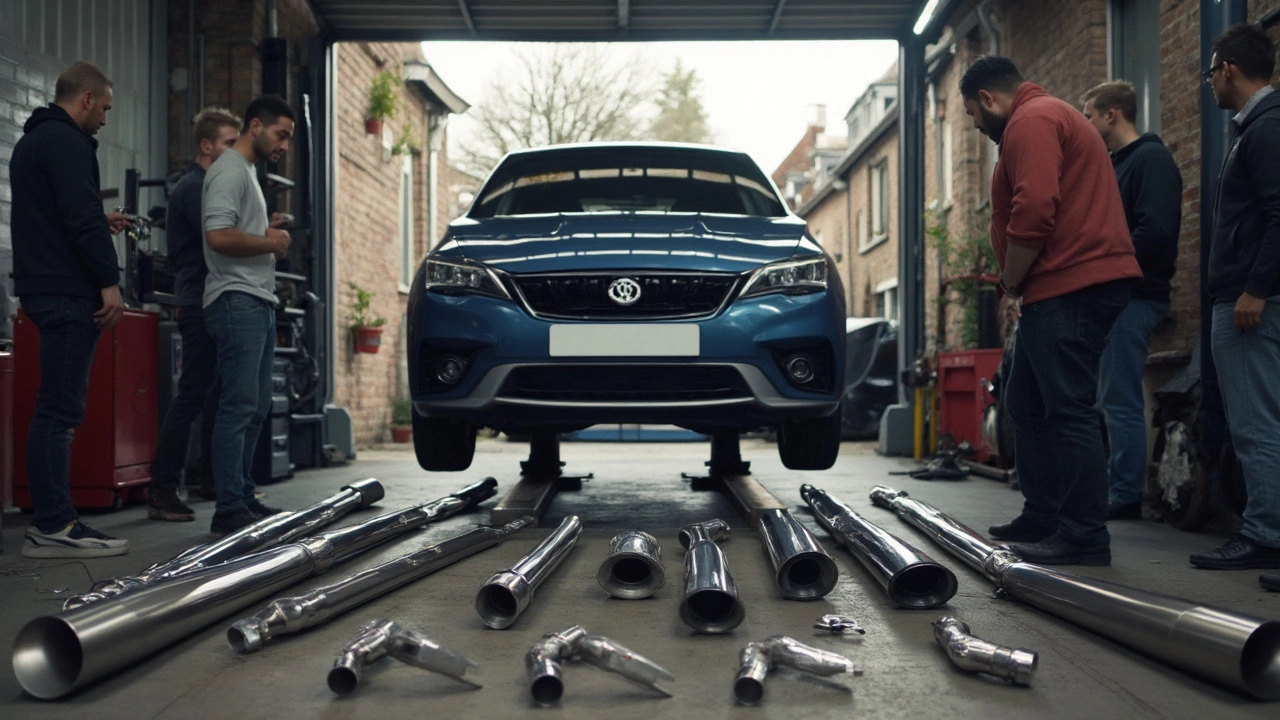
Exhaust Tips: What They Are, How They Work, and What to Look For
When you think of a car’s exhaust tips, the visible ends of a vehicle’s exhaust system that exit through the bumper or rear valance. Also known as exhaust outlets, they’re often the first thing people notice about a car’s rear end. But they’re not just chrome trim. Exhaust tips play a real role in how your car sounds, how efficiently it vents gases, and even how much power it makes—especially if you’ve modified the rest of the system.
They’re part of the larger exhaust system, the network of pipes, mufflers, and catalytic converters that channel engine gases out of the vehicle. A stock exhaust system usually has small, plain tips designed to minimize noise and meet emissions rules. But when you upgrade your muffler, headers, or cat-back system, the tips often change too. Bigger tips can improve airflow, reduce backpressure, and give your car a deeper, more aggressive tone. Some even have internal baffles to fine-tune the sound without adding extra noise pollution.
Not all exhaust tips are created equal. Single-wall stainless steel tips are affordable but can discolor over time. Double-wall tips look sharper and stay shiny longer. Flared tips give a bold, muscle-car look, while rolled-edge tips offer a cleaner, more subtle finish. And don’t forget size—tips that are too big for your exhaust flow can actually hurt performance. A 3-inch tip on a 2.5-inch pipe looks cool but won’t help. Match the tip diameter to your pipe size for real results.
People buy exhaust tips for three main reasons: looks, sound, and performance. If you want your car to look more aggressive, a set of black-coated or polished tips can make a big difference. If you hate the quiet drone of stock exhaust, bigger tips paired with a performance muffler can give you that satisfying rumble without being obnoxious. And if you’ve already tuned your engine, upgrading the tips is often the final touch to complete the system.
Some tips come with heat shields to protect your bumper from discoloration. Others are designed to fit specific models—like a BMW 3 Series or Ford Mustang—so you don’t have to cut or weld. You can find them as standalone upgrades or bundled with full exhaust kits. But remember: if your exhaust is leaking before the tips, new tips won’t fix it. Always check the whole system first.
And here’s something most people miss: exhaust tips can affect resale value. A clean, matching set on a well-maintained car adds appeal. But cheap, mismatched, or rusted tips? They scream "neglected"—even if the rest of the car is spotless. That’s why so many sellers on UK car auctions swap out worn tips before listing.
Below, you’ll find real guides from drivers who’ve been there. From how to install tips yourself to what materials last the longest in UK weather, these posts cut through the hype. You’ll see what actually works, what’s just for show, and how to avoid wasting money on upgrades that don’t deliver.