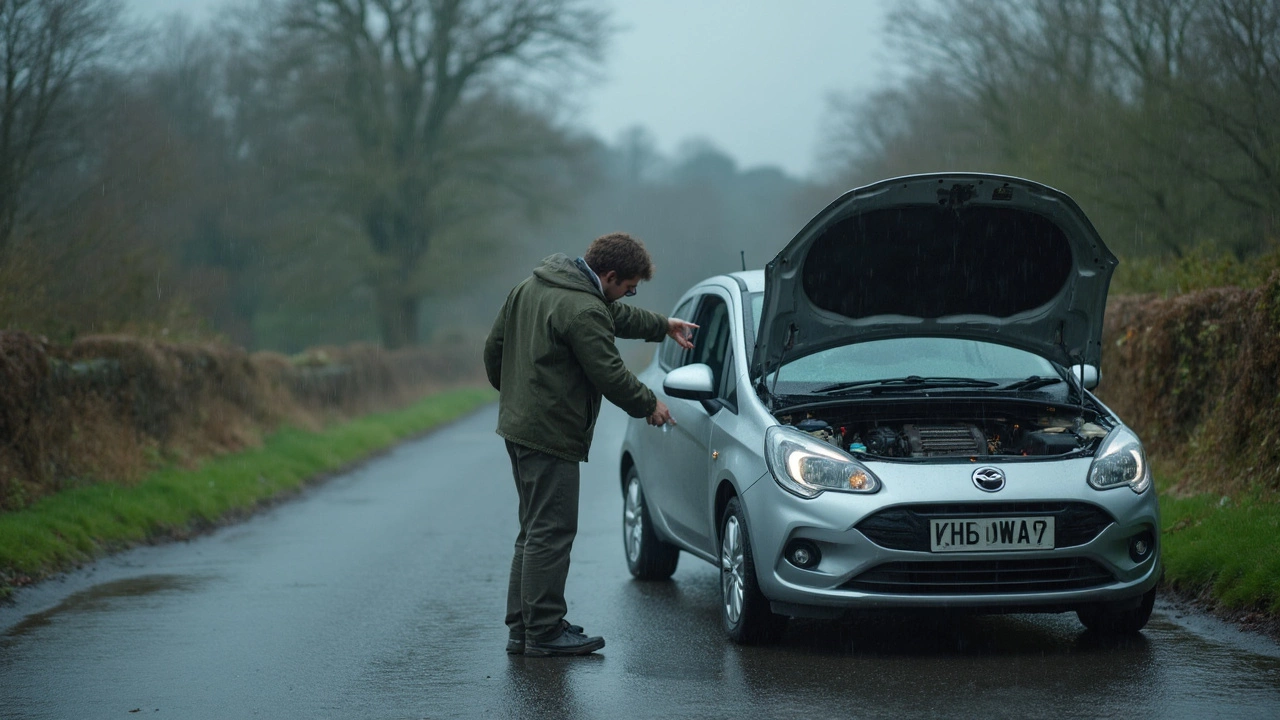
Drive with Broken Clutch: Signs, Risks, and What to Do Next
When you try to drive with a broken clutch, a condition where the clutch disc, pressure plate, or release mechanism fails to engage or disengage the engine from the transmission. Also known as clutch failure, it turns your car into a rolling hazard—especially in traffic or on hills. This isn’t just about inconvenience. A failing clutch doesn’t just make shifting hard; it can leave you completely stranded, damage your gearbox, or even cause a collision if it fails while accelerating.
Most people don’t realize how much their clutch is working until it stops. If your car revs but doesn’t move, or if you hear grinding when shifting, you’re already in trouble. A broken clutch means the engine’s power can’t transfer to the wheels properly. That’s why you might feel the engine surge while the car barely crawls forward. It’s not a fuel issue. It’s not a bad transmission fluid level. It’s the clutch itself giving out. And if you keep driving, you’ll fry your flywheel, warp the pressure plate, or destroy the input shaft—all expensive repairs that could’ve been avoided with early action.
Common signs you’re dealing with a failing clutch include a spongy or sticking pedal, slipping gears under load, or a burning smell coming from under the hood. These aren’t vague warnings—they’re clear signals that the friction material on the clutch disc is worn thin or the hydraulic system has leaked. If you’ve noticed any of these in the last few weeks, you’re not just driving with a broken clutch—you’re gambling with your safety and your wallet. The good news? You don’t need to guess. The posts below show you exactly how to spot the problem early, what parts are most likely to fail, and how to fix it without overpaying. Whether you’re checking your own car or shopping for a used vehicle at auction, knowing these signs saves you from buying a ticking time bomb.