Clutch Maintenance: How to Keep Your Clutch Lasting Longer
When you press the clutch pedal, you’re engaging a critical part of your car’s drivetrain — the clutch, a mechanical component that connects and disconnects engine power from the transmission. Also known as a friction disc system, it’s built to last tens of thousands of miles, but poor driving habits and neglect can turn it into a costly repair in just a few years. Unlike brake pads that wear visibly, clutch wear happens slowly and often goes unnoticed until it’s too late. A slipping clutch, grinding gears, or a pedal that feels spongy aren’t just annoyances — they’re warnings your clutch is failing.
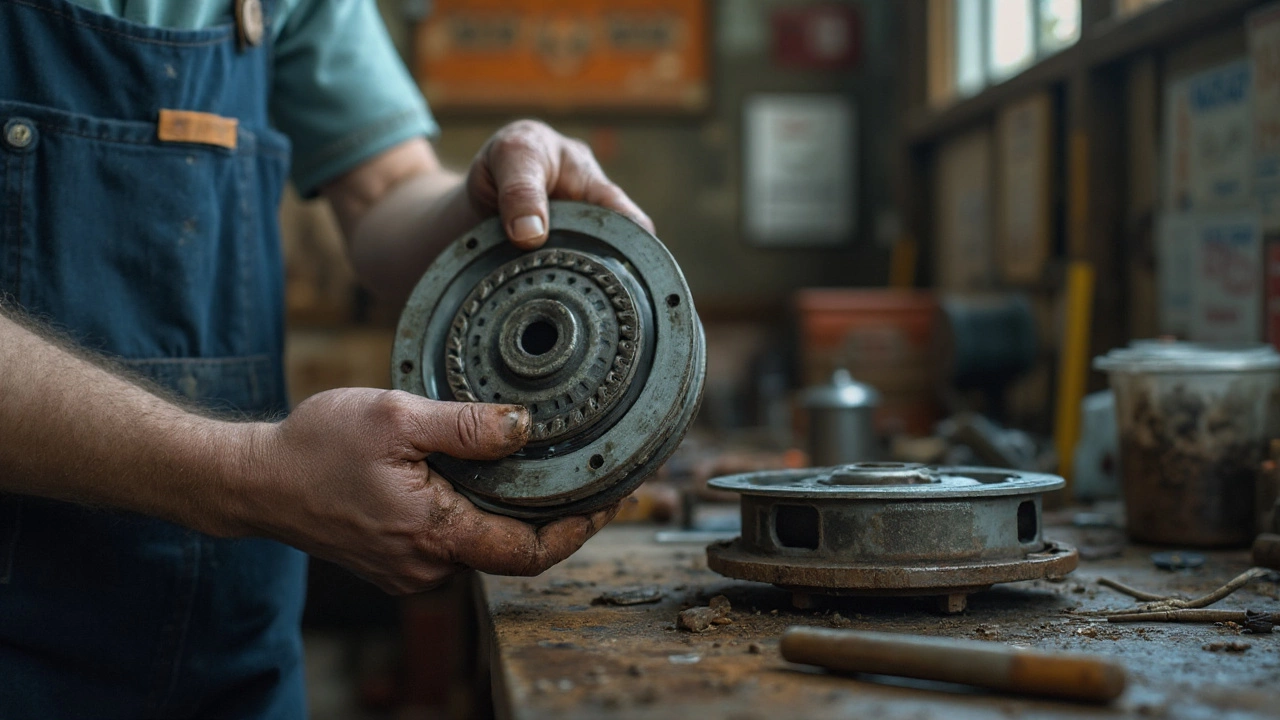
Clutch maintenance isn’t about regular oil changes — it’s about how you drive. Riding the clutch, resting your foot on the pedal, or popping the clutch to launch from a stop all speed up wear. The clutch kit, the complete set of parts including the disc, pressure plate, and release bearing is designed to handle normal use, but aggressive driving or towing heavy loads without upgrading the system puts extra stress on it. If you’ve added power to your car, a standard clutch won’t last. A stage 1 clutch, a stronger version built for modest performance upgrades is a smart move for tuned cars, but even then, you still need to treat it right.
Knowing the symptoms saves money. If your car revs higher than usual without speeding up, or if you smell burning when pulling away uphill, your clutch is slipping. A heavy pedal or one that engages too high or too low means the cable or hydraulic system is out of alignment. These aren’t guesswork issues — they’re clear signs documented by mechanics across the UK. Clutch failure doesn’t happen overnight, but ignoring early signs will force you into a full replacement sooner than needed.
There’s no magic schedule for clutch replacement — it depends on your driving style, your car, and your roads. City driving with constant stop-and-go wears clutches faster than highway cruising. If you drive a manual in London traffic, expect to replace it around 50,000 to 70,000 miles. In rural areas with fewer stops, it might last 100,000. But the real key isn’t mileage — it’s awareness. Listen, feel, and watch for changes. A clutch that’s going bad won’t scream — it’ll whisper. And if you miss the whisper, you’ll pay for the shout.
What follows are real-world guides from drivers and mechanics who’ve been there. You’ll find clear breakdowns of what’s inside a clutch kit, how to spot a failing clutch before it leaves you stranded, and why some people upgrade to performance clutches even for daily driving. No fluff. Just what works.