Clutch Kit: What’s Inside and When to Replace It
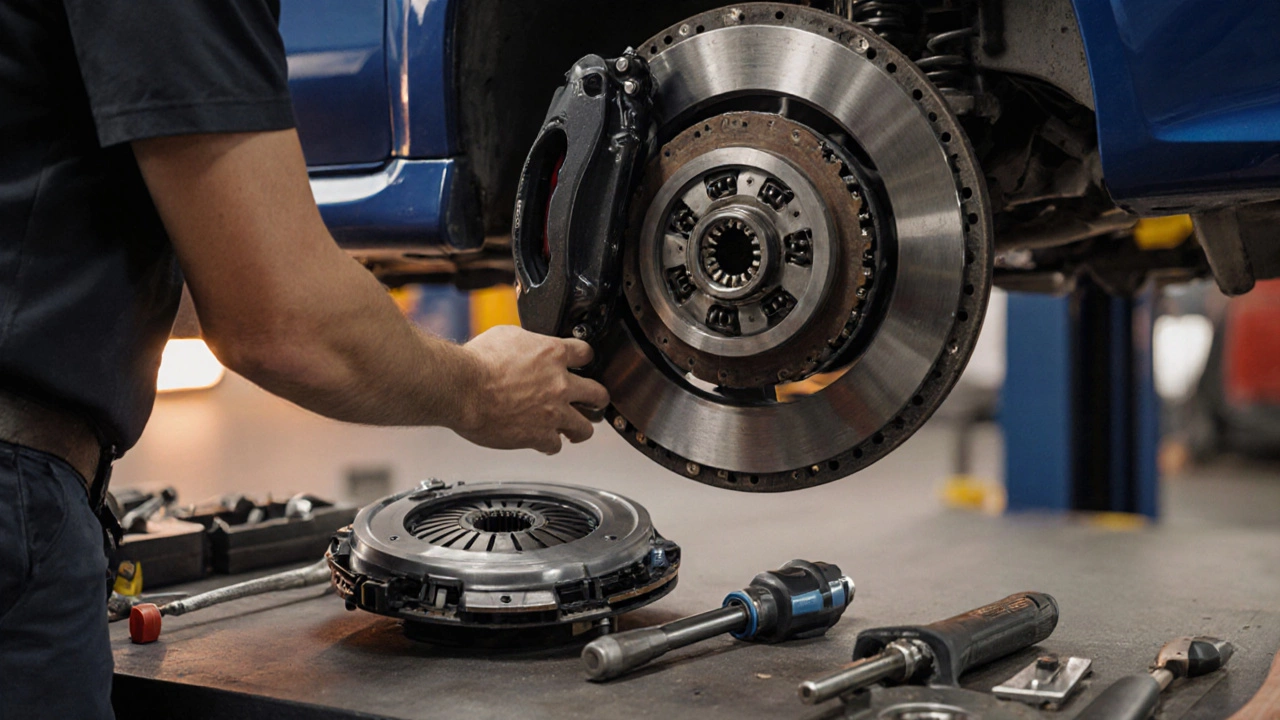
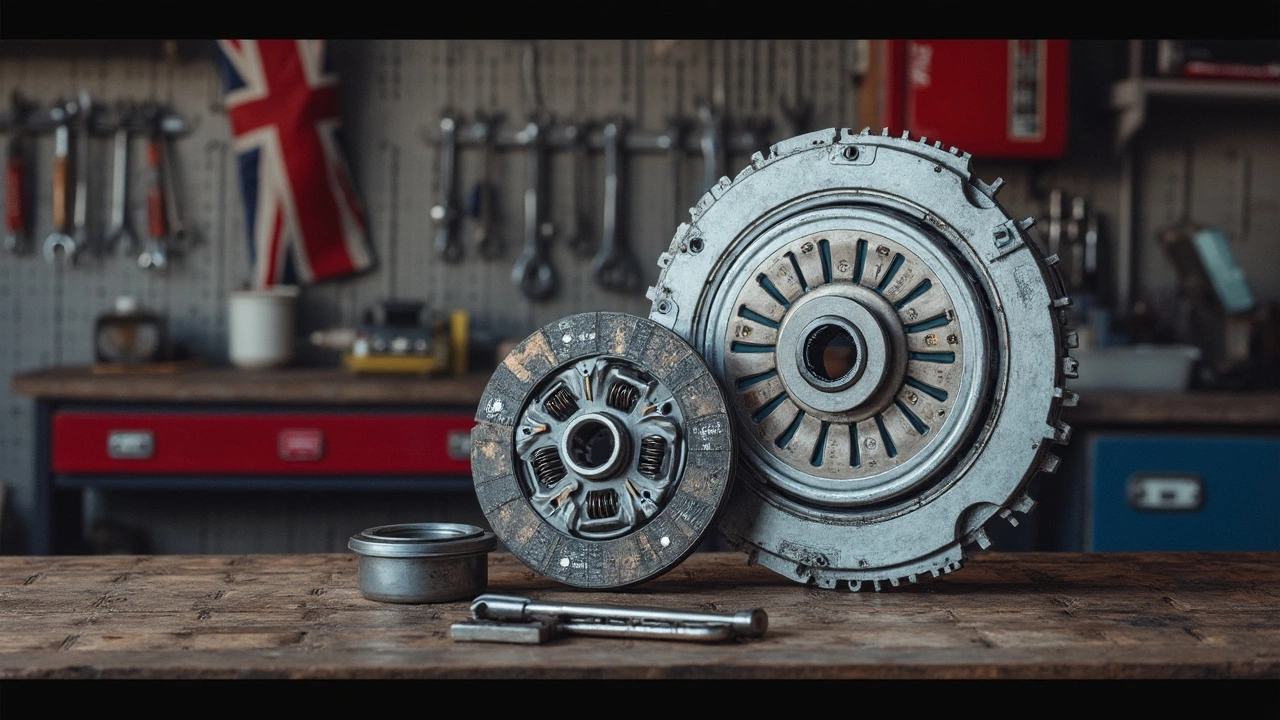
When you press the clutch pedal, you’re relying on a clutch kit, a set of components that connects your engine to the transmission so power gets to the wheels smoothly. Also known as a clutch assembly, it’s one of those parts you never think about—until it fails. Without it, shifting gears would be impossible, and your car would either stall or lurch forward like a drunk driver. Most clutch kits include three core parts: the clutch disc, the friction surface that grips the flywheel and transfers engine power, the pressure plate, the spring-loaded clamp that squeezes the disc against the flywheel, and the release bearing, the part that pushes against the pressure plate when you step on the pedal. Some kits add a pilot bearing or alignment tool, but these three are the essentials.
Clutch kits don’t last forever. In the UK, most drivers get 60,000 to 100,000 miles out of one, but aggressive driving—like riding the clutch at traffic lights or popping the clutch on hill starts—can cut that in half. You’ll know it’s wearing out if your car slips when accelerating, especially uphill, or if the pedal feels spongy or needs to be pressed all the way to the floor. Strange noises—grinding, chirping, or clunking—when shifting are another red flag. If your clutch is failing, you’re not just risking a breakdown; you’re putting extra strain on your gearbox, which costs far more to fix than a clutch kit. That’s why many mechanics recommend replacing the entire kit at once, not just the disc. The pressure plate and release bearing wear at the same rate, and reusing them means you’ll be back in the garage sooner.
There’s no magic mileage when every clutch dies—it depends on how you drive, what kind of car you have, and even the weather. Heavy stop-and-go traffic in cities like London or Manchester wears clutches faster than motorway cruising. And if you tow trailers or carry heavy loads regularly, your clutch is working overtime. That’s why you’ll find so many posts here about clutch symptoms, replacement costs, and DIY tips. Some people try to stretch it out, hoping to avoid the bill. Others replace it early, just to be safe. Either way, knowing what’s inside your clutch kit helps you ask the right questions, spot scams, and avoid overpaying. Below, you’ll find real-world guides on how to tell if your clutch is failing, what’s included in a 2-piece kit versus a 3-piece one, and how to decide if you can do it yourself—or if it’s better left to a pro.