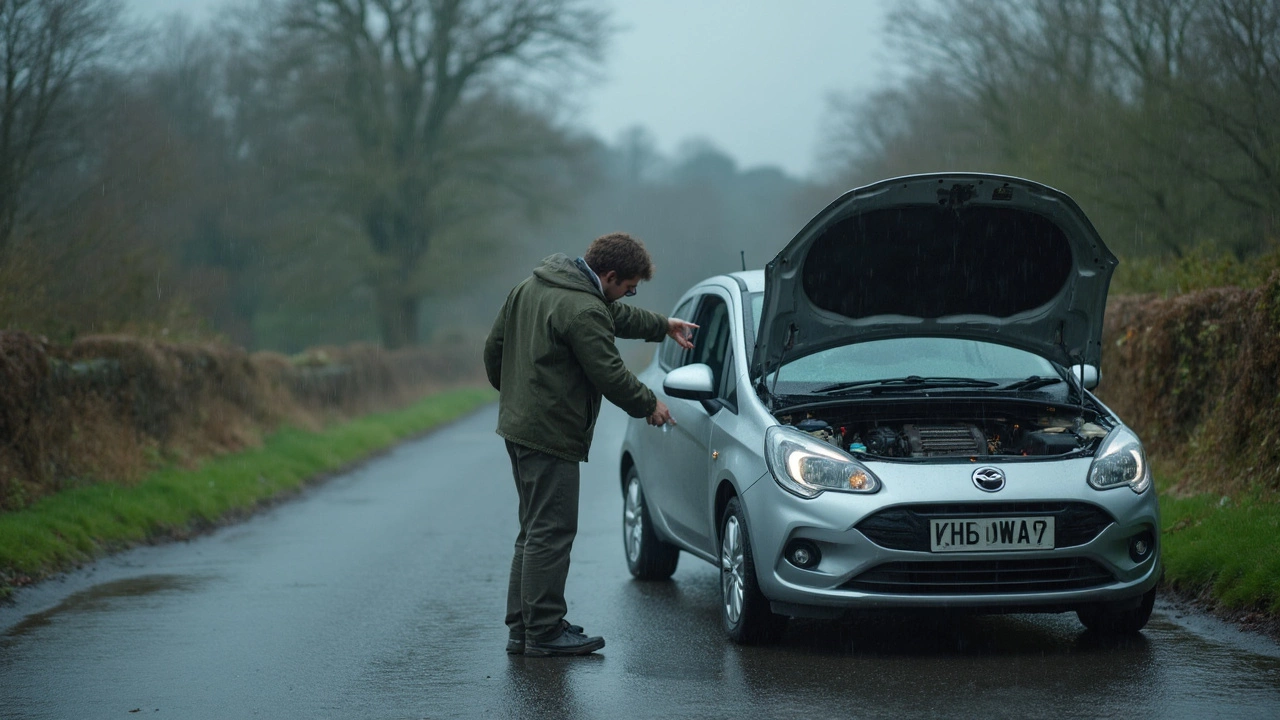
Clutch Failure: Signs, Causes, and What to Do Next
When your clutch failure, a breakdown in the connection between engine and transmission that stops power from reaching the wheels. Also known as clutch slippage, it’s not just an inconvenience—it’s a safety risk that can leave you stranded or cause damage to your gearbox. If you’ve ever felt your engine revving but your car doesn’t accelerate, or heard a grinding noise when shifting, you’re not imagining it. That’s clutch failure in action.
Clutch failure doesn’t happen overnight. It’s usually the result of clutch wear, gradual thinning of the friction material on the clutch disc from constant use, especially in stop-and-go traffic. Heavy loads, aggressive driving, or riding the clutch pedal—even slightly—speeds this up. Over time, the pressure plate loses its grip, the release bearing wears out, or the flywheel gets scored. These aren’t just parts; they’re a system. When one fails, the others follow. A clutch kit, a bundled set of components including the disc, pressure plate, and release bearing, designed for full replacement is often the only real fix. Replacing just one piece rarely solves the problem long-term.
You don’t need a mechanic to spot the warning signs. If your car hesitates when you press the gas after shifting, or if you smell burning after heavy use, your clutch is sending a message. A spongy or overly high clutch pedal? That’s air in the hydraulic line or a worn master cylinder. If the car won’t go into gear when the engine’s running, even with the pedal fully pressed, the clutch isn’t disengaging. These aren’t guesses—they’re common, documented failures that show up again and again in UK garages and auction lots. And here’s the thing: a failing clutch doesn’t just hurt your drive—it drops your car’s value fast. Buyers at auctions know this. They’ll lowball you if they see signs of clutch wear.
That’s why the posts below matter. They don’t just talk about clutch kits or how to replace them. They show you how to spot trouble before it’s too late, how to tell if you need a full replacement or just an adjustment, and what to look for when buying a used car with a clutch history. You’ll find real advice on diagnosing symptoms, understanding what’s inside a 2-piece clutch kit, and how to avoid paying for repairs you don’t need. No fluff. No jargon. Just what actually happens when your clutch gives out—and how to handle it without getting ripped off.