Car Troubleshooting: Fix Common Car Problems Yourself
When your car starts acting up, car troubleshooting, the process of identifying and fixing mechanical issues without immediately heading to the garage. Also known as vehicle diagnostics, it’s not about being a mechanic—it’s about knowing what to look for when something feels off. Most drivers wait until their car won’t start or makes scary noises, but smart ones catch problems early. You don’t need fancy tools or years of training. Just a little attention and the right signs to watch for.
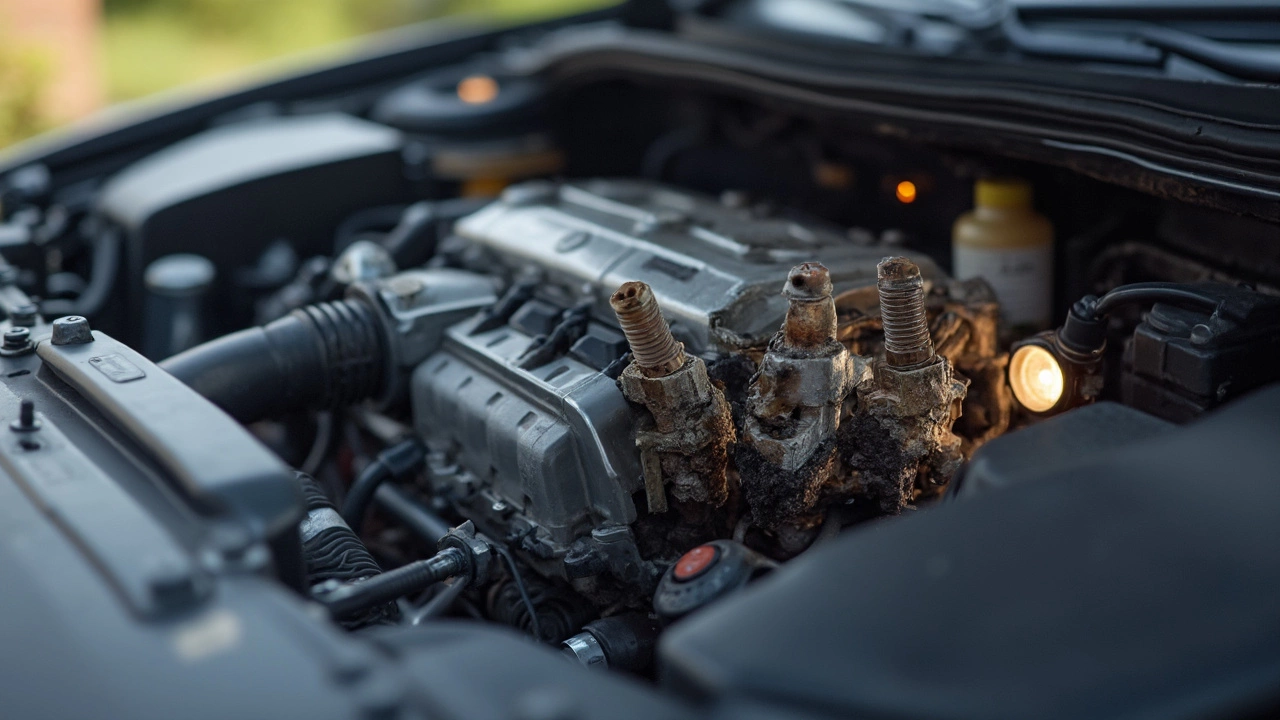
Take brake pads, the friction material that presses against your rotors to stop your car. When they wear down, you’ll hear a high-pitched squeal, feel a vibration in the pedal, or notice your car takes longer to stop. Most UK drivers replace them around 30,000 miles, but ignoring the signs can damage your rotors—costing you three times as much. Then there’s spark plugs, tiny components that ignite fuel in your engine. If they’re failing, your car might misfire, idle roughly, or lose fuel efficiency. It’s not magic—it’s physics. And if your engine sputters on the highway or won’t turn over after sitting overnight, that’s often a fuel pump failure, when the pump can’t push gas from the tank to the engine. You’ll hear a whining noise, feel hesitation during acceleration, or get stranded with no warning.
And don’t overlook your suspension. bad struts, the parts that absorb bumps and keep your tires planted, can make your ride bouncy, cause uneven tire wear, and even increase your stopping distance. A car with worn struts doesn’t just feel uncomfortable—it’s unsafe. These aren’t random issues. They’re predictable, common, and often avoidable if you know what to check.
The posts below give you the exact steps to spot these problems before they cost you hundreds—or worse, leave you stranded. You’ll find clear, no-fluff guides on checking brake pad thickness, recognizing spark plug symptoms, testing your fuel pump, and diagnosing suspension issues. No jargon. No guesswork. Just what you need to know to fix it yourself or know when it’s time to call a pro. Whether you’re a weekend driver or someone who relies on your car every day, these are the checks that save money, time, and stress.