Car Tires: Lifespan, Signs of Wear, and When to Replace Them
When you think about your car’s safety, car tires, the only part of your vehicle that touches the road. Also known as tyres, they’re not just rubber—they’re your connection to control, braking, and stability. Most drivers don’t realize how much their tires affect everything from fuel economy to accident risk. A worn tire can double your stopping distance on wet roads, and an underinflated one can overheat and blow out without warning.
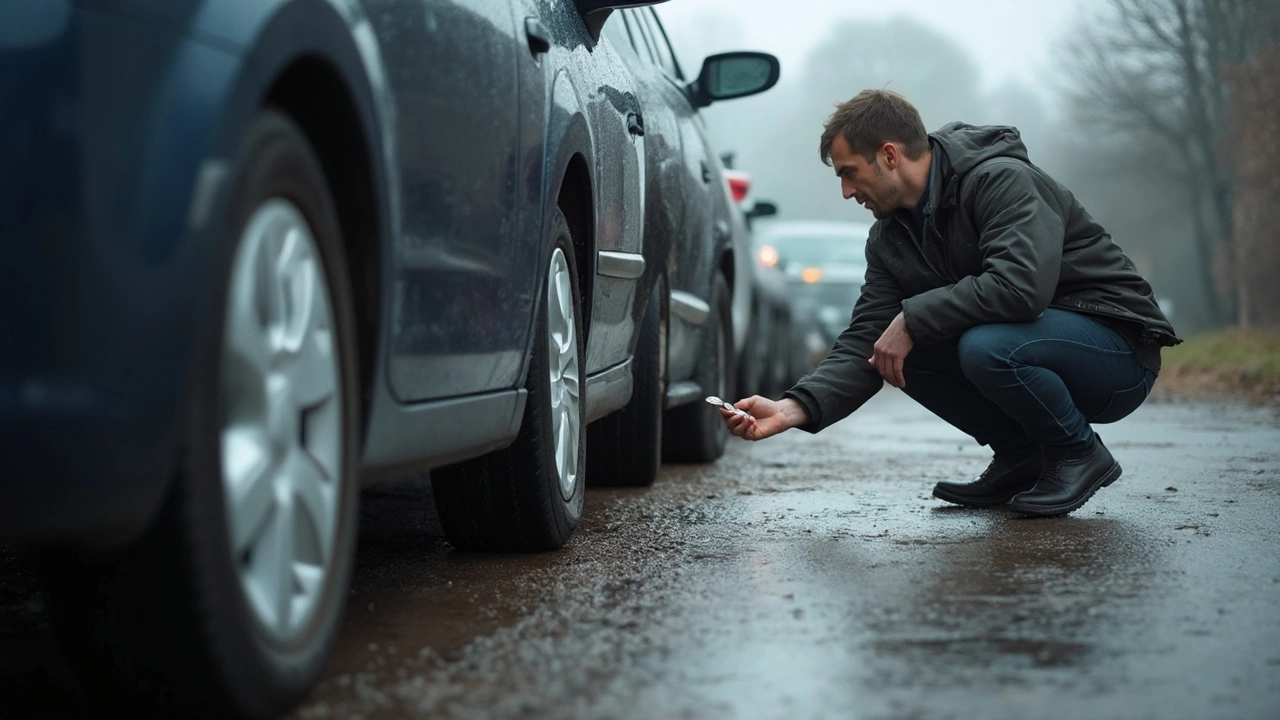
Car tires don’t just wear out from mileage—they age. Even if you drive only 5,000 miles a year, the rubber breaks down over time. Heat, sunlight, and road salt all speed up the process. You should check your tire pressure every two weeks. Too low? You get worse fuel economy and uneven wear. Too high? You lose grip and risk a blowout. The tire tread, the grooved surface that grips the road needs to be at least 1.6mm deep in the UK, but experts recommend replacing them when it hits 3mm. Look for the wear bars—small raised blocks between the treads. If they’re flush with the surface, it’s time to go.
Signs your tires are done go beyond just looking at the tread. Do you feel your car pulling to one side? That’s uneven wear, often from bad alignment or worn suspension parts like struts, components that help absorb bumps and keep tires flat on the road. Are you hearing a rhythmic thumping? That’s usually a flat spot from hard braking or a damaged belt inside the tire. Cracks along the sidewall? That’s dry rot from age or UV exposure. You can’t fix these. No amount of air pressure will bring back grip or stop a tire from failing.
Driving on old or damaged tires isn’t just risky—it’s expensive. Bad tires force your engine to work harder, burning more fuel. They wear out your brakes faster because you’re braking harder to compensate for poor grip. And if you get into an accident because of a tire failure, your insurance might not cover it fully. Replacing tires before they fail saves money in the long run. Most drivers in the UK replace tires every 3 to 5 years, even if they haven’t hit the 40,000-mile mark. That’s because time matters as much as miles.
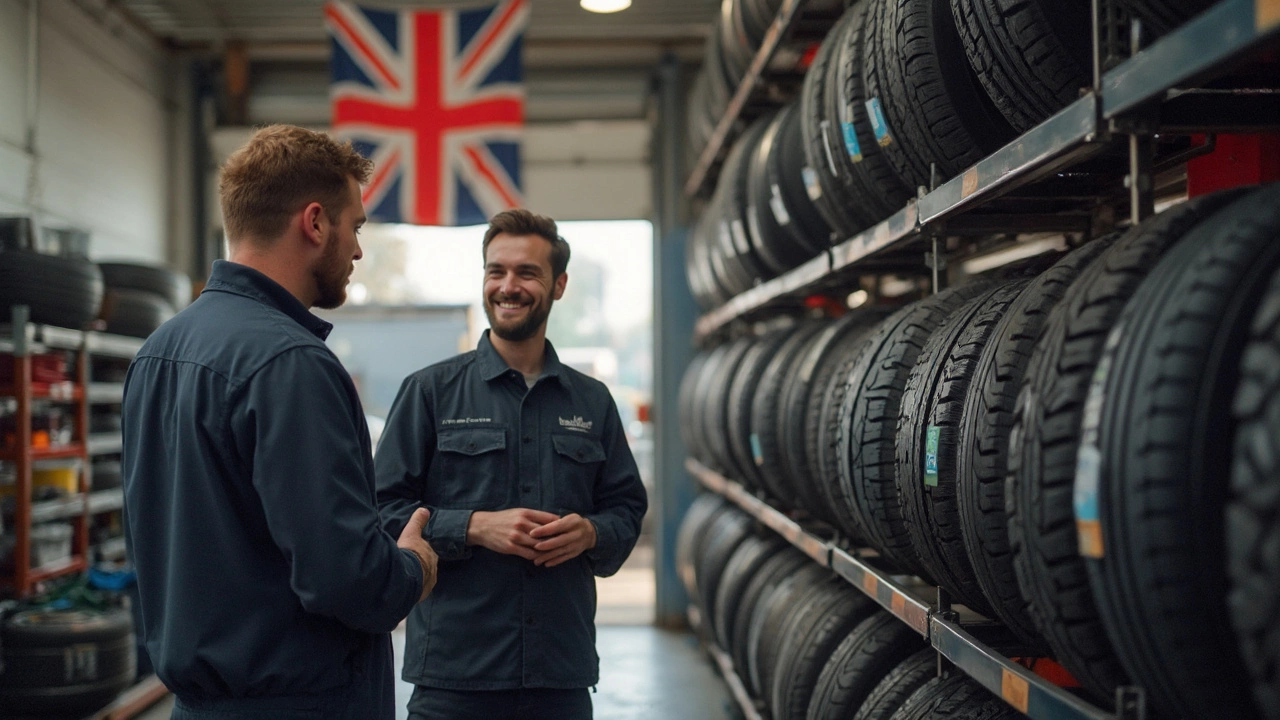
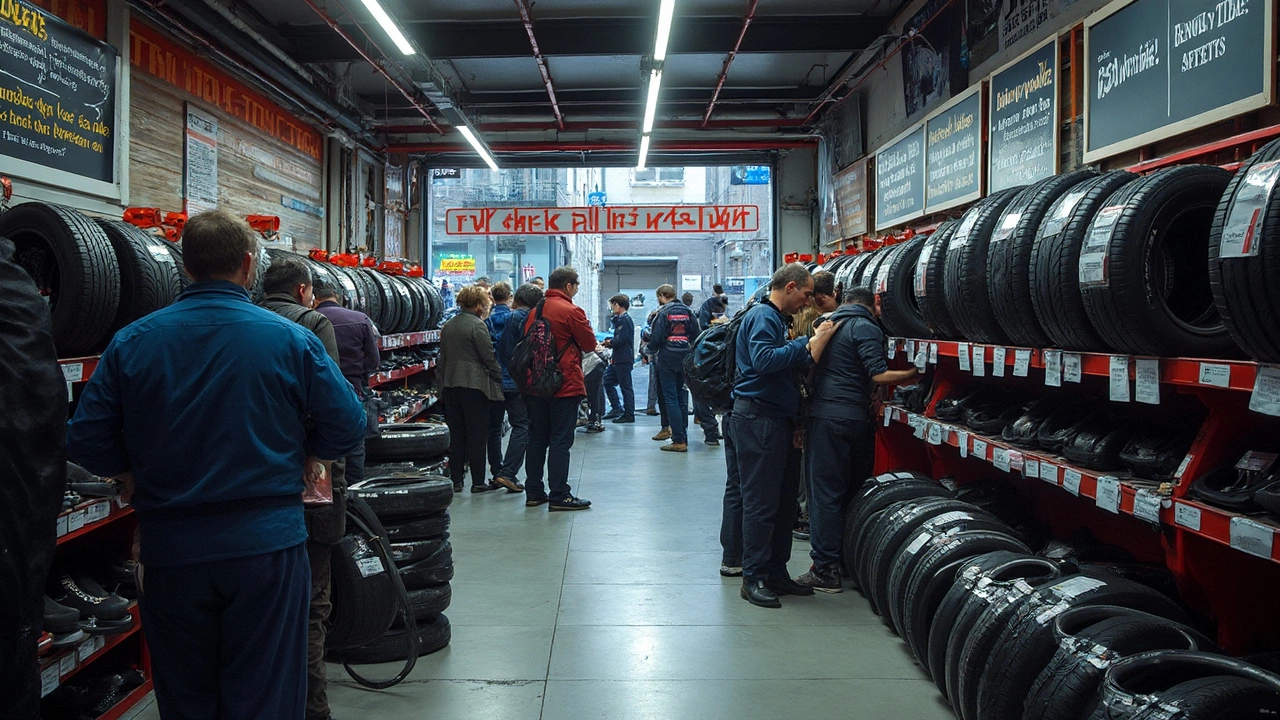
What you’ll find below isn’t just theory. These are real guides from UK drivers who’ve dealt with worn tires, uneven wear, and surprise blowouts. You’ll learn how to check tread depth with a coin, why tire rotation matters, how temperature affects pressure, and what to look for when buying replacements. No fluff. Just what you need to keep your car safe, efficient, and on the road longer.