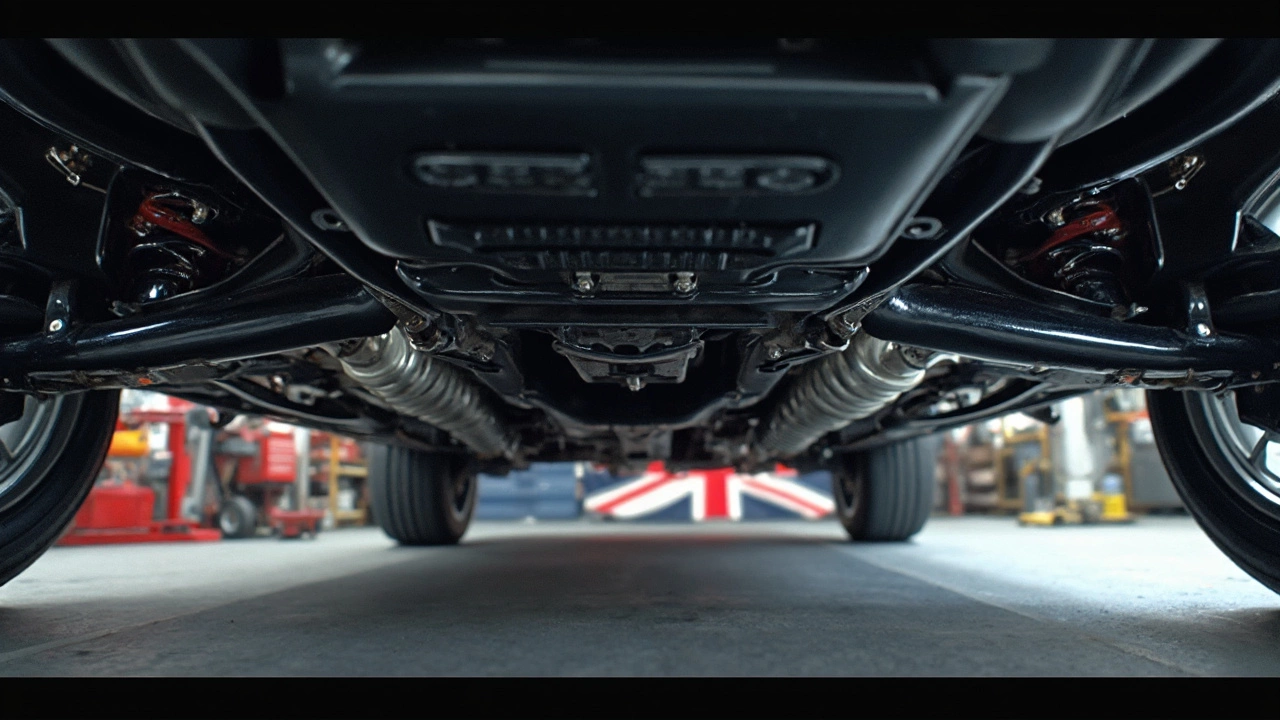
Car Suspension Tips: Fix Bounces, Noise, and Wear Before It Costs You
When your car feels like it’s bouncing over every bump, or the steering wobbles after hitting a pothole, it’s not just annoying—it’s dangerous. Your car suspension, the system that connects your wheels to the chassis and absorbs road shocks. Also known as vehicle suspension, it keeps your tires on the road, helps you stop faster, and keeps the ride smooth. If it’s worn or damaged, you’re not just uncomfortable—you’re risking control, tire wear, and even brake performance.
Many people don’t realize how much suspension affects everything else. Bad struts, shock absorbers that support the weight of the car and control spring movement can make your brakes take longer to stop. A bent suspension, a damaged control arm, tie rod, or strut from an impact throws off your wheel alignment and causes tires to wear on one side. And if you hear clunking or rattling over bumps, it’s not just loose parts—it’s a sign your suspension components are failing.
These aren’t just repair shop problems. They show up in everyday driving: your car pulls to one side, the steering feels loose, or you notice the front dipping when you brake hard. You might think it’s just an old car, but the truth is, suspension parts wear out faster than you think—especially in the UK, where roads are rough and weather is harsh. A strut that lasts 80,000 miles in ideal conditions might need replacing by 50,000 here. And ignoring it doesn’t save money—it makes everything else more expensive. Tires wear out faster. Brakes get overworked. Even your engine can vibrate more if the suspension isn’t holding things steady.
Thankfully, you don’t need a garage to spot the warning signs. You can check for worn struts by pushing down on each corner of the car—if it bounces more than once, they’re done. Look for oil leaks on the shocks. Check tire tread for cupping or uneven wear. Listen for noises when you go over bumps. And if your car feels like it’s floating or swaying in crosswinds, that’s not normal—it’s suspension failure.
This collection of posts gives you the real, no-fluff details: how to tell if your struts are bad, what a bent suspension actually looks like, how suspension problems can mess with your engine, and how to inspect it yourself without spending a fortune. You’ll find step-by-step checks, common mistakes drivers make, and what to do before it turns into a bigger, costlier fix. No theory. No jargon. Just what works on UK roads, right now.