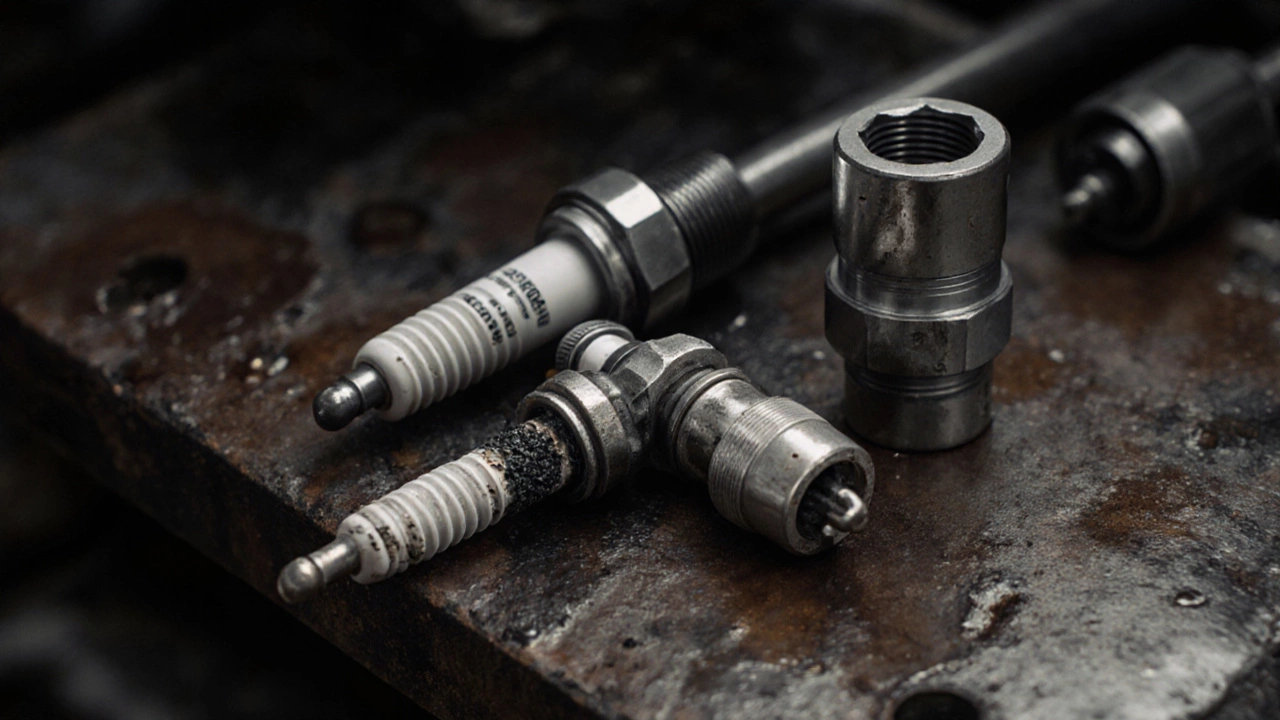
Car Performance: What Boosts Power, Efficiency, and Driving Feel
When we talk about car performance, how well a vehicle accelerates, handles, brakes, and responds to driver input. Also known as vehicle dynamics, it’s not just about horsepower—it’s the balance between engine, transmission, suspension, and braking systems working together. A car might have a powerful engine, but if the brakes fade, the suspension is worn, or the clutch slips, you’re not getting real performance—you’re just paying for potential.
Real car performance starts with the basics: brake pads, the friction material that stops your wheels. Worn pads don’t just make noise—they increase stopping distance and overheat your rotors. Then there’s the exhaust system, how your engine breathes out. A restrictive stock exhaust can rob you of torque, while a well-tuned system improves flow and throttle response. And don’t forget the clutch kit, the link between engine and wheels. A stock clutch can’t handle added power, but a stage 1 upgrade gives you better grip without making your daily drive rough.
Then there’s the suspension, what keeps your tires planted on the road. Bad struts or bent control arms don’t just make your ride bouncy—they change how your brakes work and cause uneven tire wear. A car with great power but poor suspension feels unpredictable, especially in corners or on wet roads. These parts don’t work in isolation. A clogged air filter cuts airflow, which lowers engine efficiency. A failing fuel pump causes hesitation, even if your engine is tuned. And if your radiator is clogged, your engine runs hot, which kills performance fast.
You don’t need a race car to care about performance. If your car feels sluggish, noisy, or unresponsive, it’s not in your head—it’s likely one of these systems. The posts below give you real, no-fluff checks and fixes for exactly these issues. Whether you’re spotting worn brake pads, checking your clutch, or diagnosing suspension problems, you’ll find clear steps to get your car driving like it should. No guesswork. No jargon. Just what works.