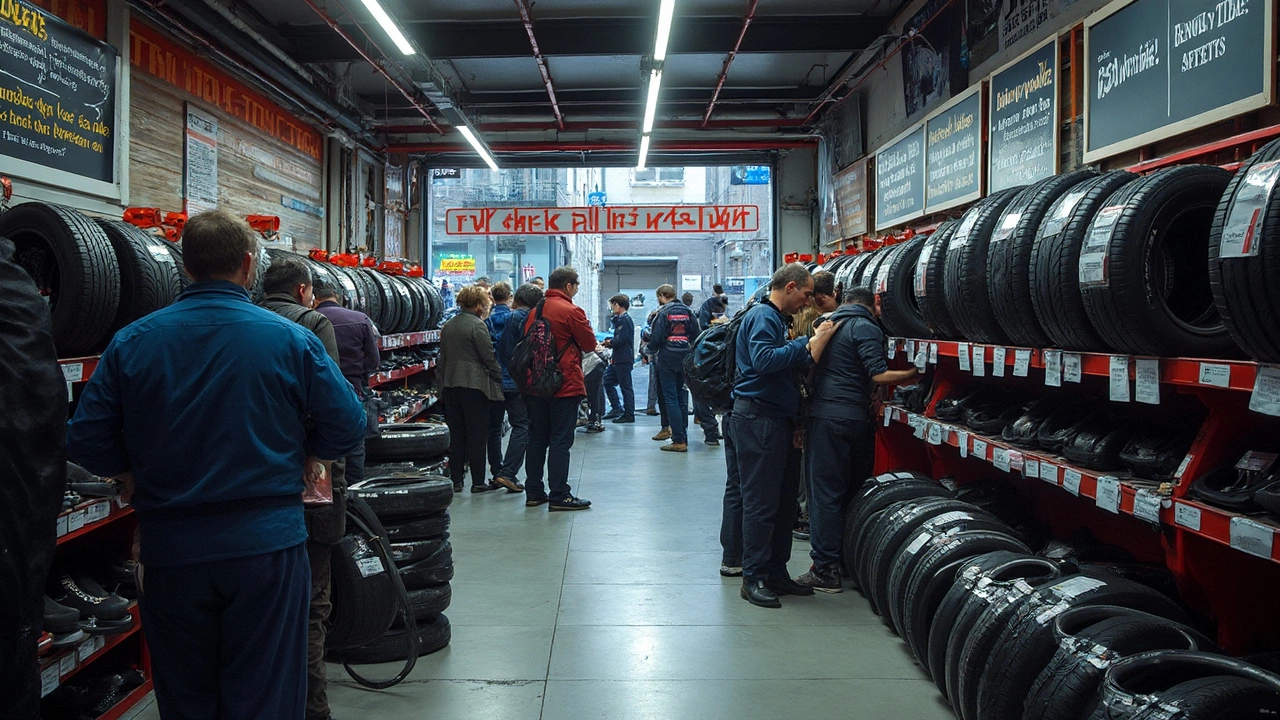
Buying Tires: What to Know Before You Buy
When you’re buying tires, you’re not just swapping rubber—you’re choosing safety, fuel efficiency, and ride comfort. tires, the rubber components that connect your car to the road. Also known as tyres, they’re one of the most critical parts of your vehicle, yet often the most overlooked until something goes wrong. A worn or mismatched tire can mean longer stopping distances, poor handling in rain, or even a blowout. It’s not just about price. It’s about matching the right tire to your driving habits, your car’s weight, and the UK’s wet, uneven roads.
Most tires last between 40,000 and 60,000 miles, but that’s only if you check tire pressure, the amount of air inside the tire that affects grip, wear, and fuel use monthly and rotate them every 6,000 miles. Low pressure causes uneven tire wear, the gradual loss of tread depth from improper inflation, alignment, or driving style, while overinflation makes the center wear out fast. You don’t need a garage to spot problems—just a penny and a ruler. If you can see the top of Lincoln’s head when you stick a penny into the tread, it’s time to replace them. And don’t forget age—even if the tread looks good, tires older than six years can crack and fail.
When you’re buying tires, think about your typical drive. If you mostly do city miles with frequent stops, go for a tire built for grip and quiet ride. If you haul heavy loads or drive on rough country roads, look for reinforced sidewalls. Don’t just grab the cheapest option—cheap tires wear out faster, hurt fuel economy, and can be dangerous in wet weather. Many drivers replace all four at once, but if you’re replacing just two, always put the new ones on the rear. That keeps the car stable if you hydroplane. And always check the load rating and speed code on your door jamb or owner’s manual. Using the wrong ones can void your insurance.
Here’s what you’ll find in the posts below: real-world advice on how long tires last, how to spot early signs of damage, what affects their lifespan, and how to avoid common mistakes when replacing them. No fluff. Just clear, practical tips from drivers who’ve been there—whether you’re buying new tires from an auction, replacing worn ones, or just trying to stretch their life a little longer.