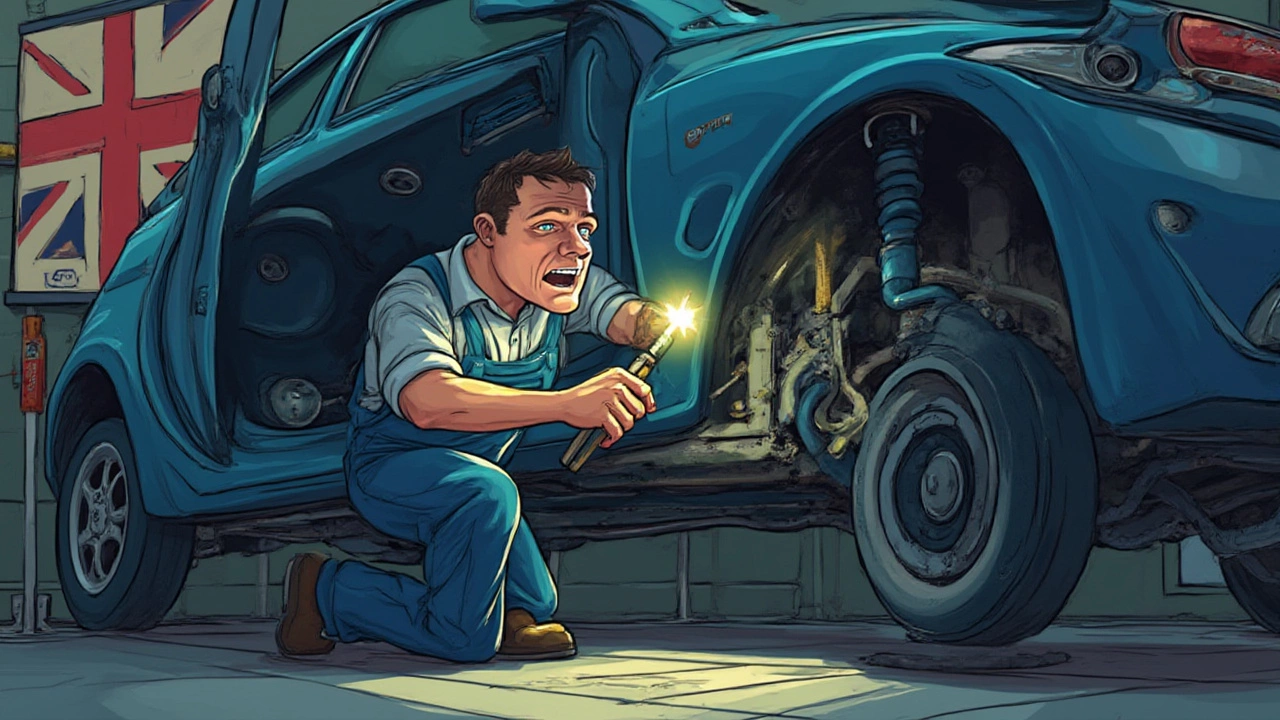
Bumpy Ride? Here’s What’s Really Wrong With Your Car
When your car feels like it’s bouncing over every little bump, you’re not just dealing with an uncomfortable ride—you’re dealing with a bumpy ride, a common symptom of failing suspension components that can compromise safety and control. It’s not normal, and it’s not something to ignore. A smooth ride isn’t a luxury; it’s a sign your car’s suspension is doing its job. When that stops happening, something’s broken, worn out, or misaligned—and it’s usually one of three things: bad struts, worn shocks, or damaged suspension parts.
Take bad struts, a key part of your car’s suspension that absorbs road impact and keeps tires in contact with the pavement. Worn struts cause your car to bounce after hitting a bump, make steering feel loose, and even increase stopping distances. If you notice your car dipping forward when braking or the tires wearing unevenly, those are classic signs. Then there’s worn suspension, the whole system that connects your wheels to the chassis, including control arms, bushings, and ball joints. When these parts wear out, they let your wheels move where they shouldn’t, leading to vibrations, clunking noises, and that dreaded bumpy feel. And don’t forget alignment—misaligned wheels can mimic suspension failure by pulling the car sideways and making the ride feel unstable.
These aren’t just minor annoyances. A failing suspension affects braking, handling, and tire wear. It can turn a simple repair into a major expense if you wait too long. That’s why drivers who notice a bumpy ride early often end up saving hundreds—or even thousands—on tires, brakes, and other parts that get damaged by the extra stress.
The posts below give you real, practical answers to exactly what’s causing your ride to feel off. You’ll find step-by-step guides on checking struts, spotting worn suspension parts, understanding why your car shakes at certain speeds, and how to tell if it’s time for a full replacement. No fluff. No guesswork. Just clear, direct advice from people who’ve been there.