Bad Spark Plugs: Signs, Effects, and What to Do Next
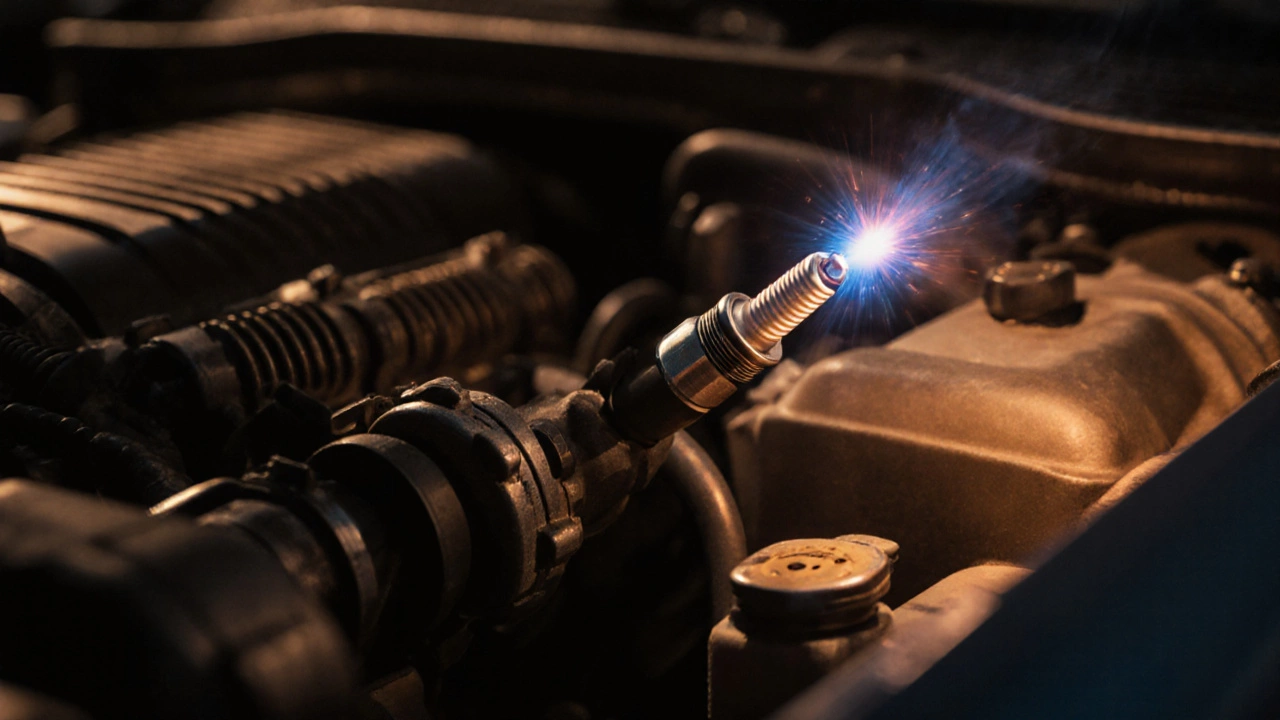
When your car sputters, stalls, or feels like it’s dragging, bad spark plugs, the tiny but critical parts that ignite fuel in your engine. Also known as ignition plugs, they’re one of the most overlooked parts in routine maintenance. If they’re worn, cracked, or fouled, your engine doesn’t just lose power—it starts wasting fuel, emitting more pollution, and risking bigger damage down the line.
Spark plugs don’t last forever. Most last between 30,000 and 100,000 miles, depending on the type. But in the UK’s stop-start traffic and damp conditions, even the best ones can fail sooner. You’ll know something’s wrong when your engine misfires—a sudden jerk or hesitation when accelerating. You might hear a ticking noise from the engine, or your car struggles to start on cold mornings. Fuel economy drops fast. You fill up more often, and the check engine light comes on. These aren’t just annoyances. They’re signs your spark plugs are failing, and your engine is working harder than it should.
Bad spark plugs don’t work alone. They’re tied to other systems. A failing plug can cause engine misfire, a condition where fuel doesn’t ignite properly in one or more cylinders, which strains the catalytic converter. That’s expensive to replace. Poor ignition also means unburned fuel enters the exhaust, which can clog filters and trigger emissions failures. And if you keep driving with bad plugs, you risk damaging the catalytic converter, a key emissions control device that cleans exhaust gases—a repair that costs hundreds, sometimes over a thousand pounds.
It’s not just about replacing them. You need to know why they failed. Oil leaks? Wrong plug type? Short trips that never let the engine fully warm up? All of these can shorten plug life. The posts below walk you through how to spot bad spark plugs without a mechanic, what symptoms to watch for, and how often you really need to change them. You’ll find real-world advice from UK drivers who’ve been there—how to test them with basic tools, which brands last longer in our weather, and when a full engine tune-up might be needed instead of just swapping plugs. No guesswork. No fluff. Just what works.