Auto Repair: Essential Fixes, Signs of Trouble, and DIY Tips for UK Drivers
When your car starts making strange noises, shaking, or losing power, you’re dealing with auto repair, the process of diagnosing and fixing mechanical or electrical problems in a vehicle to restore safety and performance. Also known as car maintenance, it’s not just about fixing broken parts—it’s about catching small issues before they turn into expensive headaches. In the UK, where wet roads, rough surfaces, and stop-start traffic wear down components faster than you’d think, knowing the basics of auto repair can save you hundreds—and maybe even keep you off the side of the road.
One of the most common auto repair needs is checking brake pads, the friction material that presses against the rotors to slow or stop your car. Most drivers don’t realize brake pads can wear down to metal without warning. A high-pitched squeal, longer stopping distances, or a vibrating pedal are red flags. Replacing them yourself is doable with basic tools, and it’s far cheaper than waiting for a mechanic to tell you you’ve damaged the rotors too.
Then there’s the spark plug, a small but critical part that ignites fuel in your engine’s cylinders. If your car hesitates, misfires, or feels sluggish, old spark plugs are often the culprit. They’re cheap, easy to swap, and can boost fuel economy by up to 15%. Skip this simple fix, and you risk fouling your catalytic converter—a repair that costs ten times more.
Your radiator, the component that keeps your engine from overheating by circulating coolant, is another silent killer. A leak, rust buildup, or clogged fins can turn a minor issue into a blown engine in hours. Look for puddles under your car, a rising temperature gauge, or steam from the hood. Most radiators last 8–15 years, but if you drive in heavy traffic or neglect coolant changes, yours could fail much sooner.
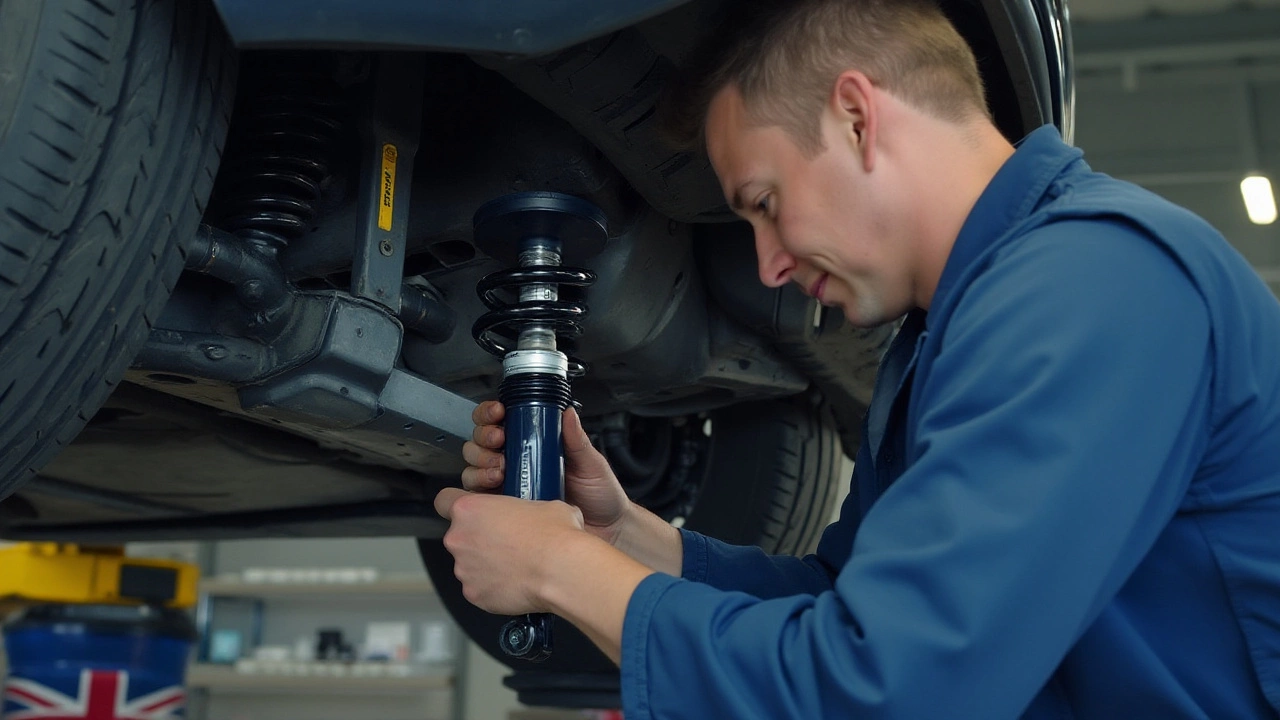
And don’t ignore your suspension, the system that connects your wheels to the chassis and absorbs bumps for a smooth ride. Worn struts or shocks don’t just make your car bounce—they increase braking distance, cause uneven tire wear, and make steering less responsive. If your car feels like it’s floating over bumps or leans hard in corners, it’s time to check it. Suspension problems can even affect your engine’s performance by transferring vibrations through the frame.
Auto repair isn’t about being a mechanic. It’s about being aware. Most of the issues you’ll face—bad air filters, failing fuel pumps, worn wipers—are predictable. They show up with clear signs. You don’t need fancy tools or years of training to spot them. Just know what to look for, check regularly, and act early.
The posts below cover exactly that: real, practical fixes for the problems UK drivers actually face. From how to tell if your brake pads are worn to why your AC isn’t cooling and whether a 2-into-1 exhaust really helps, you’ll find step-by-step guides that cut through the noise. No jargon. No fluff. Just what works.