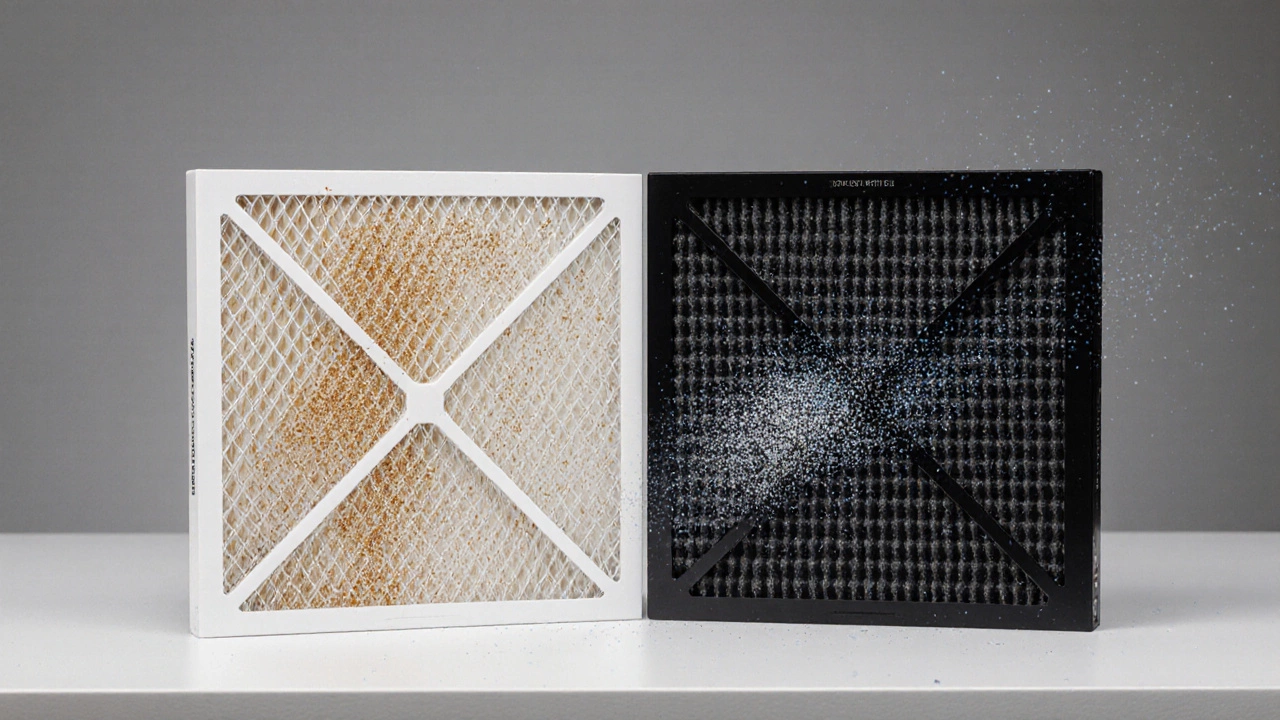
Air Filter Comparison: Find the Best One for Your Car
When your car starts running rough, losing power, or guzzling fuel, the culprit isn’t always the engine—it could be a dirty air filter, a component that traps dirt and debris before they enter your engine or cabin. Also known as engine air filter, it’s one of the simplest parts to check—and one of the most ignored. But not all air filters are the same. There’s the engine air filter, which protects your engine from dust, sand, and debris, and the cabin air filter, which cleans the air you breathe inside the car. Mixing them up or skipping one can hurt performance, air quality, or both.
A clogged engine air filter doesn’t just reduce power—it tricks your car’s computer into burning more fuel to make up for the lack of air. That’s why you see drops in fuel economy, rough idling, or even hard starts. Meanwhile, a dirty cabin air filter makes your AC smell musty, reduces airflow, and can trigger allergies. Both filters need regular checks, but they’re not interchangeable. You can’t use a cabin filter in the engine bay, and swapping an engine filter into the cabin won’t help with pollen or exhaust fumes. The right filter for the right spot matters.
Many drivers think they can go 30,000 miles without changing either filter. That’s a myth. In the UK, with wet roads, dusty country lanes, and heavy city traffic, most filters need replacing every 15,000 to 25,000 miles. If you drive on gravel roads or in heavy traffic, swap them sooner. A visual check takes 30 seconds: hold the filter up to a light. If you can’t see through it, it’s done. No need for fancy tools or a mechanic.
Some aftermarket filters claim to boost performance or last forever. Most don’t. Stock filters are designed for balance—efficiency, cost, and airflow. High-flow filters might sound cool, but unless your car’s tuned, you won’t notice a difference. And reusable filters? They’re messy to clean and often don’t trap fine particles as well as paper ones. Stick with OEM-grade replacements unless you know exactly what you’re doing.
What you’ll find below is a collection of real, practical guides based on what UK drivers actually experience. You’ll see how to spot a failing air filter before your engine starts misfiring, how to pick the right replacement without overpaying, and why a dirty cabin filter can make your AC useless even when it’s blowing cold air. No fluff. No marketing jargon. Just clear, tested advice that matches what’s happening on the road.