Spark Plugs: What They Do, When to Replace Them, and How They Affect Your Car
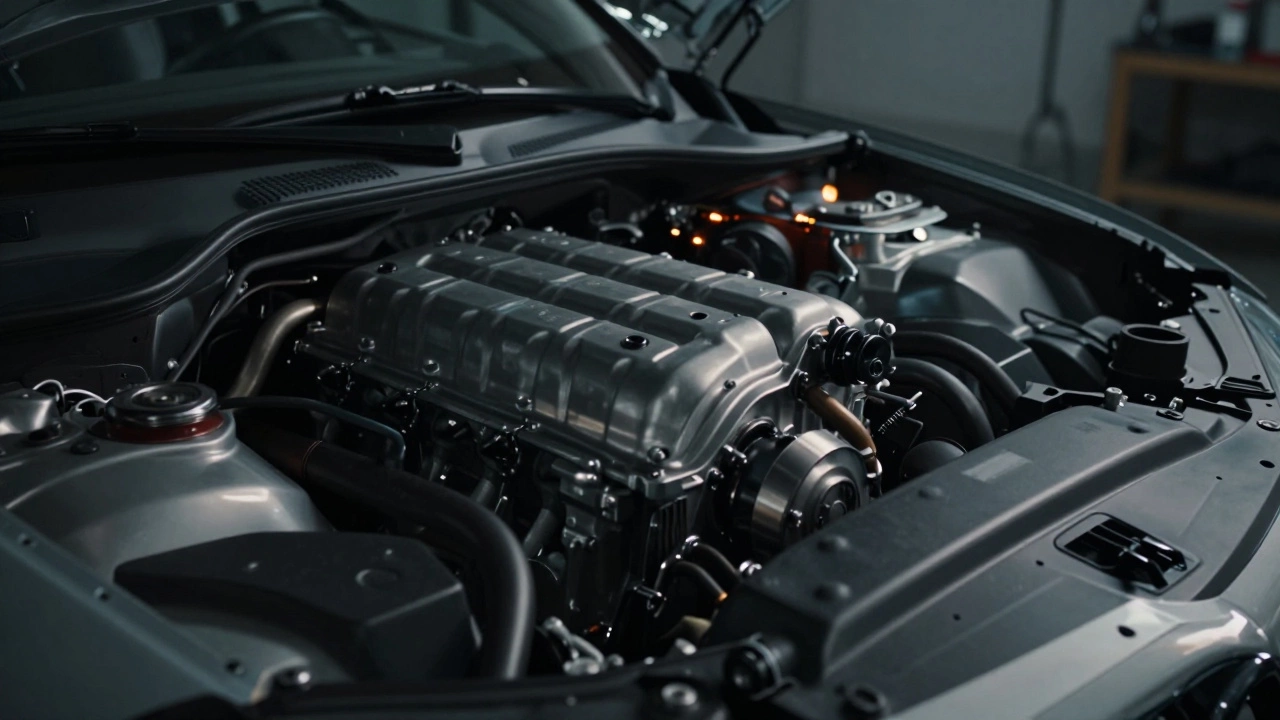
When your car’s engine fires up, it’s the spark plugs, small but critical components that ignite the fuel-air mixture in your engine’s cylinders. Also known as ignition plugs, they’re the reason your engine doesn’t just sit there—these tiny parts turn gasoline into motion. Without them, your car won’t run. Not even for a few feet. And when they start to fail, your engine doesn’t just get weaker—it starts sending warning signs you can’t afford to ignore.
Bad spark plugs, the ignition components that create the spark to ignite fuel in the engine cause engine misfires, a condition where the fuel doesn’t ignite properly, leading to rough running and lost power. That’s when you feel the car shudder at idle, hear a popping sound from the exhaust, or notice your gas mileage dropping suddenly. And it’s not just about performance. Driving with worn plugs can overheat your catalytic converter, an emissions control device that can be destroyed by unburned fuel from faulty spark plugs, costing you over $1,000 to replace. Most people don’t realize that spark plugs don’t last forever—even if your car runs fine, they’re still wearing down inside the cylinder. Modern ones might last 60,000 to 100,000 miles, but that’s not a free pass. Heat, carbon buildup, and oil leaks all eat away at them quietly.
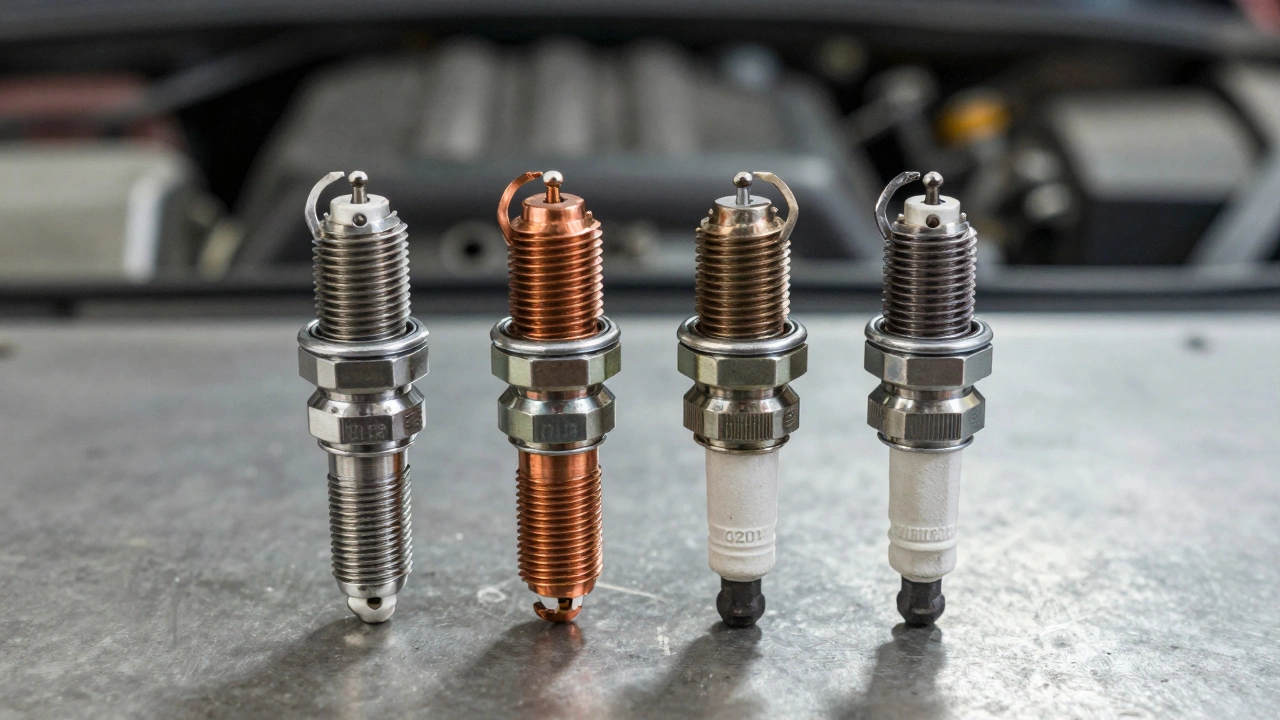
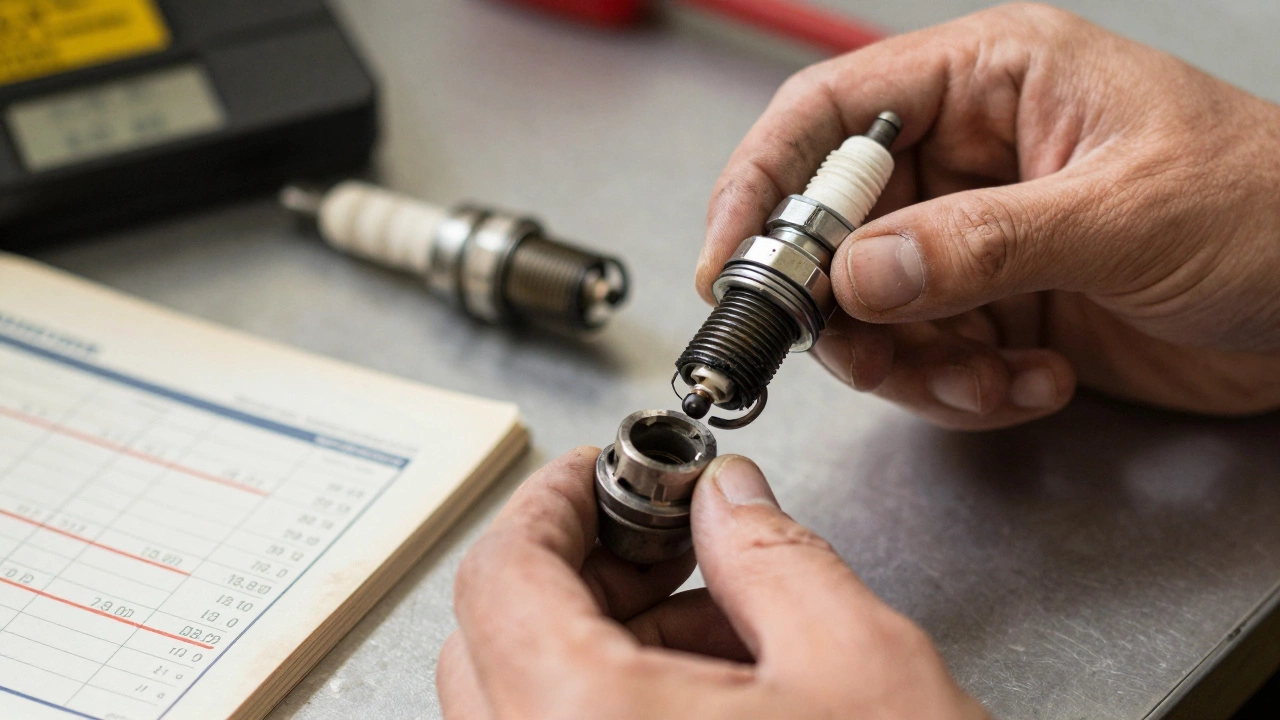
Some folks think upgrading to expensive iridium or platinum plugs will add horsepower. It won’t—if your old ones were still working fine. But if they’re worn out? Replacing them can bring back lost power, improve throttle response, and save you money on fuel. It’s not a performance mod—it’s maintenance. And it’s one of the easiest jobs you can do yourself. Most cars need nothing more than a socket, an extension, and a little patience. You don’t need a garage or a mechanic’s license. Just the right plugs and the know-how to put them in.
Below, you’ll find real answers to the questions people actually ask: How do you know your plugs are bad? Can you drive with them like that? Do they really make a difference if nothing feels wrong? We’ve pulled together the most practical, no-fluff guides from drivers who’ve been there—so you don’t have to guess, waste time, or pay for repairs that could’ve been avoided.